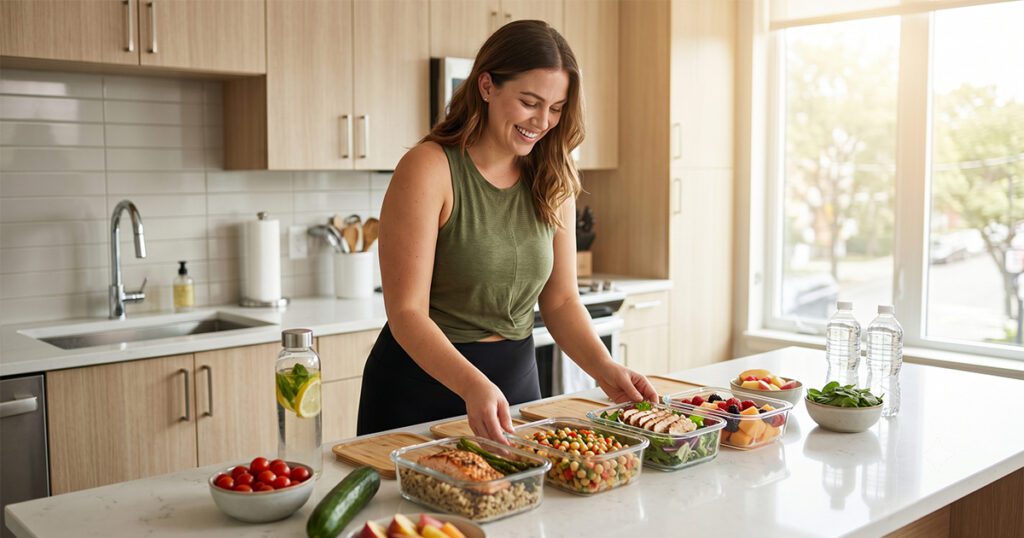
Trust matters more than ever in digital healthcare. As telehealth continues to grow, many people want reassurance that the care they choose feels credible, supportive, and realistic. That is why real patient stories build confidence in modern care. They help people better understand what provider-guided wellness support actually looks like, especially when preparing for summer routines, recovery goals, and long-term lifestyle changes.
Modern telehealth is changing how people approach wellness, weight management, metabolic health, and recovery support. Real patient stories help reduce uncertainty by showing how everyday people navigate their wellness journeys with realistic expectations, provider guidance, and sustainable habits instead of extreme approaches.
As summer approaches and events like Cinco de Mayo encourage more social gatherings, vacations, and celebrations, many people start thinking about confidence, energy, recovery, and wellness goals. The focus is shifting away from crash diets and toward sustainable wellness strategies that fit real life.
Trust Is the New Differentiator in Telehealth
The rapid growth of telehealth has created more options than ever before. While convenience matters, trust often becomes the deciding factor for patients choosing a wellness provider.
People want to know:
- Are the providers legitimate?
- Is the care personalized?
- Are treatment plans medically supervised?
- Do real people actually feel supported?
This is where authentic patient experiences become valuable. Testimonials help potential patients better understand how modern wellness programs may fit into their lifestyles and goals.
Why People Value Real Experiences
Healthcare decisions can feel overwhelming. Between social media trends, influencer advice, and conflicting wellness information, many people experience decision fatigue before they even begin.
Real patient stories help simplify the process by showing:
- realistic wellness journeys
- sustainable lifestyle changes
- provider communication experiences
- practical expectations
- balanced approaches to wellness support
Instead of focusing on hype, credible testimonials often highlight consistency, education, and long-term habits.
What Makes Testimonials Credible?
Not all testimonials carry the same level of trust. Today’s consumers are more informed and more cautious about exaggerated wellness marketing.
Authentic healthcare testimonials typically feel:
- specific instead of vague
- balanced instead of overly dramatic
- educational instead of promotional
- realistic instead of exaggerated
People tend to trust stories that sound natural and relatable.
Credibility Comes From Transparency
Strong patient stories usually include honest discussions about:
- lifestyle adjustments
- provider communication
- routine-building
- gradual progress
- consistency over perfection
This type of transparency helps readers understand that wellness is rarely about quick fixes.
For example, someone preparing for summer travel may discuss improving hydration, sleep consistency, meal planning, or energy support instead of chasing unrealistic transformations in a short period of time.
That realistic perspective often feels far more trustworthy than aggressive marketing language.
Provider Guidance Matters
One major reason telehealth continues to grow is accessibility. However, patients still want reassurance that treatments are medically supervised and personalized.
Whether discussing GLP-1 medications, peptides, metabolic health support, or NAD+ therapies, provider involvement helps build confidence.
A medically guided wellness plan may include:
| Wellness Area | Provider-Guided Focus |
|---|---|
| Metabolic Health | Lifestyle habits and individualized support |
| GLP-1 Support | Nutrition, consistency, and realistic expectations |
| NAD+ Wellness Support | Energy and recovery discussions |
| Recovery Optimization | Sleep, hydration, and sustainable routines |
| Long-Term Wellness | Habit-building and ongoing monitoring |
Patients often feel more comfortable when they understand there is professional oversight throughout the process.
Personalized Compounded GLP-1
Looking for Semaglutide or Tirzepatide? Start your free assessment now!
How Real Stories Reduce Decision Fatigue
Many people delay wellness decisions because there is simply too much information online.
Social media can create unrealistic expectations around:
- rapid body changes
- extreme dieting
- wellness shortcuts
- overnight transformations
Real patient stories help counter that noise.
Sustainable Habits Over Extreme Approaches
Summer wellness conversations often become filled with pressure. People may feel tempted to try restrictive programs or aggressive routines before vacations, beach trips, or holiday events.
However, sustainable habits usually create a healthier long-term approach.
Real stories frequently emphasize:
- building routines gradually
- improving hydration
- prioritizing sleep
- increasing movement consistency
- focusing on energy and wellness support
This approach aligns better with modern wellness goals than short-term crash dieting.
Summer Confidence Looks Different for Everyone
Confidence is not one-size-fits-all. For some people, summer preparation may mean improving energy levels. For others, it may involve feeling more consistent with nutrition habits or building a healthier routine before travel season.
Patient testimonials often remind readers that wellness goals can be personal and flexible.
Instead of perfection, many people are simply looking for:
- more structure
- more support
- better consistency
- improved daily habits
- realistic wellness guidance
That perspective feels more achievable and sustainable.

Pairing Social Proof With Clinical Legitimacy
Social proof can help people feel more comfortable exploring telehealth options, but clinical legitimacy remains essential.
The strongest wellness brands balance both.
Why Clinical Oversight Matters
Modern wellness conversations often include treatments such as:
- GLP-1 medications
- peptide therapies
- NAD+ support
- metabolic health programs
These topics can become confusing when discussed without medical context.
A provider-guided approach helps patients better understand:
- how treatments generally work
- whether options may align with their goals
- realistic timelines
- possible lifestyle adjustments
- the importance of ongoing monitoring
This balance between education and support helps create a more trustworthy patient experience.
Understanding NAD+ Wellness Support
NAD+ is a naturally occurring coenzyme involved in cellular energy production and metabolic processes. Wellness discussions around NAD+ often focus on energy support, recovery, and healthy aging support.
Some patients explore NAD+ support as part of broader wellness routines that also include:
- sleep improvement
- hydration consistency
- balanced nutrition
- movement habits
- recovery-focused routines
Provider guidance helps ensure these conversations remain medically responsible and personalized.
Celebrating Culture Without Losing Wellness Balance
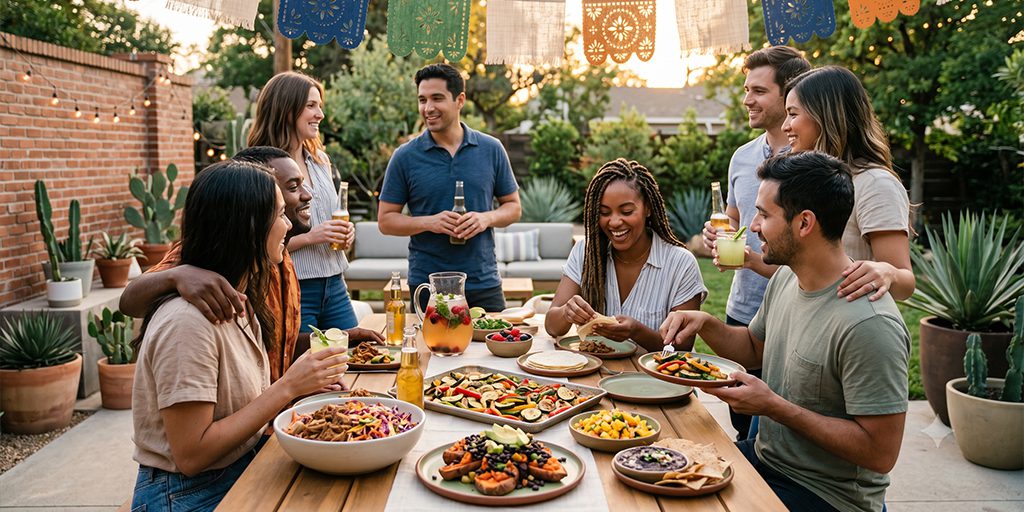
Cinco de Mayo often brings social events, restaurant outings, travel, and celebrations with friends and family.
Modern wellness is not about avoiding life experiences. Instead, many people are learning how to enjoy celebrations while maintaining sustainable routines.
Wellness and Celebration Can Coexist
Healthy routines do not require perfection.
Many patients are moving away from all-or-nothing thinking and instead focusing on balance.
That may include:
- staying hydrated during social events
- prioritizing recovery after busy weekends
- returning to routines without guilt
- avoiding the “start over Monday” mindset
This mindset shift often supports more sustainable long-term wellness habits.
Recovery Matters More Than Perfection
After holidays, vacations, or social weekends, many people feel pressure to “undo” indulgences quickly.
However, wellness recovery strategies are often more productive than extreme restriction.
Helpful recovery habits may include:
- improving sleep consistency
- increasing water intake
- returning to regular meal patterns
- focusing on movement
- supporting overall energy and recovery
This balanced approach tends to feel more realistic and sustainable.
Why Trust Continues To Shape Modern Telehealth
As telehealth evolves, trust continues to become one of the most important parts of the patient experience.
Patients want:
- transparency
- provider communication
- realistic expectations
- educational support
- authentic experiences
Real patient stories help humanize modern healthcare.
Instead of polished marketing alone, testimonials allow people to better understand how wellness support fits into real life, real schedules, and real routines.
That authenticity often becomes the difference between curiosity and confidence.
Frequently Asked Questions
Why do patient testimonials matter in telehealth?
Patient testimonials help people better understand real experiences with provider-guided wellness care. They often provide insight into communication, support, lifestyle changes, and realistic expectations that may not come across in standard marketing materials.
Are telehealth wellness programs medically supervised?
Many telehealth wellness programs include licensed healthcare providers who help guide treatment plans, monitor progress, and provide personalized recommendations based on individual wellness goals and medical history.
What are sustainable wellness habits for summer preparation?
Sustainable wellness habits may include hydration, balanced nutrition, consistent sleep, regular movement, and recovery-focused routines. Many people are moving away from extreme dieting and toward long-term lifestyle consistency.
How does NAD+ fit into wellness discussions?
NAD+ is commonly discussed in wellness and longevity conversations because of its role in cellular energy production. Some individuals explore provider-guided NAD+ support as part of broader recovery and wellness routines.
Why is trust important in modern telehealth?
Trust helps patients feel more confident when exploring healthcare options online. Transparency, provider oversight, patient education, and authentic testimonials all contribute to a more credible telehealth experience.
Conclusion
Modern wellness is becoming more realistic, personalized, and sustainable. Instead of chasing extremes, many people are looking for trustworthy care, balanced routines, and provider-guided support that fits their real lives.
Authentic patient stories help create that confidence. They offer reassurance, reduce uncertainty, and help people better understand what modern telehealth wellness support can actually look like.
See what TRAVA patients are saying through real experiences, real support, and realistic wellness journeys designed around sustainable care.
Disclaimer: TRAVA is not affiliated with, Mounjaro, Ozempic, Rybelsus, Saxenda, Trulicity, Wegovy, or Zepbound. However, we do offer alternatives such as Semaglutide and Tirzepatide. Before beginning any treatment, it's essential to consult with a licensed healthcare provider to ensure the best approach for your individual health needs.