
Starting prescription tretinoin can raise a lot of questions, especially when skin looks or feels different during the early adjustment period. Tretinoin Purging vs. Irritation: How to Tell the Difference is an important topic because breakouts, dryness, redness, and sensitivity can overlap. The goal is not to diagnose your skin from a photo or a checklist. It is to recognize patterns, protect the skin barrier, and know when to bring changes to your prescribing provider.
Tretinoin is prescription skincare, so the best routine is one that is based on your individual skin, treatment goals, and provider guidance. Some people notice temporary changes as their skin adjusts, while others develop irritation that may require a conversation about the routine. Neither situation should be treated as proof that the medication is "working" or "failing."
Quick Answer
Tretinoin purging usually refers to a temporary increase in breakouts during the adjustment period, often in areas where acne already tends to appear. Irritation is more likely to involve persistent burning, stinging, tenderness, redness, or uncomfortable peeling. The two can overlap, so a licensed provider is the best person to review worsening, severe, or persistent symptoms and help you decide what to do next.
Key Takeaways
- Purging usually describes temporary breakout activity, while irritation more often involves discomfort, redness, sensitivity, or excessive peeling.
- Location and symptom pattern can offer clues, but they cannot confirm the cause on their own.
- Gentle cleansing, moisturizer, and daily sun protection are important parts of a tretinoin routine.
- Adding multiple strong skincare products at once can make it harder to understand what is irritating the skin.
- Persistent, severe, or rapidly worsening symptoms deserve provider guidance rather than guesswork.
- Tretinoin results take time, and realistic expectations are more useful than chasing an instant transformation.
Personalized Compounded Tretinoin
Looking for anti-aging solutions? Start your free assessment now!
Tretinoin Purging vs Irritation How to Tell the Difference in Practice
The word "purging" is commonly used to describe an increase in visible breakouts after starting a product that changes how quickly skin cells turn over. With tretinoin, someone may notice more blemishes during the early adjustment period, especially in areas where breakouts already happen.
Irritation is different. It refers more to the skin becoming overly reactive or uncomfortable. Burning, stinging, persistent redness, tenderness, or significant peeling can be signs that the skin barrier is struggling. Irritation may also make products that normally feel comfortable suddenly sting.
The challenge is that a person can have breakouts and irritation at the same time. A cluster of pimples does not automatically mean purging, and peeling does not automatically mean the routine is dangerous. Context matters, which is why provider guidance is useful when the pattern is unclear.
What Tretinoin Purging May Look Like
A possible purging pattern is usually discussed in terms of where the breakouts appear and what the skin was already doing before treatment. If acne commonly develops on the chin or cheeks, a temporary increase in blemishes in those same areas may fit the pattern people describe as purging.
That does not mean every new breakout should be ignored. Acne can fluctuate for many reasons, and a new pattern can have more than one explanation. It is also possible for a routine to become too irritating while breakouts are changing.
Instead of trying to label every spot, it can help to track the overall pattern. Note where breakouts occur, whether discomfort is increasing, whether the skin is becoming more sensitive, and whether the routine has recently changed. This information can make a provider conversation more useful.

What Tretinoin Irritation May Look Like
Irritation tends to be more about how the skin feels as well as how it looks. Persistent stinging, burning, tenderness, pronounced redness, uncomfortable tightness, or peeling that feels difficult to manage may point toward an irritated barrier.
The location can also be informative. If sensitivity appears in areas that do not normally break out, or the entire face feels unusually reactive, that may be a reason to look beyond the idea of purging. Eye corners, the sides of the nose, and the mouth area can also be naturally more sensitive, so product placement and routine details matter.
A provider can help determine whether a symptom pattern is expected, whether another product may be contributing, or whether the treatment plan needs to be reviewed. Avoid assuming that stronger irritation means faster or better results.
Why the Skin Barrier Matters With Prescription Tretinoin
A healthy skin barrier helps the skin retain moisture and tolerate everyday exposures. Tretinoin can be an effective prescription skincare option for appropriate patients, but the surrounding routine still matters.
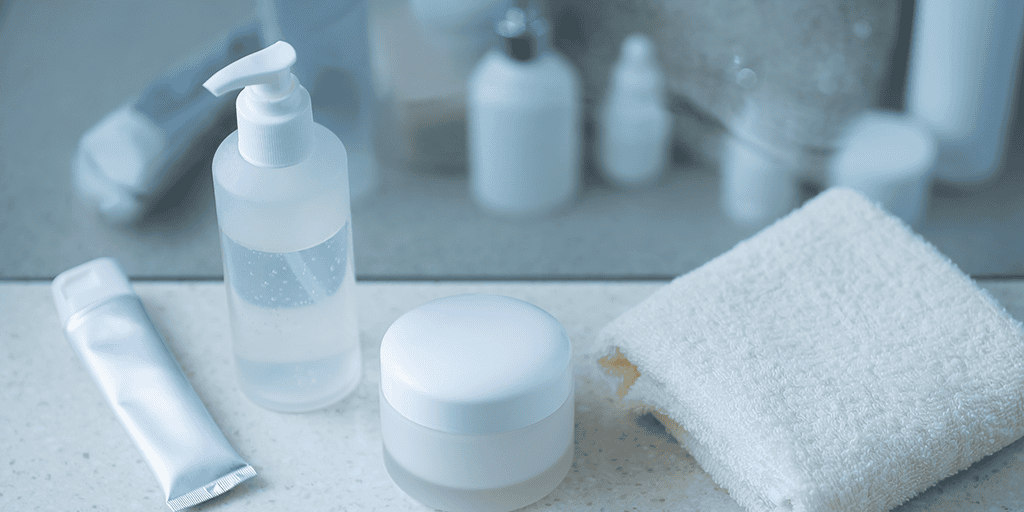
A simple routine is often easier to evaluate than a complicated one. Gentle cleansing, a moisturizer that your skin tolerates, and broad-spectrum sunscreen can provide a practical foundation. If several exfoliating acids, scrubs, strong acne products, or fragranced products are added at the same time, it may become difficult to identify what is driving sensitivity.
Barrier support is not about making tretinoin "stronger" or "weaker." It is about creating a routine that is more comfortable and sustainable under provider guidance. If irritation is making it hard to continue the prescribed plan, that is useful information to share with your provider.
Sun Protection Is Part of the Routine
Daily sun protection is especially important when using prescription skincare. Tretinoin routines are often paired with guidance about sunscreen because protecting the skin from ultraviolet exposure supports a responsible skincare plan and helps reduce avoidable irritation from sun exposure.
A sunscreen only helps if it is used consistently and comfortably. Choose a product you are willing to apply as directed on its label, and remember that hats, shade, and other sun-protective habits can also be part of the routine.
If your skin becomes so sensitive that your usual sunscreen burns or stings, mention that to your provider. It can be another clue that the barrier needs attention.
How Long Does Tretinoin Purging Last?
There is no single timeline that applies to everyone. Skin condition, treatment goals, the prescribed plan, other skincare products, and individual tolerance can all affect what the adjustment period looks like.
Rather than relying on a social media countdown, focus on whether the overall pattern is improving, stable, or becoming more uncomfortable. If breakouts or irritation continue to worsen, feel severe, or raise concerns, contact the prescribing provider for individualized guidance.
The same principle applies to results. Prescription tretinoin is not an instant skin transformation. Improvements in acne, texture, uneven tone, or signs of aging are generally discussed as gradual goals, and the appropriate expectations depend on why tretinoin was prescribed.
When Irritation Is Worth a Provider Conversation
You do not need to wait until skin feels unbearable to ask a question. A provider conversation is appropriate whenever symptoms are confusing, persistent, increasingly uncomfortable, or difficult to manage within the prescribed routine.
Seek prompt medical guidance for severe swelling, blistering, intense pain, rapidly worsening symptoms, or other reactions that feel significant or concerning. If symptoms affect the eyes, lips, breathing, or otherwise seem urgent, seek appropriate urgent medical care.
For less severe concerns, a provider can review how you are using the medication, what other products are in your routine, and what symptoms you are experiencing. That is safer than copying another person's tretinoin schedule or making repeated changes based on social media advice.
Common Routine Mistakes That Can Make the Picture Less Clear
One common problem is changing too many things at once. Starting tretinoin, adding an exfoliating toner, switching cleanser, trying a strong acne treatment, and changing moisturizer in the same week creates several variables. If irritation develops, it becomes harder to know what contributed.
Another mistake is treating visible peeling as a goal. More peeling does not automatically mean better results. A successful prescription skincare routine should be based on the treatment plan and your provider's guidance, not on trying to create the strongest possible reaction.
Finally, avoid comparing your skin day by day with highly edited before-and-after content. Lighting, makeup, filters, timing, and individual skin differences can make those comparisons misleading. Progress is better discussed using realistic goals and consistent follow-up.
Questions to Ask Your Provider
- Does my current pattern look more consistent with expected adjustment, irritation, or something else?
- Are any of my cleansers, exfoliants, acne products, or cosmetic products likely to be making sensitivity worse?
- What barrier-support products make sense with my prescribed routine?
- What changes should prompt me to contact you sooner?
- What should realistic progress look like for the reason tretinoin was prescribed?
- How should sun protection fit into my daily skincare routine?
- When should we reassess whether the current treatment plan is still appropriate?
FAQs
Can tretinoin purging and irritation happen at the same time?
Yes, the patterns can overlap. Someone may notice more breakouts while also developing dryness or sensitivity. That is why a single symptom is not enough to identify what is happening. If discomfort is increasing or the pattern is difficult to interpret, the prescribing provider can review the whole routine and help determine whether changes are needed.
Is peeling proof that tretinoin is working?
No. Peeling is not a scorecard for effectiveness, and more peeling does not mean faster results. Some dryness can occur during an adjustment period, but uncomfortable or persistent peeling may be a sign that the skin barrier needs attention. Your provider can help you distinguish a manageable adjustment from irritation that deserves a treatment review.
Should I add more acne products if I start breaking out?
Not automatically. Adding several active products at once can increase irritation and make it harder to understand what your skin is reacting to. Because tretinoin is prescription skincare, it is better to review new products with your provider and keep the routine simple enough that changes can be evaluated clearly.
When should I contact my provider about tretinoin irritation?
Contact your provider when redness, burning, stinging, tenderness, peeling, or breakouts are persistent, worsening, difficult to manage, or simply concerning to you. More severe symptoms, such as significant swelling, blistering, intense pain, or an urgent reaction, warrant prompt medical attention. Individual guidance is more reliable than trying to match your symptoms to someone else's experience.
Does tretinoin work the same way for every skin type?
No. Skin sensitivity, acne patterns, treatment goals, other products, and individual health factors can all affect the experience. Tretinoin is not right for every person or every situation. A licensed provider can determine whether it is appropriate and help set expectations that fit your skin and the reason it was prescribed.
Conclusion
Tretinoin Purging vs. Irritation: How to Tell the Difference comes down to patterns, comfort, and context. Breakouts in familiar acne-prone areas may fit what people call purging, while persistent burning, stinging, tenderness, redness, or uncomfortable peeling can point more toward irritation. The two can overlap, so there is no perfect at-home test.
A simple barrier-supportive routine, consistent sun protection, and realistic expectations can make prescription skincare easier to manage. If you are considering tretinoin or have questions about how your skin is responding, TRAVA can help you learn more about provider-guided prescription skincare and discuss the next steps with a licensed provider.
Disclaimer: TRAVA is not affiliated with, Mounjaro, Ozempic, Rybelsus, Saxenda, Trulicity, Wegovy, or Zepbound. However, we do offer alternatives such as Semaglutide and Tirzepatide. Before beginning any treatment, it's essential to consult with a licensed healthcare provider to ensure the best approach for your individual health needs.