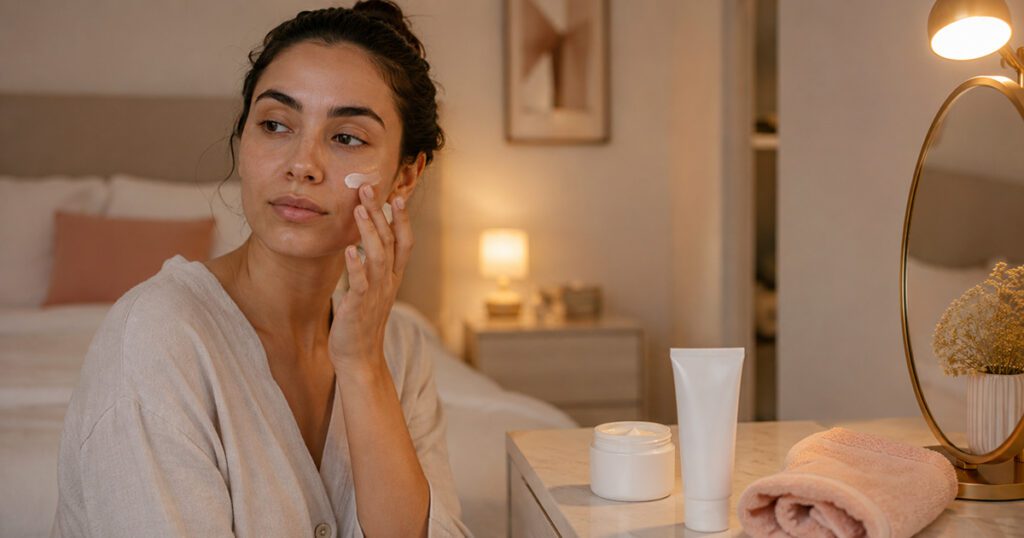
Tretinoin 101: How to Start Without Overdoing It is a practical guide for anyone curious about prescription skincare but unsure how to begin. Tretinoin can be a powerful option for acne, uneven texture, and visible signs of aging, but the smartest approach is usually slow, steady, and guided by a provider.
Tretinoin is a prescription topical retinoid often used for acne and skin renewal. It works by supporting skin cell turnover, which can help with clogged pores, texture, and long-term skin appearance. Because it may cause dryness, redness, peeling, or sun sensitivity, many people do best when they start gradually and protect their skin barrier.
What Is Tretinoin?
Tretinoin is a form of retinoid, a class of vitamin A-related compounds used in dermatology. Topical tretinoin is commonly prescribed for acne vulgaris and may also be used by providers for other skin concerns when appropriate. DailyMed notes that tretinoin cream is used for topical treatment of acne vulgaris and is available in several strengths, including 0.025%, 0.05%, and 0.1%.
In skincare, tretinoin is often discussed because it can help support skin turnover. In plain English, that means it helps the skin shed and renew more efficiently. This can be helpful when clogged pores, rough texture, dullness, or uneven-looking skin are part of the concern.
Tretinoin is not the same as an over-the-counter retinol. Retinol products can be easier to access, but tretinoin is prescription strength. That is why provider guidance matters, especially for people with sensitive skin, active irritation, pregnancy considerations, or other skincare medications already in use.
What Tretinoin Is Commonly Used For
Tretinoin is best known for acne support, but many people also ask about it because of skin texture, fine lines, and overall skin renewal.
Acne and clogged pores
Tretinoin may help reduce the buildup that can contribute to clogged pores. DailyMed explains that topical tretinoin is believed to reduce the stickiness of follicular epithelial cells and increase turnover, which can help move comedones out of the skin.
This is one reason tretinoin is often part of a long-term acne plan. It is not a spot treatment for one pimple overnight. It is usually used as a consistent routine-based medication.
Skin texture and tone
Because tretinoin supports turnover, it may help skin feel smoother over time. For some patients, this can make the skin look more even and refined.
That said, the early phase can feel like the opposite. Dryness, flaking, redness, or a tight feeling can happen when the skin is adjusting. The goal is not to push through severe irritation. The goal is to find a rhythm the skin can tolerate.
Fine lines and visible signs of aging
Tretinoin is often discussed in anti-aging skincare because skin renewal slows with time. A provider may consider it when someone wants to support smoother-looking skin, improved texture, and a more consistent routine.
Still, results should be framed realistically. Tretinoin does not create an overnight transformation. It works gradually, and the skin needs time to adjust.
Personalized Compounded Tretinoin
Looking for anti-aging solutions? Start your free assessment now!
Why Tretinoin Can Cause Irritation
Tretinoin can be exciting, especially when someone has heard great things about it. But starting too aggressively is one of the most common reasons people give up early.
Irritation can happen because tretinoin changes how quickly skin cells turn over. During the adjustment period, the skin barrier may feel more sensitive. That can lead to:
- Dryness
- Redness
- Peeling
- Stinging
- Tightness
- Flaking
- Temporary worsening of irritation
DailyMed notes that topical tretinoin may cause severe local redness and peeling, and that patients may need to use it less frequently, pause temporarily, or discontinue if irritation warrants.
That does not mean tretinoin is bad. It means the routine needs to respect the skin barrier.
How to Start Tretinoin Without Overdoing It
The best tretinoin routine is not always the most intense routine. For many people, the best routine is the one they can follow consistently without constant irritation.
Start low and slow
A provider may recommend starting with a lower strength or using tretinoin less often at first. Some people begin every other night or a few nights per week, depending on their skin and provider instructions. DailyMed notes that a physician may advise sensitive patients to start by applying tretinoin every other night.
This gives the skin time to adapt. More is not always better. Applying too much or using it too often can increase redness, peeling, and discomfort without speeding up results.
Use only a small amount
Tretinoin is usually applied in a thin layer. A common mistake is treating it like a moisturizer and using too much product.
A small amount can often cover the treatment area. Patients should follow the exact directions provided by their clinician or pharmacy label.
Apply to dry skin
Applying tretinoin to damp skin may increase irritation for some people. DailyMed patient instructions recommend washing gently, drying the skin, and waiting 20 to 30 minutes before applying tretinoin cream.
This simple step can make a big difference for sensitive skin.
Keep the rest of the routine simple
When starting tretinoin, it is usually smart to simplify. Harsh scrubs, strong exfoliating acids, alcohol-heavy toners, and too many active ingredients may increase irritation.
A basic routine may include:
- Gentle cleanser
- Moisturizer
- Tretinoin as directed
- Daily sunscreen
- Barrier-supportive products if recommended
DailyMed advises caution with medicated or abrasive cleansers, drying cosmetics, alcohol-heavy products, astringents, and certain other acne ingredients because they may increase irritation when used with tretinoin.
Tretinoin and Sun Protection
Sun protection is not optional with tretinoin. It is part of using it responsibly.
DailyMed states that tretinoin therapy may make skin more susceptible to sunburn and that unprotected exposure to natural or artificial sunlight should be minimized. It also recommends sunscreen and protective clothing when sun exposure cannot be avoided.
This matters because irritated or newly sensitive skin may react more strongly to sunlight. A good tretinoin plan should include morning sunscreen, sun-aware habits, and avoiding tanning beds.
Helpful sun protection habits include:
- Applying sunscreen every morning
- Reapplying when outdoors for extended periods
- Wearing hats or protective clothing when needed
- Avoiding sunlamps and tanning beds
- Pausing tretinoin if sunburn occurs, based on provider guidance
What to Expect From a Tretinoin Timeline
Tretinoin takes patience. It is easy to feel discouraged if the skin does not look different right away.
DailyMed notes that therapeutic results may be noticed after 2 to 3 weeks, but more than 6 weeks may be needed before definite benefits are seen. It also explains that early inflammatory lesions can appear worse during the first weeks because the medication is acting on deeper, previously unseen lesions.
That early phase can be frustrating, but it does not always mean the treatment is failing. It may mean the skin is adjusting. However, severe burning, swelling, blistering, or persistent irritation should not be ignored.
Tretinoin 101: A Smarter Routine Comparison
| Routine Choice | Why It Matters |
|---|---|
| Starting a few nights per week if directed | Helps the skin adjust gradually |
| Applying to fully dry skin | May reduce stinging and irritation |
| Using a gentle moisturizer | Supports the skin barrier |
| Avoiding harsh exfoliants at first | Reduces the risk of over-irritation |
| Wearing sunscreen daily | Helps protect tretinoin-treated skin from sun sensitivity |
| Checking in with a provider | Allows the plan to be adjusted safely |

How Trava Supports Responsible Prescription Skincare
Prescription skincare should feel clear, realistic, and guided. That is where Trava’s approach can help.
Tretinoin is not about chasing a perfect-skin promise. It is about understanding whether it fits your goals, your skin type, and your lifestyle. A provider-guided plan can help patients avoid common mistakes, such as using too much too soon, combining too many active products, or ignoring sun protection.
Trava can help patients approach tretinoin with a smarter plan that may include:
- Reviewing whether tretinoin is appropriate
- Discussing skin goals and sensitivity
- Setting realistic expectations
- Creating a gradual routine
- Supporting safer use with sun protection and barrier care
- Adjusting the plan if irritation becomes a problem
The best skincare routine is not the most complicated one. It is the one that fits your skin, your goals, and your ability to stay consistent.
When to Talk With a Provider
Tretinoin may not be right for everyone. You should speak with a provider before starting, especially if you are pregnant, trying to become pregnant, nursing, have eczema, have very sensitive skin, are using other prescription skincare, or have recently had significant irritation.
DailyMed notes that pregnant or nursing patients should consult a physician before using tretinoin cream, and that tretinoin has no adequate and well-controlled studies in pregnant women.
You should also ask for guidance if your skin becomes very red, swollen, blistered, crusted, or painful. Irritation does not have to be “pushed through” to get results.
FAQ
Is tretinoin good for acne?
Tretinoin is commonly prescribed for acne vulgaris. It may help by supporting skin cell turnover and reducing clogged pores. It is not usually a quick spot treatment, so consistency matters. A provider can help decide whether tretinoin fits your acne type, skin sensitivity, and current skincare routine.
How often should I use tretinoin when starting?
Frequency depends on your prescription and provider instructions. Some people are directed to start every other night or a few nights per week, especially if their skin is sensitive. Starting slowly can help reduce irritation while your skin adjusts.
Can tretinoin make skin worse at first?
Some people notice more irritation, dryness, flaking, or an increase in visible breakouts during the early weeks. This can happen as the skin adjusts. If symptoms are severe, painful, or persistent, contact your provider instead of simply pushing through.
Do I need sunscreen with tretinoin?
Yes. Sun protection is an important part of using tretinoin responsibly. Tretinoin-treated skin may be more susceptible to sunburn, so sunscreen, protective clothing, and avoiding unnecessary sun exposure are recommended. Tanning beds and sunlamps should be avoided.
Can I use tretinoin with other active skincare products?
Sometimes, but it depends on the ingredients and your skin tolerance. Harsh exfoliants, abrasive cleansers, alcohol-heavy products, and certain acne ingredients may increase irritation. Ask your provider before combining tretinoin with other active products.
Conclusion
Tretinoin can be a smart option for acne, texture, and skin renewal when it is used with patience and care. The key is not to rush. Starting gradually, protecting the skin barrier, wearing sunscreen, and following provider guidance can help make the experience more manageable.
If you are curious about prescription skincare, Trava can help you explore tretinoin options with a realistic plan built around your skin goals, your routine, and your comfort level.
Disclaimer: TRAVA is not affiliated with, Mounjaro, Ozempic, Rybelsus, Saxenda, Trulicity, Wegovy, or Zepbound. However, we do offer alternatives such as Semaglutide and Tirzepatide. Before beginning any treatment, it's essential to consult with a licensed healthcare provider to ensure the best approach for your individual health needs.