South Carolina residents are rethinking how they approach weight management and metabolic health. From the coastal communities around Charleston to the growing neighborhoods of Columbia and the family-centered suburbs near Greenville, more people want practical support that fits their actual lives. That means fewer waiting rooms and more flexibility. It also means working with real clinicians who understand long-term wellness, not just short-term fixes. For many across the state, GLP-1 medications through telehealth have become a realistic path forward. Whether you're balancing a demanding career, raising a family, or simply prioritizing your health as you age, this approach removes barriers that once made medical weight management feel out of reach. The combination of clinical guidance and remote convenience is reshaping how South Carolinians think about their wellness goals.
GLP-1 Medications in SC
What Are GLP-1 Medications?
GLP-1 receptor agonists are a class of prescription medications originally developed for type 2 diabetes. They work by mimicking a natural hormone called glucagon-like peptide-1. This hormone helps regulate blood sugar, slows gastric emptying, and signals fullness to the brain.
Two of the most widely discussed GLP-1 medications are semaglutide and tirzepatide. Semaglutide gained widespread attention after clinical trials showed significant weight reduction in participants. Tirzepatide, which targets both GLP-1 and GIP receptors, has shown comparable or even greater efficacy in some studies. Both require a prescription and ongoing clinical oversight.
These aren't supplements or shortcuts. They're FDA-recognized therapies backed by clinical evidence. That distinction matters, especially when you're making decisions about your health.
Why Telehealth Makes Sense in South Carolina
South Carolina's geography creates unique challenges for healthcare access. Rural communities between major metro areas often lack specialty clinics. Even in cities like Charleston, Columbia, and Greenville, scheduling an in-person appointment with a weight management specialist can mean weeks of waiting.
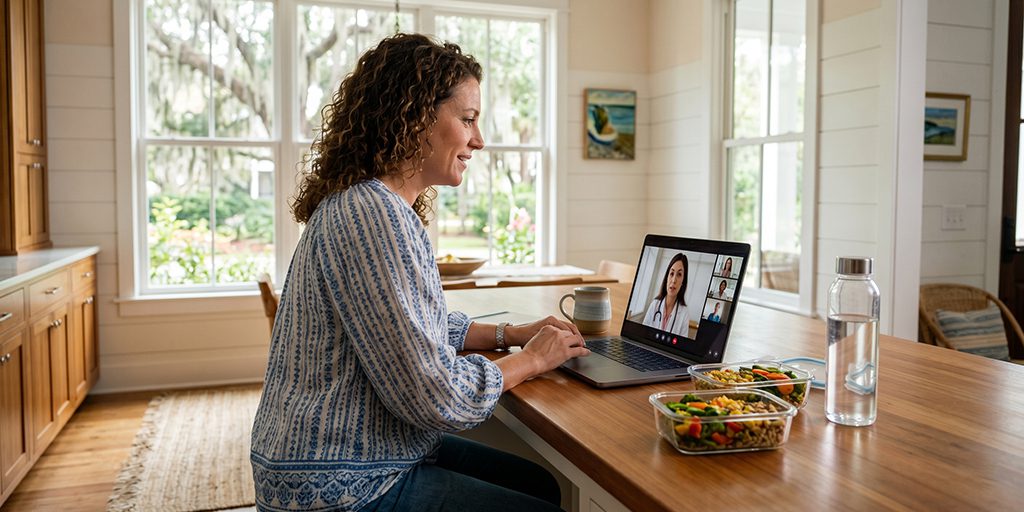
Telehealth eliminates much of that friction. You consult with a licensed clinician from your home, your office, or wherever you happen to be. There's no commute, no time off work, and no sitting in a crowded waiting room. For busy professionals and parents juggling packed schedules, this model works.
South Carolina's telehealth regulations have continued to evolve, making it easier for licensed providers to treat patients across the state. That means someone in a smaller town like Beaufort or Aiken can receive the same quality of care as someone in downtown Columbia.
Personalized Compounded GLP-1
Looking for Semaglutide or Tirzepatide? Start your free assessment now!
How the Process Typically Works
Getting started with GLP-1 therapy through a telehealth provider follows a structured path. Here's what most patients can expect:
- Initial consultation: You complete a health questionnaire and meet with a licensed clinician via video or secure messaging. They review your medical history, current medications, and health goals.
- Clinical evaluation: The provider determines whether a GLP-1 medication is appropriate for you. This isn't a rubber stamp. Responsible prescribing requires a genuine assessment.
- Prescription and pharmacy coordination: If approved, your prescription is sent to a pharmacy with quality controls and batch testing protocols. Some providers work with specific pharmacy partners to maintain oversight.
- Ongoing check-ins: Dosing adjustments, side effect management, and progress tracking happen through follow-up consultations. This isn't a one-and-done transaction.
The entire process is designed to feel clear and predictable. You know what to expect at each step, and you have access to real people if questions come up.
Choosing a Trustworthy Telehealth Provider
Not all telehealth platforms operate with the same standards. Some prioritize speed and volume over clinical responsibility. When you're considering GLP-1 medications in South Carolina through a telehealth service, look for a few key indicators.
First, confirm that the provider uses licensed clinicians. This sounds obvious, but some platforms rely on automated questionnaires with minimal human review. Second, ask about pharmacy partnerships. A provider that works with vetted pharmacies and maintains quality protocols is prioritizing your safety. Third, check for transparent pricing. Hidden fees, surprise charges, and confusing subscription models are red flags.
Trava is one example of a clinician-guided telehealth company that checks these boxes. Their model includes licensed providers, direct pharmacy oversight, and straightforward pricing with no hidden add-ons. For South Carolina residents who want accountability built into the process, that kind of structure matters.
Who Benefits Most from This Approach?
GLP-1 therapy through telehealth isn't limited to one type of patient. The people using these services across South Carolina represent a wide range of goals and circumstances.
Some are focused primarily on weight loss. They've tried diet and exercise alone and haven't seen the results they need. Others are managing metabolic health conditions and want a medication that addresses multiple markers simultaneously. A growing number of patients in the 35-to-65 age range are interested in maintaining vitality and muscle mass as they age, and GLP-1 medications can serve as an on-ramp to broader wellness strategies.
Fitness-focused individuals pursuing body recomposition, meaning fat loss without sacrificing lean muscle, also find value in GLP-1 therapy. And for self-pay or uninsured patients, telehealth providers with transparent pricing offer a more accessible entry point than traditional healthcare systems.
The common thread is a desire for structured, evidence-based care that respects your time and your intelligence.
What to Expect with Side Effects
Every medication carries potential side effects, and GLP-1 receptor agonists are no exception. The most commonly reported issues include nausea, mild gastrointestinal discomfort, and decreased appetite. These tend to be most noticeable during the early weeks of treatment or after a dosage increase.
A good telehealth provider will prepare you for this. They'll explain what's normal, what warrants a call, and how dosing adjustments can help manage discomfort. This is where ongoing clinical support proves its value. You're not left guessing whether a symptom is expected or concerning.
Trava's care model, for instance, includes responsive support from real care teams. Questions get answered. Issues get resolved. That kind of attentiveness makes a meaningful difference when you're adjusting to a new medication.
Coastal Living, Growing Cities, and Long-Term Wellness
South Carolina's identity is shifting. Charleston continues to attract young professionals and families drawn to its coastal character. Columbia's healthcare and tech sectors are expanding. Greenville's revitalized downtown reflects a community that values quality of life.
These aren't just economic trends. They reflect a population that's increasingly proactive about health. People want to feel good in their daily lives, whether that means keeping up with their kids at the beach, performing well at work, or aging with confidence. GLP-1 therapy fits into that broader picture because it addresses metabolic health at a foundational level.
Telehealth makes this accessible regardless of where you live in the state. Your zip code shouldn't determine whether you can work with a qualified clinician on your wellness goals.

Frequently Asked Questions
Do I need insurance to get GLP-1 medications through telehealth in SC?
No, many telehealth providers operate on a self-pay model. This means you don't need insurance approval to begin treatment. Providers like Trava offer transparent pricing so you know exactly what you're paying before you commit. This is particularly helpful for uninsured patients or those whose insurance plans don't cover GLP-1 medications for weight management.
How quickly can I start treatment after my first consultation?
Most patients can begin treatment within a few days of their initial consultation. Once a licensed clinician evaluates your health history and determines that a GLP-1 medication is appropriate, the prescription is coordinated with a pharmacy. Shipping timelines vary, but the process is designed to move efficiently without cutting corners on clinical review.
Are telehealth prescriptions for GLP-1 medications legal in South Carolina?
Yes. South Carolina permits licensed clinicians to prescribe medications through telehealth consultations, provided they follow state medical board guidelines. The provider must conduct a proper clinical evaluation, and the patient-provider relationship must be established before a prescription is written. Reputable telehealth companies comply with these requirements as standard practice.
Can I switch from semaglutide to tirzepatide through a telehealth provider?
In many cases, yes. If your clinician determines that switching medications would better serve your health goals, they can adjust your treatment plan during a follow-up consultation. This is one reason ongoing clinical relationships matter. A provider who knows your history can make informed recommendations about medication changes.
What happens if I experience side effects?
Your telehealth provider should offer clear guidance on managing side effects. Nausea and gastrointestinal discomfort are common early in treatment and often improve with time or dosing adjustments. If symptoms persist or feel severe, your care team can help you determine whether a dose change or alternative approach is needed. You shouldn't have to figure this out alone.
Conclusion
Accessing GLP-1 medications in South Carolina through telehealth has become a practical option for thousands of residents across the state. The combination of licensed clinical oversight, pharmacy quality controls, and remote convenience removes many of the traditional barriers to medical weight management.
Whether you're in a growing metro area or a quieter coastal town, you deserve care that's structured, transparent, and responsive. That's the standard worth holding any telehealth provider to. Trava's clinician-guided model was built around these principles: real support from real people, responsible prescribing, and pricing you can trust.
If you're considering GLP-1 therapy and want a provider that prioritizes accountability over speed, take a closer look at what Trava offers. Your health goals deserve a partner, not just a prescription.
Disclaimer: TRAVA is not affiliated with, Mounjaro, Ozempic, Rybelsus, Saxenda, Trulicity, Wegovy, or Zepbound. However, we do offer alternatives such as Semaglutide and Tirzepatide. Before beginning any treatment, it's essential to consult with a licensed healthcare provider to ensure the best approach for your individual health needs.