
Summer can change a lot about your skincare routine. More time outdoors, higher temperatures, sweat, travel, and increased sun exposure can all affect how your skin feels and responds to prescription products. Tretinoin Seasonal Skincare: How to Use Tretinoin in Summer Responsibly starts with one of the most common questions people have during sunnier months: Can you keep using Tretinoin in summer?
In many cases, yes. But thoughtful use matters. Tretinoin is a prescription skincare treatment, so your routine should be based on your skin, your treatment goals, and guidance from a licensed healthcare provider.
Quick Answer
Yes, Tretinoin can often be used during summer as part of a provider-guided skincare routine. The key is protecting your skin from the sun, paying attention to irritation, and adjusting your routine when needed. Tretinoin seasonal skincare may require more focus on sunscreen, moisturizer, and skin barrier support, especially if heat, swimming, travel, or increased outdoor activity changes how your skin responds.
Key Takeaways
- Tretinoin does not automatically need to be stopped just because it is summer.
- Consistent sunscreen use is especially important when Tretinoin is part of your skincare routine.
- Heat, sweat, swimming, and increased sun exposure may make irritation more noticeable for some people.
- A moisturizer and simple skincare routine can help support the skin barrier while using tretinoin.
- Changes in tretinoin frequency or application should be discussed with your healthcare provider.
- Tretinoin results take time, so consistency and realistic expectations matter more than trying to speed up the process.
Personalized Compounded Tretinoin
Looking for anti-aging solutions? Start your free assessment now!
Why Tretinoin Seasonal Skincare Matters
Tretinoin is a prescription form of vitamin A commonly used as part of provider-guided skincare for concerns such as acne, uneven texture, and visible signs of aging.
Because Tretinoin affects how skin cells renew, some people experience dryness, peeling, redness, or irritation, especially when starting treatment or changing their routine. Summer adds a few more variables.
You may spend more time outdoors. You may sweat more. Chlorine, salt water, travel, and frequent cleansing can also affect how your skin feels.
That does not mean summer and Tretinoin are incompatible. It simply means your routine may need more attention.
Why does sunscreen matter with Tretinoin?
Sun protection is an important part of any skincare routine, but it becomes particularly important when using prescription skincare such as Tretinoin.
Regular sunscreen use helps protect skin from ultraviolet exposure while you are working toward your skincare goals. It can also help reduce additional stress on skin that may already feel dry or sensitive from treatment.
Choose a sunscreen you are comfortable using consistently and follow the product directions. Your provider can also help you decide what type of sunscreen may work well with your skin type and current routine.
Other sun-smart habits can help too, including seeking shade and using protective clothing when you expect extended outdoor exposure.

Can You Use Tretinoin During Summer?
For many adults, summer does not automatically mean stopping Tretinoin.
What may change is how carefully you manage the rest of your routine. Someone spending most days indoors may have very different skincare needs from someone vacationing at the beach, training outdoors, swimming regularly, or working outside.
Pay attention to how your skin responds.
If your skin becomes noticeably more irritated, dry, uncomfortable, or difficult to manage, contact your healthcare provider. They may recommend changes based on your individual situation.
Should I stop Tretinoin before beach days?
There is no one-size-fits-all answer.
A beach vacation, outdoor event, or weekend in the sun does not necessarily mean everyone should stop Tretinoin. Your provider may consider your current dose or frequency, how long you have been using it, your skin sensitivity, and the amount of sun exposure you expect.
Instead of changing your prescription routine on your own, ask your provider what they recommend before periods of unusually high sun exposure.
Regardless of your Tretinoin schedule, sunscreen and other forms of sun protection remain important.
How Can You Reduce Irritation in Hot Weather?
Summer can create a perfect storm for irritated skin. Heat and sweat may feel uncomfortable on already-sensitive skin, while swimming and more frequent cleansing can leave skin feeling dry.
A few simple habits may make your routine easier to tolerate.
Keep the rest of your routine simple
Using several strong skincare products at the same time can make it harder to understand what is causing irritation.
If Tretinoin is your primary prescription treatment, ask your provider which cleansers, moisturizers, exfoliants, acids, or other active ingredients should stay in your routine.
More products do not always mean better results.
Prioritize moisturizer
Moisturizer can help support the skin barrier and manage dryness associated with prescription skincare.
If your usual moisturizer feels too heavy during hot weather, you may prefer a lighter texture. The goal is to find something comfortable enough that you will use it consistently.
Be careful with extra exfoliation
When skin feels rough or flaky, adding a scrub or exfoliating treatment can be tempting.
But irritated skin may not need more exfoliation. It may need a gentler routine and time to recover. Ask your provider before combining Tretinoin with additional active ingredients if you are unsure how they should be used together.
Pay attention after swimming or sweating
Pool water, salt water, heat, and sweat can change how your skin feels.
Gently cleansing and moisturizing afterward may help keep your routine comfortable. Avoid aggressive scrubbing, especially if your skin already feels dry or sensitive.
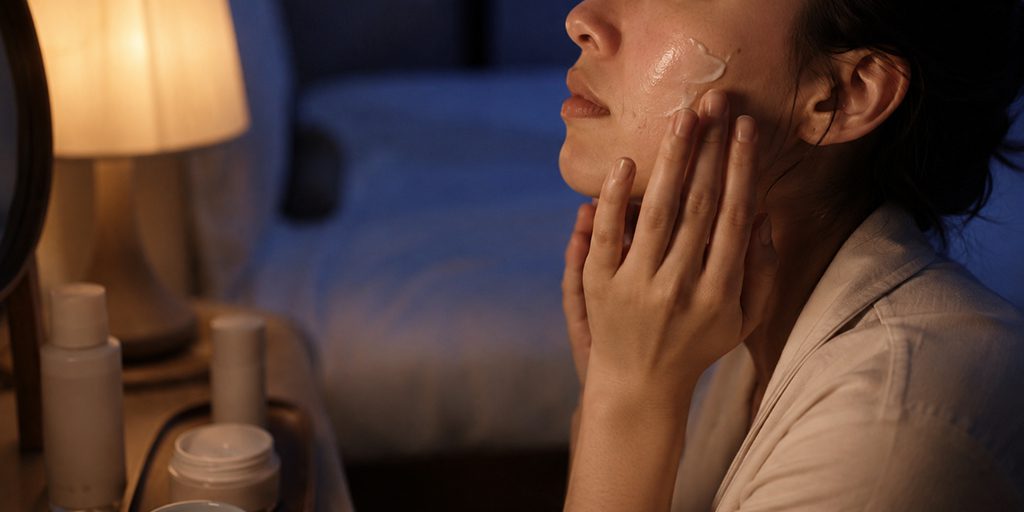
Tretinoin Seasonal Skincare: What to Consider Before Starting
Starting Tretinoin is less about choosing the perfect season and more about starting with an appropriate plan.
Before beginning prescription skincare, a licensed provider can review your goals, medical history, current skincare products, medications, and other factors that may affect treatment.
Consider discussing:
| What to consider | Why it matters |
|---|---|
| Your primary skincare goal | Acne, texture, and signs of aging may require different treatment conversations |
| Current skincare products | Some combinations may increase irritation |
| Skin sensitivity | Your provider may consider how easily your skin becomes dry or irritated |
| Outdoor lifestyle | Frequent sun exposure can influence your skincare routine and sun protection habits |
| Upcoming travel or events | Beach trips and outdoor activities may be worth discussing before starting or changing treatment |
| Side effects | Knowing what to watch for can make it easier to recognize when provider guidance is needed |
Prescription skincare should be personalized rather than treated like a universal routine.
How Tretinoin May Fit Into Provider-Guided Wellness
Provider-guided care means a licensed healthcare professional evaluates whether a prescription treatment may be appropriate for you rather than simply choosing a product on your own.
TRAVA is a modern telehealth and wellness brand focused on making provider-guided care easier to access. For prescription skincare, that means connecting treatment decisions to professional review, realistic expectations, and ongoing questions about how your skin is responding.
Telehealth can also make it easier to discuss concerns that come up after treatment begins.
If your skin becomes more irritated during summer, your lifestyle changes, or you are unsure whether you should adjust your routine, those are good reasons to check in with your provider rather than guessing.
How Long Does Tretinoin Take to Work?
Tretinoin should not be thought of as an overnight skincare fix.
Skin changes happen gradually, and the timeline can vary depending on why Tretinoin is being used, your individual skin, the treatment plan, and how consistently you follow provider guidance.
Some people also experience an adjustment period when they begin using Tretinoin.
The most useful approach is to think in terms of steady progress rather than immediate transformation. Your provider can help you understand what changes may be realistic for your particular treatment goal and when your progress should be reevaluated.
What Side Effects Can Happen With Tretinoin?
Tretinoin can cause skin irritation.
Possible concerns may include:
- Dryness
- Redness
- Peeling or flaking
- Skin sensitivity
- Burning or stinging
- Increased discomfort when other irritating skincare products are used
How noticeable these effects are can vary from person to person.
Contact your healthcare provider if irritation becomes significant, persistent, painful, or difficult to manage. A provider can help determine whether your routine needs to change or whether another approach may be more appropriate.
Prescription skincare is not right for everyone, which is another reason individual medical review matters.
Questions to Ask Your Provider
Before starting Tretinoin or changing your routine for summer, consider asking:
- Is Tretinoin appropriate for my skin type and skincare goals?
- How often should I use Tretinoin when I first start?
- Should I change my routine if I will be spending much more time outdoors?
- What sunscreen and moisturizer should I consider using with Tretinoin?
- Which skincare ingredients should I avoid or limit while using Tretinoin?
- What level of dryness or irritation is expected, and when should I contact you?
- Should travel, swimming, or beach vacations change how I use my prescription?
Clear questions can make it easier to build a routine you understand and can follow consistently.
FAQs
Can Tretinoin be used during summer?
Yes, many people can continue using Tretinoin during summer with appropriate provider guidance and sun protection. Summer may require closer attention to sunscreen, moisturizer, irritation, and changes in outdoor exposure. Do not assume you need to stop treatment simply because the weather changes, but check with your provider if you have concerns about your routine.
Should I stop Tretinoin before going to the beach?
Not necessarily. Whether your routine should change before significant sun exposure depends on your individual treatment plan and skin sensitivity. Ask your provider rather than stopping or restarting prescription treatment on your own. Sunscreen, shade, and other sun-protection habits remain important when you are spending extended time outside.
How can I reduce Tretinoin irritation during hot weather?
Keep your skincare routine gentle, use moisturizer, avoid unnecessary exfoliation, and pay attention to how heat, sweat, swimming, and cleansing affect your skin. If irritation increases, contact your provider. They can help determine whether your treatment schedule or other products in your routine should be adjusted.
How long does Tretinoin take to work?
Tretinoin works gradually, and there is no single timeline that applies to everyone. Results can depend on your skincare goal, treatment plan, skin response, and consistency. Your provider can help set realistic expectations and determine when it makes sense to evaluate whether your treatment is working as intended.
Why is sunscreen important when using Tretinoin?
Sunscreen helps protect your skin from ultraviolet exposure and is an important part of responsible prescription skincare. It may be especially helpful when your skin is already experiencing dryness or sensitivity. Consistent sun protection also supports the broader skincare goals you are working toward with your provider.
A Smarter Summer Routine Starts With Consistency
Using Tretinoin during summer is usually less about choosing between prescription skincare and enjoying the season and more about managing both responsibly.
Protect your skin from the sun, keep the rest of your routine manageable, watch for irritation, and avoid making prescription changes without guidance.
Most importantly, give the process time. Healthy skincare habits and provider-guided treatment are built around consistency, not perfection.
If you are considering Tretinoin or want help deciding how prescription skincare may fit your routine, explore TRAVA's provider-guided prescription skincare options and connect with a licensed provider to discuss what may be appropriate for you.
Disclaimer: TRAVA is not affiliated with, Mounjaro, Ozempic, Rybelsus, Saxenda, Trulicity, Wegovy, or Zepbound. However, we do offer alternatives such as Semaglutide and Tirzepatide. Before beginning any treatment, it's essential to consult with a licensed healthcare provider to ensure the best approach for your individual health needs.