
Beach days and prescription skincare can coexist, but a little planning matters. If tretinoin is part of your routine, understanding Tretinoin, Sun Protection, and Skin Care Habits can help you enjoy time outdoors while paying closer attention to sunscreen, irritation, and your skin barrier.
National Beach Day is a good reminder that prescription skincare does not happen in isolation. Sun exposure, heat, your daily skincare products, and how your skin feels can all be important parts of the conversation.
Quick Answer
Yes, you can spend time at the beach while using tretinoin, but sun protection and skin awareness are especially important. Use sunscreen as directed, seek shade when practical, and pay attention to irritation or sunburn. If your skin becomes unusually sensitive after sun exposure, follow your prescribed instructions and ask your provider whether you should adjust your tretinoin routine rather than making changes on your own.
Key Takeaways
- Tretinoin and beach days are not automatically incompatible, but consistent sun protection matters.
- Sunscreen, shade, protective clothing, and thoughtful timing can all support an outdoor skincare routine.
- Irritated or sunburned skin may need extra care, so avoid making automatic changes to your prescription without guidance.
- Tretinoin results take time, and expectations should focus on consistency rather than overnight changes.
- Dryness, redness, peeling, or irritation can occur, especially as your skin adjusts.
- A licensed provider can help you decide how tretinoin should fit into your routine based on your skin, other products, and outdoor habits.
Personalized Compounded Tretinoin
Looking for anti-aging solutions? Start your free assessment now!
Why Tretinoin, Sun Protection, and Skin Care Habits Matter
Tretinoin is a prescription skincare treatment used for concerns such as acne, uneven texture, and visible signs of aging. Because it is a prescription treatment, how you use it should be based on instructions from a licensed healthcare provider.
Sun protection is an important part of that routine. A day at the beach can mean more time outdoors than usual, along with heat, wind, salt water, or pool water. Those factors can make skin feel different than it does during a normal day indoors.
That does not mean someone using tretinoin needs to avoid outdoor activities. It means your skincare routine should account for what your skin is experiencing.
Can You Go to the Beach While Using Tretinoin?
In general, using tretinoin does not mean you have to stop enjoying the beach. The bigger consideration is how you protect and care for your skin while you are there.
A practical beach-day routine may include:
- Applying sunscreen according to the product directions
- Reapplying sunscreen as needed throughout the day
- Using hats, sunglasses, umbrellas, or other forms of shade
- Avoiding unnecessary irritation from scrubs or harsh skincare products
- Paying attention to redness, dryness, tenderness, or sunburn
- Keeping your routine simple if your skin already feels sensitive
Sun protection should be a regular skincare habit, not something reserved only for days when you use tretinoin.

What Should You Do With Tretinoin After a Day in the Sun?
It can be tempting to create a new rule every time your skin feels different. For example, you may wonder whether you should automatically skip tretinoin after spending several hours outside.
There is not one universal answer for every person.
If your skin feels comfortable and you have been instructed to use tretinoin on a regular schedule, follow the treatment plan your provider gave you. If your skin is sunburned, unusually red, peeling, painful, or significantly irritated, contact your provider for guidance about how to handle your next application.
Avoid trying to “make up” for a missed application by using extra product later unless your provider has specifically instructed you to do so.
Beach Day vs. Irritated Skin
| Situation | What to Consider |
|---|---|
| Normal outdoor day with no unusual irritation | Continue following your provider-directed skincare plan and prioritize sun protection |
| Skin feels mildly dry or sensitive | Keep the rest of your routine gentle and monitor how your skin feels |
| Noticeable redness or irritation | Avoid adding unnecessary irritating products and consider asking your provider for guidance |
| Sunburned or painful skin | Contact your provider about how to manage your prescription routine while your skin recovers |
| Ongoing irritation with tretinoin | Discuss frequency, application habits, and the rest of your skincare routine with your provider |
What Sunscreen Habits Matter Most With Tretinoin?
Sunscreen works best as part of a broader sun protection routine rather than as a one-time step before you leave the house.
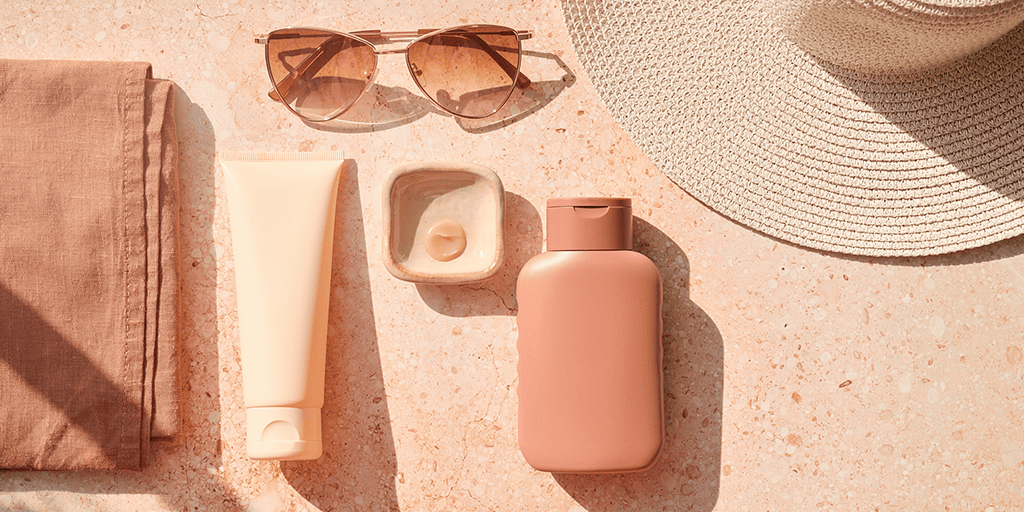
For beach days, think about protection throughout the entire day. That may mean bringing sunscreen with you so it is available when you need to reapply, spending part of the day under an umbrella or shade structure, and using clothing or accessories that reduce direct sun exposure.
Your provider can also help you choose skincare products that fit comfortably alongside tretinoin, particularly if your skin tends to become dry or irritated.
Make Sun Protection Easy to Repeat
The most practical routine is usually one you can actually maintain.
Consider keeping sunscreen somewhere you are likely to remember it, such as your beach bag, travel bag, or alongside the other products you use each morning. If you know you will be outdoors for an extended period, plan for sun protection before leaving rather than trying to improvise later.
The goal is not perfection. It is consistency.
How Tretinoin May Fit Into Provider-Guided Wellness
Prescription skincare is different from simply adding another cosmetic product to your bathroom shelf. A licensed provider can evaluate your goals, health history, current skincare routine, and how your skin responds over time.
Provider-guided care may also help answer questions that become more important during summer, vacations, or periods of increased outdoor activity.
For example, you may want to discuss:
- How often you should use tretinoin
- What other skincare products you are currently using
- How to respond if your skin becomes irritated
- Whether your routine should change during periods of frequent sun exposure
- What realistic progress may look like
- When a follow-up may be useful
TRAVA is a modern telehealth and wellness brand focused on provider-guided support, including prescription skincare options. Telehealth allows eligible patients to connect with licensed providers remotely for evaluation and treatment guidance when appropriate.
What to Consider Before Starting Tretinoin
Tretinoin may be worth discussing if you are interested in provider-guided prescription skincare for concerns such as acne, skin texture, or signs of aging. However, it is not automatically the right choice for every person.
Before starting, think about your full skincare routine rather than focusing on one product.
Your Main Skincare Goal
Be clear about what you want to address. Acne, texture, and visible signs of aging may lead to different treatment conversations and expectations.
Your Current Products
Tell your provider about cleansers, moisturizers, exfoliating products, acne treatments, and other active skincare ingredients you use. Combining multiple irritating products may make it harder to understand what your skin is reacting to.
Your Skin Sensitivity
If your skin becomes dry, red, or irritated easily, that is useful information for your provider.
Your Outdoor Lifestyle
Frequent beach trips, outdoor exercise, travel, sports, or long periods outside may influence the skincare habits you need to prioritize.
Your Expectations
Prescription skincare usually requires patience and consistency. Tretinoin should not be viewed as a shortcut to flawless skin or an overnight transformation.
How Long Does Tretinoin Take to Work?
Tretinoin is generally a long-term skincare treatment rather than an instant cosmetic fix. How quickly someone notices changes can vary based on the reason it is being used, the prescribed routine, skin sensitivity, other products, and individual response.
Instead of judging the treatment based on a few days, follow the schedule provided by your healthcare provider and discuss progress during follow-up care.
If you are unsure whether your experience is typical, ask. Your provider can help distinguish between expected adjustment, unwanted irritation, and a reason to reconsider part of your routine.
What Side Effects Can Happen With Tretinoin?
Skin irritation can occur with tretinoin. Depending on the individual, this may include dryness, redness, peeling, sensitivity, or discomfort.
That is one reason a simple, supportive skincare routine can be helpful. Adding multiple new products at the same time can make it harder to determine what is causing irritation.
Contact your healthcare provider if irritation is significant, persistent, worsening, or concerning to you. Prescription treatment should be adjusted based on medical guidance rather than trial and error.
Why Provider Guidance Matters With Prescription Skincare
Advice about tretinoin is easy to find online, but another person’s skincare routine may not be appropriate for your skin.
A licensed provider can consider factors that social media posts and generic skincare advice cannot, including your health history, other treatments, personal goals, skin response, and the instructions associated with your prescription.
Provider guidance is especially useful when:
- You are starting tretinoin for the first time
- Your skin remains irritated
- You are unsure how often to apply it
- You are using other active skincare products
- You experience significant sun exposure
- Your goals or skincare concerns change
- You are unsure whether treatment is working as expected
Questions to Ask Your Provider
If tretinoin is part of your routine, consider asking:
- How should I use tretinoin when I know I will be spending a lot of time outdoors?
- What should I do if my skin becomes sunburned or unusually irritated?
- Which products should I avoid combining with my tretinoin routine?
- What type of sunscreen habits do you recommend for my skin?
- How should I tell the difference between normal adjustment and excessive irritation?
- When should we evaluate whether my treatment plan is working?
- Are there changes in my routine I should discuss before a beach vacation or other period of frequent sun exposure?
FAQs
Can I go to the beach while using tretinoin?
Yes. Tretinoin use does not automatically mean avoiding the beach, but sun protection should be a priority. Use sunscreen according to its directions, seek shade when practical, and pay attention to how your skin feels. If you experience significant irritation or sunburn, ask your provider how to manage your prescription routine.
Should I skip tretinoin after sun exposure?
Do not assume you need to skip tretinoin simply because you spent time outside. Follow the instructions provided with your treatment. If your skin is sunburned, painful, unusually red, or irritated, contact your provider before deciding how to proceed.
Why does sunscreen matter when using tretinoin?
Sun protection helps support a thoughtful skincare routine when you are using prescription treatment. It can also help reduce unnecessary stress on skin that may already be experiencing dryness or sensitivity. Your provider can help you determine how sunscreen and other protective habits should fit into your routine.
How long does tretinoin take to work?
Tretinoin is not designed to create an overnight transformation. The time it takes to notice changes varies from person to person and depends on factors such as treatment goals, consistency, skin response, and the prescribed routine. Follow your provider's guidance and evaluate progress over time.
What should I do if tretinoin irritates my skin?
Keep your routine simple and contact your provider if irritation is significant, persistent, or concerning. Your provider may want to review how you are using tretinoin, what other products are in your routine, and how your skin is responding before recommending any changes.
Tretinoin, Sun Protection, and Skin Care Habits: The Practical Takeaway
A beach day does not have to derail your prescription skincare routine. What matters is protecting your skin, paying attention to irritation, and following the treatment plan you developed with your provider.
Tretinoin works best as part of a broader skincare routine that includes realistic expectations, consistent habits, and professional guidance when questions come up.
If you are interested in prescription skincare for acne, texture, signs of aging, or other skin concerns, explore TRAVA’s provider-guided prescription skincare options to learn whether treatment may be appropriate for you.
Disclaimer: TRAVA is not affiliated with, Mounjaro, Ozempic, Rybelsus, Saxenda, Trulicity, Wegovy, or Zepbound. However, we do offer alternatives such as Semaglutide and Tirzepatide. Before beginning any treatment, it's essential to consult with a licensed healthcare provider to ensure the best approach for your individual health needs.