
If you're living in South Dakota and considering GLP-1 medications for weight loss or metabolic health, you're not alone. Interest in these therapies has grown steadily across the state, from Sioux Falls to Rapid City to Aberdeen. But finding reliable information can feel difficult, especially if you're in a rural area far from a specialty clinic. This patient guide to GLP-1 medications in South Dakota is designed to give you clear, practical answers. We'll cover how these drugs work, who they're for, and how telehealth is making access more realistic for people across the state. Whether you're managing seasonal weight fluctuations, planning around a demanding work schedule, or simply looking for structured medical support, this is your starting point. South Dakota's geography and climate create unique challenges. Long winters, limited local providers, and significant drive times between towns all factor into your wellness planning. Understanding your options now puts you in a stronger position.
GLP-1 Medications in SD
What Are GLP-1 Medications?
GLP-1 receptor agonists are a class of prescription medications originally developed for type 2 diabetes management. They mimic a natural hormone called glucagon-like peptide-1, which your body produces after eating. This hormone signals your brain to feel full, slows gastric emptying, and helps regulate blood sugar.
The two most commonly prescribed GLP-1 medications for weight management are semaglutide and tirzepatide. Semaglutide, sold under brand names like Ozempic and Wegovy, has been widely studied for both glycemic control and weight reduction. Tirzepatide, marketed as Mounjaro and Zepbound, targets both GLP-1 and GIP receptors, offering a dual-action approach. Both are administered as weekly injections and require a prescription from a licensed clinician.
These aren't quick fixes. They work best as part of a structured care plan that includes dietary adjustments, physical activity, and ongoing clinical monitoring. Responsible prescribing matters here, and your provider should assess your full medical history before starting treatment.
Who Qualifies in South Dakota?
Eligibility for GLP-1 therapy typically follows established clinical guidelines. Most providers look for a body mass index (BMI) of 30 or higher. A BMI of 27 or above may also qualify if you have at least one weight-related condition, such as hypertension, type 2 diabetes, or high cholesterol.
Your provider will also review your medication history, current health status, and treatment goals. Not everyone is a candidate. People with a personal or family history of medullary thyroid carcinoma or multiple endocrine neoplasia syndrome type 2 should not take these medications. Pregnant or breastfeeding individuals are also excluded.
In South Dakota, many patients begin the process through a telehealth consultation. This is especially relevant if you're in a rural community without easy access to an endocrinologist or obesity medicine specialist. A licensed clinician can evaluate your eligibility remotely and build a treatment plan tailored to your situation.
Personalized Compounded GLP-1
Looking for Semaglutide or Tirzepatide? Start your free assessment now!
Telehealth Access Across the State
South Dakota is the 17th largest state by area, yet it ranks among the lowest in population density. That creates real barriers to healthcare access. If you live in Pierre, Huron, or a smaller town on the western plains, your nearest weight management clinic might be hours away.
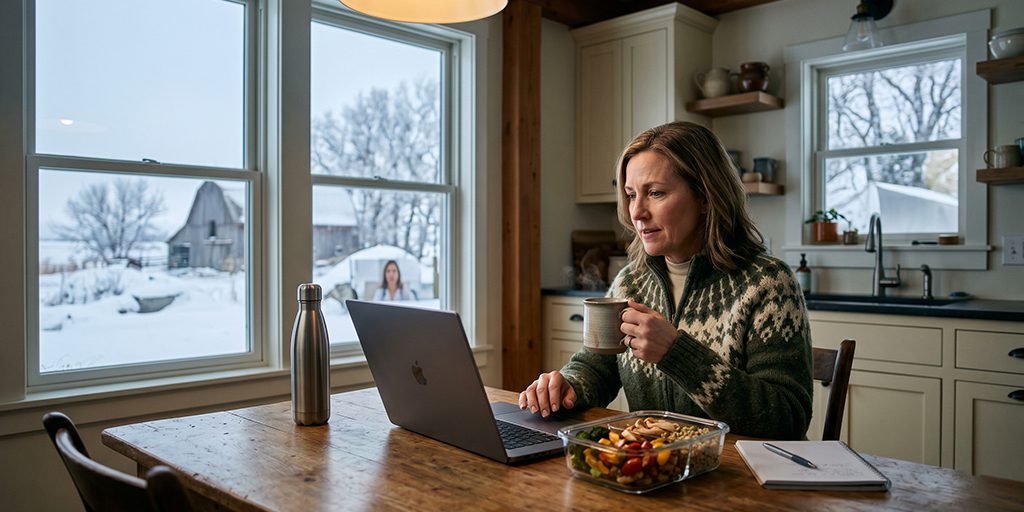
Telehealth has changed this equation significantly. Clinician-guided platforms now allow South Dakota residents to consult with licensed providers from home. You complete a medical intake, discuss your history and goals via a virtual appointment, and receive a prescription shipped directly to your door if you qualify.
Trava operates in this space with a focus on clinical accountability. Their model pairs you with licensed clinicians, maintains pharmacy oversight, and offers transparent pricing without hidden fees. For someone in Aberdeen who'd otherwise need to drive to Sioux Falls for a specialist appointment, this kind of access is meaningful.
The convenience factor goes beyond geography. South Dakota's agricultural economy means many residents work irregular hours. Ranchers, farmers, and shift workers don't always have the flexibility to schedule midday appointments. Telehealth consultations can happen on your timeline, which makes consistent care more realistic.
Managing Treatment Through South Dakota's Seasons
South Dakota's climate plays a real role in your wellness routine. Winters are long and cold. Outdoor activity drops. Comfort eating increases. These seasonal patterns can affect weight management outcomes if you're not planning ahead.
GLP-1 medications can help stabilize appetite during these months, but they're most effective when paired with intentional habits. Stock your kitchen with nutrient-dense foods before the first snowfall. Set up a simple indoor exercise routine. Schedule your telehealth check-ins at regular intervals so your provider can adjust your dosage as needed.
Summer brings its own rhythm. Longer days, more physical activity, and access to fresh produce from local farms and markets. Many patients find their progress accelerates during warmer months. Your clinician can help you take advantage of these seasonal shifts by adjusting your care plan accordingly.
Consistency matters more than intensity. A 20-minute walk three times a week through your neighborhood in Rapid City or along the Big Sioux River in Sioux Falls counts. Small, repeatable actions compound over time, especially when supported by medication that reduces cravings and regulates appetite.
What to Expect: Side Effects and Monitoring
GLP-1 medications carry side effects. The most common include nausea, vomiting, diarrhea, and constipation. These tend to be most pronounced during the initial weeks and during dose escalations. Most patients find that symptoms decrease as their body adjusts.
Your provider should start you on a low dose and increase gradually. This titration process is standard and helps minimize discomfort. If side effects persist or worsen, your clinician may slow the titration schedule or explore alternative options.
Regular monitoring is part of responsible treatment. Expect periodic check-ins where your provider reviews your weight trends, metabolic markers, and overall well-being. Blood work may be requested to track kidney function, pancreatic enzymes, and other relevant indicators.
With a platform like Trava, these check-ins happen virtually. You don't need to block out half a day for a clinic visit. The care team stays involved beyond the prescription, answering questions and adjusting your plan as your body responds.
Cost and Insurance Considerations
Pricing for GLP-1 medications varies widely. Brand-name versions can run over $1,000 per month without insurance. Some South Dakota insurance plans cover these medications, particularly for patients with a diabetes diagnosis. Coverage for weight management alone is less consistent.
Compounded versions of semaglutide and tirzepatide offer a more affordable alternative for many patients. These are prepared by licensed pharmacies and prescribed by clinicians who verify your eligibility. Trava's pricing model is designed to be straightforward: you see the cost upfront, with no surprise add-ons or membership traps.
If you're self-pay or uninsured, compare your options carefully. Ask about total monthly costs, including medication, consultations, and shipping. A lower headline price that hides fees isn't actually cheaper. Predictability in pricing builds trust and helps you budget for sustained treatment.
Frequently Asked Questions
Are GLP-1 medications safe for long-term use?
Current evidence supports the safety of GLP-1 receptor agonists for extended use under medical supervision. Semaglutide and tirzepatide have been studied in multi-year clinical trials with favorable safety profiles. Your provider should monitor you regularly and adjust treatment based on your response. Long-term use decisions are always individualized.
Can I get GLP-1 medications through telehealth in South Dakota?
Yes. South Dakota permits telehealth prescribing for GLP-1 medications when conducted by licensed clinicians following established protocols. You'll complete a medical intake, have a virtual consultation, and receive your medication by mail if you qualify. This is particularly valuable for residents in rural areas who may not have local access to obesity medicine specialists.
How quickly do GLP-1 medications work?
Most patients notice reduced appetite within the first one to two weeks. Measurable weight loss typically becomes apparent within four to eight weeks, depending on the medication, dosage, and your adherence to dietary and activity recommendations. Results vary by individual. Your clinician will track your progress and adjust your plan as needed.
Do I need to follow a specific diet while taking these medications?
There's no single required diet, but nutritional adjustments matter. GLP-1 medications reduce appetite, which means the calories you do consume should be nutrient-dense. Lean proteins, vegetables, whole grains, and healthy fats form a solid foundation. Your provider may offer specific guidance based on your metabolic profile and goals. Hydration is also important, especially during South Dakota's dry winter months.
What happens if I stop taking GLP-1 medication?
Research shows that many patients regain some weight after discontinuing GLP-1 therapy, particularly if lifestyle changes aren't maintained. This is why a structured care plan matters. Your clinician should help you develop sustainable habits during treatment so that if you eventually taper off, you're better equipped to maintain your progress. Some patients choose to stay on a maintenance dose long-term, which is a conversation to have with your provider.

Conclusion
GLP-1 medications represent a meaningful option for South Dakota residents seeking structured, clinically guided weight management. Whether you're in a metro area like Sioux Falls or a rural community hours from the nearest specialist, telehealth has made access to these therapies far more practical than it was even a few years ago.
The key is working with a provider who prioritizes your safety, maintains clinical standards, and communicates openly about costs and expectations. Trava's approach to clinician-guided care, pharmacy oversight, and transparent pricing reflects these priorities. Their model is built for people who want real medical support without the confusion or hidden fees that too often come with online health platforms.
If you're considering GLP-1 therapy, take the first step. Schedule a consultation, ask your questions, and get a clear picture of what treatment looks like for your specific situation. Your health decisions deserve that kind of clarity.
Disclaimer: TRAVA is not affiliated with, Mounjaro, Ozempic, Rybelsus, Saxenda, Trulicity, Wegovy, or Zepbound. However, we do offer alternatives such as Semaglutide and Tirzepatide. Before beginning any treatment, it's essential to consult with a licensed healthcare provider to ensure the best approach for your individual health needs.