
If you keep starting a wellness plan and then falling off, the problem may not be motivation alone. This guide, Lipo-B and B12 Energy Support: Why Consistency Starts With Realistic Energy, explains how fatigue can affect follow-through and where provider-guided support may fit into a realistic wellness routine.
Many people blame themselves when they cannot stay consistent with movement, nutrition, hydration, or daily habits. But when energy is low, even simple routines can feel harder than they should. Lipo-B and B12 energy support may help some patients feel better equipped to follow through, especially when paired with a personalized plan.
When Your Wellness Plan Fails Because You’re Exhausted
A lot of wellness advice sounds simple on the surface.
Eat balanced meals. Move more. Drink enough water. Sleep well. Plan ahead. Stay consistent.
Those are helpful habits, but they all require energy. When someone is tired, drained, or mentally overloaded, those habits can feel much harder to maintain. That does not mean they are lazy or undisciplined. It may mean their plan does not match their real energy levels.
At Trava, the goal is not to tell patients to “try harder.” The goal is to understand what may be getting in the way. For some people, energy support can be one piece of a broader plan that makes healthy routines feel more doable.
Why Low Energy Can Look Like Low Motivation
Low motivation and low energy can feel similar, but they are not always the same thing.
Someone may want to meal prep, go for a walk, or make better choices, but still feel too tired to follow through. They may start strong in the morning and crash by the afternoon. They may know exactly what to do, but feel like their body is not cooperating.
That gap between intention and action can be frustrating.
Signs energy may be affecting your routine
Low energy can show up in ways that are easy to mistake for poor discipline. For example, you may notice:
- You skip workouts even when you planned them
- You rely on convenience foods because cooking feels like too much
- You feel mentally foggy during the day
- You lose momentum after a few good days
- You feel more consistent when you are rested
- You keep needing caffeine to push through normal tasks
These patterns do not automatically mean there is a nutrient issue or that a specific treatment is needed. But they are worth discussing with a provider, especially if fatigue keeps interfering with your wellness goals.
Personalized Compounded Lipo B + B12
Looking for anti-aging solutions? Start your free assessment now!
How Low Energy Disrupts Healthy Routines
Consistency depends on more than willpower. It depends on your schedule, stress level, sleep quality, nutrition, hormones, medications, lifestyle, and overall health.
When energy is low, the “easy” parts of wellness can start to feel difficult.
Movement feels harder
Exercise does not have to be intense to be useful. Walking, stretching, light strength training, and daily movement can all support wellness goals.
But when someone feels exhausted, even a short walk can feel like a major task. This can create a cycle where low energy reduces movement, and reduced movement can make it harder to build momentum.
Food choices become more reactive
Fatigue can also affect nutrition choices. When you are tired, it is harder to plan, shop, cook, and make intentional decisions.
That does not mean every meal needs to be perfect. It means your plan needs to be realistic. A wellness plan should account for busy days, low-energy days, travel days, and weeks when life does not go smoothly.
Follow-through becomes inconsistent
Many people do well for a few days, then struggle. They may start to think they are failing, when the real issue is that their plan requires more energy than they currently have.
A better question may be: What would make this plan easier to repeat?
That is where energy-aware planning can help.
Where Lipo-B and B12 Energy Support May Fit
Lipo-B and B12 are often discussed in wellness settings because they may support energy metabolism, nutrient support, and routine consistency for certain patients. They are not a shortcut, and they do not replace nutrition, movement, sleep, or medical evaluation.
Instead, they may be considered as part of a provider-guided plan when fatigue, low energy, or inconsistent follow-through is part of the bigger picture.
What is B12?
Vitamin B12 is an essential nutrient that helps support normal nerve function, red blood cell formation, and energy metabolism. Some people may have lower B12 levels due to diet, absorption issues, age, certain medications, or other health factors.
When B12 support is appropriate, a provider can help determine whether it fits the patient’s needs.
What is Lipo-B?
Lipo-B typically refers to a combination of lipotropic ingredients and B vitamins used in some wellness programs. These ingredients are often connected to metabolic support, nutrient support, and energy-related wellness goals.
The exact formulation can vary, which is why provider guidance matters. Patients should understand what is being recommended, why it is being recommended, and how it fits into their larger plan.
Lipo-B + B12 is not a replacement for healthy habits
Energy support should not be framed as a way to skip the basics.
It works best when it supports a plan that already includes realistic habits, such as:
- Consistent meals with enough protein
- Daily hydration
- Light to moderate movement
- Better sleep routines
- Stress management
- Provider-guided treatment when appropriate
The goal is not to force a more intense plan. The goal is to make the right plan easier to sustain.

Low Motivation vs. Low Energy: A Simple Comparison
| What You Notice | Low Motivation May Look Like | Low Energy May Look Like |
|---|---|---|
| Exercise | You do not feel interested in moving | You want to move, but feel physically drained |
| Nutrition | You do not care much about food choices | You care, but cooking or planning feels overwhelming |
| Workday habits | You procrastinate without a clear reason | You feel foggy, tired, or unable to focus |
| Routine consistency | You are not connected to the goal | You are connected to the goal, but cannot sustain the effort |
| Best next step | Reconnect with purpose and simplify habits | Review fatigue patterns, lifestyle, and possible support options |
This comparison is not a diagnosis. It is a starting point for understanding what may be happening. Many people experience both low motivation and low energy at different times.
How Trava Builds Plans Around Real Energy Levels
A realistic wellness plan should fit the person, not just the goal.
At Trava, provider-guided wellness support starts by looking at symptoms, habits, goals, and lifestyle. That matters because two people can have the same goal but very different barriers.
One person may need help with appetite and meal structure. Another may need support with fatigue and follow-through. Someone else may need a plan that accounts for travel, stress, poor sleep, or a demanding work schedule.
A better plan starts with better questions
Instead of asking only, “Why are you not doing it?” it can help to ask:
- When does your energy drop during the day?
- Are you sleeping well?
- Are you eating enough protein and nutrients?
- Are you skipping meals?
- Are you relying heavily on caffeine?
- Are your goals realistic for your current season of life?
- Have you talked with a provider about ongoing fatigue?
These questions can lead to a more useful plan than simply trying to push harder.
Energy-aware wellness feels more sustainable
Energy-aware planning does not mean doing less forever. It means building from where you are now.
For example, a patient may start with short walks instead of intense workouts. They may plan simple meals instead of complicated recipes. They may focus on hydration, protein, and sleep before adding more advanced wellness strategies.
If Lipo-B and B12 energy support is appropriate, it may help support the consistency needed to keep those habits going.
How to Make Healthy Routines Feel More Doable
Energy support can be helpful for some patients, but daily structure still matters. The right plan should reduce friction and make follow-through easier.
Start with smaller routines
A wellness plan does not need to be extreme to be effective. Small habits can create momentum when they are repeated consistently.
Examples include:
- A 10-minute walk after lunch
- A protein-focused breakfast
- A full water bottle before noon
- A simple grocery list for the week
- A basic bedtime routine
- A backup meal for busy days
These habits may sound simple, but they are often the foundation of long-term consistency.
Match your habits to your energy patterns
If your energy is better in the morning, schedule movement earlier. If you crash in the afternoon, plan a balanced lunch and avoid skipping meals. If evenings are busy, prep simple foods ahead of time.
The best plan is not the most impressive one. It is the one you can actually repeat.
Talk with a provider if fatigue keeps getting in the way
Ongoing fatigue should not be ignored. It can be connected to many factors, including sleep, nutrition, stress, medications, hormones, deficiencies, and underlying health conditions.
A provider can help decide whether additional evaluation or supportive treatments may be appropriate.
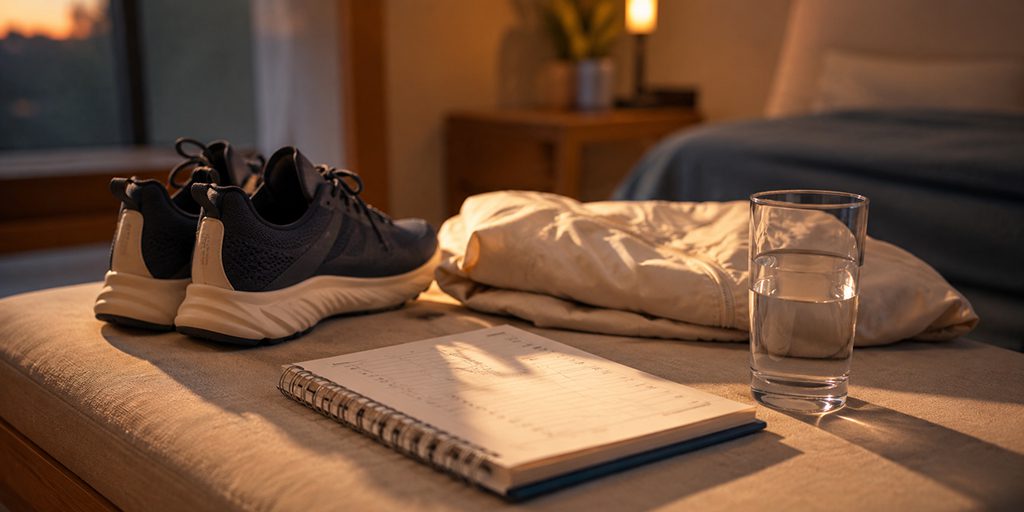
Why “Try Harder” Is Not Always the Answer
When a wellness plan is not working, many people assume they need more discipline. Sometimes that is true. But sometimes the plan itself needs to change.
If someone is exhausted, overwhelmed, or struggling with low energy, asking them to add more tasks may only create more frustration. A better approach is to build a plan that supports consistency instead of demanding perfection.
That may include nutrition changes, easier movement goals, sleep support, stress management, and provider-guided options such as Lipo-B and B12 energy support when appropriate.
FAQ
Can low energy make it harder to lose weight or stay consistent?
Yes, low energy can make it harder to stay consistent with movement, meal planning, hydration, and daily wellness habits. It does not mean weight loss is impossible, but it may mean the plan needs to be adjusted. A provider can help evaluate fatigue patterns and recommend a more realistic approach.
What is Lipo-B + B12 used for?
Lipo-B + B12 may be used in wellness programs to support energy metabolism, nutrient support, and consistency with healthy routines. It is not a weight loss shortcut or a replacement for nutrition, movement, or medical care. Whether it is appropriate depends on the person’s symptoms, goals, and provider recommendations.
How do I know if I am unmotivated or just tired?
Low motivation often feels like a lack of interest or connection to the goal. Low energy often feels like wanting to follow through but not having the physical or mental energy to do it. Many people experience both. If fatigue is ongoing or disruptive, it is worth discussing with a provider.
Does B12 give everyone more energy?
Not necessarily. B12 support may be helpful for certain people, especially when there is a need for nutrient support. But it does not work the same way for everyone, and it should not be treated like a guaranteed energy boost. A provider can help determine whether B12 support makes sense.
Can Trava help create an energy-aware wellness plan?
Yes. Trava takes a provider-guided approach that looks at symptoms, habits, goals, and real-life barriers. If low energy is affecting your consistency, Trava can help explore supportive options and build a plan that feels more realistic for your daily life.
Create an Energy-Aware Wellness Plan With Trava
You do not have to blame yourself every time a wellness routine falls apart. Sometimes the plan needs to better match your energy, schedule, and real life.
Trava helps patients build provider-guided wellness plans that consider symptoms, habits, goals, and supportive treatment options when appropriate. If fatigue is getting in the way of your follow-through, an energy-aware approach may help you move forward with more clarity and consistency.
Disclaimer: TRAVA is not affiliated with, Mounjaro, Ozempic, Rybelsus, Saxenda, Trulicity, Wegovy, or Zepbound. However, we do offer alternatives such as Semaglutide and Tirzepatide. Before beginning any treatment, it's essential to consult with a licensed healthcare provider to ensure the best approach for your individual health needs.