
If you are considering Lipo-C as part of a wellness routine, nutrition is still an important part of the bigger picture. Lipo-C meal planning is less about following a perfect diet and more about creating a realistic routine you can repeat. Lipo-C Meal Planning: How Nutrition and Routine Work Together looks at how balanced meals, hydration, movement, and provider-guided wellness support can work together without relying on quick fixes.
Quick Answer
While using Lipo-C for wellness support, focus your meal planning on simple, consistent habits rather than a restrictive diet. Build meals around protein, fiber-rich foods, balanced carbohydrates, healthy fats, and regular hydration. Lipo-C does not replace healthy nutrition or movement. A licensed provider can help you understand how Lipo-C meal planning and other lifestyle habits may fit your individual wellness goals.
Key Takeaways
- Lipo-C should be viewed as one part of a broader wellness routine, not a replacement for balanced nutrition or regular movement.
- A simple meal-planning structure can make healthy choices easier to repeat throughout the week.
- Protein, fiber-rich foods, balanced carbohydrates, healthy fats, and hydration can all play a role in a well-rounded eating routine.
- Consistency is usually more practical than trying to follow an overly restrictive or complicated eating plan.
- Movement can complement nutrition by helping create a more complete metabolic wellness routine.
- Provider guidance matters because wellness goals, health history, medications, and individual needs can vary.
Personalized Compounded Lipo C
Looking for anti-aging solutions? Start your free assessment now!
Why Nutrition and Routine Matter With Lipo-C
It can be tempting to think of a wellness treatment as the main part of a plan. In practice, treatments and healthy routines often make more sense when they are viewed together.
For someone exploring Lipo-C, meal planning creates structure around everyday choices. Instead of deciding what to eat every time hunger hits, you can create a basic framework that makes balanced meals easier to put together.
That does not mean every meal needs to be carefully measured or prepared days in advance. Meal planning can be as simple as knowing which proteins, vegetables, fruits, grains, and other foods you want available during the week.
The goal is a routine you can realistically maintain.
What Is Lipo-C Used For?
Lipo-C is commonly discussed as a provider-guided wellness option for people interested in metabolic wellness, energy support, and maintaining healthy routines.
It should not be viewed as a guaranteed fat-loss treatment or a shortcut around nutrition and physical activity. Individual experiences can vary, which is why personal goals and health history should be discussed with a qualified healthcare provider.
For some adults, Lipo-C may be one component of a broader wellness plan that also includes nutrition, hydration, sleep, movement, and ongoing provider support.
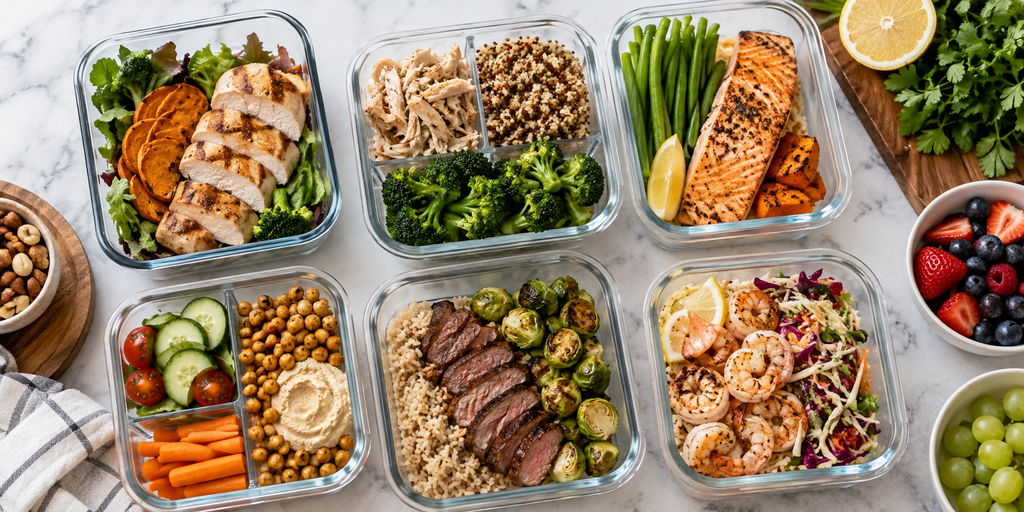
How to Build a Lipo-C Meal Planning Routine
The most useful meal plan is often the one that removes unnecessary decisions from your day.
You do not necessarily need a detailed seven-day menu. Instead, start with a few dependable foods in each category and combine them in different ways.
Start With a Protein Source
Protein can help give meals structure and make it easier to build a balanced plate.
Examples may include:
- Eggs
- Greek yogurt
- Chicken or turkey
- Fish
- Lean meats
- Tofu or tempeh
- Beans or lentils
- Cottage cheese
Choose options that fit your preferences, dietary needs, and provider recommendations.
Add Fiber-Rich Foods
Fruits, vegetables, whole grains, beans, seeds, and other fiber-containing foods can help create a more complete eating pattern.
Rather than trying to completely overhaul your diet at once, look for simple additions. You might add berries to breakfast, vegetables to lunch, or beans to a dinner you already enjoy.
Small changes are often easier to repeat.

Include Carbohydrates That Fit Your Routine
Carbohydrates do not need to disappear from a metabolic wellness plan.
Foods such as oats, potatoes, fruit, rice, whole-grain bread, and other grains can be part of balanced meals. Portion needs and food choices can vary based on your activity level, health goals, and individual needs.
If you have questions about carbohydrate intake or specific medical considerations, discuss them with your provider or a qualified nutrition professional.
Include Healthy Fats
Foods such as nuts, seeds, avocado, olive oil, and nut butters can add flavor, texture, and variety to meals.
The goal is not to create a list of foods you are required to eat. It is to build meals from a range of foods that make sense for your lifestyle.
Plan for Hydration
Hydration is easy to overlook when focusing on food.
Keeping water available during the day, drinking with meals, and creating simple hydration reminders can make the habit easier to maintain.
Your individual hydration needs may vary based on activity, climate, medications, and health conditions, so provider guidance may be helpful if you have specific concerns.
A Simple Meal Planning Framework
You can use a basic structure instead of planning every meal from scratch.
| Part of Your Routine | What to Consider |
|---|---|
| Protein | Choose a protein source that fits the meal and your preferences |
| Produce | Include fruit or vegetables for variety and a more balanced plate |
| Carbohydrates | Choose portions and foods that fit your needs, activity, and goals |
| Healthy fats | Add foods such as nuts, seeds, avocado, or other preferred options |
| Hydration | Keep water or other appropriate fluids easy to access |
| Planning | Prepare a few dependable options so every meal does not require a new decision |
This framework is intentionally flexible. Your meal plan should work with your schedule rather than turning eating into another complicated task.
How Do Meal Planning and Movement Work Together?
Nutrition and movement can support the same broader goal: creating a routine you can consistently follow.
That does not mean every day requires an intense workout. Movement may include walking, resistance training, recreational activities, mobility work, or other forms of activity that are appropriate for you.
Meal planning can also make activity days easier to navigate. When food is already available, you may be less likely to reach the end of a busy day without a practical meal option.
The best approach depends on your current health, fitness level, goals, and provider recommendations.
How Lipo-C May Fit Into Provider-Guided Wellness
Provider-guided care means that a licensed healthcare professional considers your health history, goals, medications, current treatments, and other relevant information before recommending a plan.
Lipo-C should be considered within that larger context.
A provider conversation may help clarify what you hope to accomplish and whether your current habits support those goals. It also gives you an opportunity to discuss questions about nutrition, activity, treatment expectations, and other wellness options.
TRAVA is a modern telehealth and wellness brand focused on provider-guided support. Telehealth allows eligible patients to connect with licensed providers remotely, making it possible to discuss wellness goals and appropriate options without relying on a one-size-fits-all approach.
What to Consider Before Starting
Before adding Lipo-C or another wellness treatment to your routine, think about the complete picture rather than focusing only on the treatment itself.
Consider discussing:
- Your main wellness goals
- Your current eating habits
- Your typical activity level
- Your sleep routine
- Medications and supplements you currently use
- Other wellness treatments you are considering or already using
- Any symptoms or health concerns that deserve medical evaluation
- What realistic progress would look like for you
This information can give your provider more context when reviewing your options.
It can also help you identify areas where simplifying your routine may be more useful than adding more rules.
Does Lipo-C Replace Healthy Habits?
No. Lipo-C should not be treated as a replacement for nutrition, hydration, movement, sleep, or other foundational wellness habits.
Wellness treatments may be considered as part of a broader plan, but they do not remove the importance of everyday routines.
This is also why extreme diet changes are not automatically better. A complicated plan may look impressive on paper but provide little value if it is difficult to maintain.
A more practical approach is to build routines you can repeat, evaluate how they are working, and discuss adjustments with your provider when needed.
Questions to Ask Your Provider
If you are considering Lipo-C, useful questions may include:
- What role could Lipo-C play in my overall wellness plan?
- Are my current medications, supplements, or health conditions relevant to whether Lipo-C is appropriate for me?
- What should I realistically expect from Lipo-C?
- Are there side effects or reactions I should understand?
- What nutrition habits would you recommend alongside my wellness plan?
- What type of movement is appropriate for my current health and goals?
- How should we evaluate whether my wellness routine needs to change over time?
Writing down your questions before an appointment can make it easier to cover the topics that matter most to you.
Lipo-C Meal Planning FAQs
What foods support metabolic wellness?
There is no single food that creates metabolic wellness on its own. A balanced eating pattern may include protein, vegetables, fruit, whole grains, beans, healthy fats, and other nutrient-rich foods that fit your needs and preferences. Your individual nutrition needs may vary, particularly if you have medical conditions or take medications that affect your diet.
Does Lipo-C help with weight loss?
Lipo-C should not be presented as a treatment that guarantees weight loss or specific changes in body weight. It may be discussed as part of provider-guided wellness support, but nutrition, movement, sleep, health history, and other factors remain important. Talk with a licensed provider about your goals and what options may be appropriate for you.
Do I need a special diet while using Lipo-C?
A highly restrictive or specialized diet is not automatically required simply because Lipo-C is part of your wellness routine. A practical approach is to focus on balanced meals, hydration, consistency, and foods that fit your nutritional needs. Your provider can help determine whether your health history creates any additional dietary considerations.
How often should I meal plan?
Meal planning does not have to happen on a strict schedule. Some people plan several days at once, while others simply keep a few dependable breakfast, lunch, dinner, and snack options available. The best schedule is one that reduces daily decision-making without creating unnecessary stress or complexity.
What habits should support a Lipo-C routine?
Think beyond food alone. Balanced nutrition, hydration, appropriate physical activity, adequate sleep, and consistent follow-up with your provider can all be part of a broader wellness routine. Lipo-C may fit into that plan as provider-guided support, but it should not replace the habits that help create day-to-day consistency.
Conclusion
Lipo-C meal planning does not require a perfect menu or an extreme nutrition strategy. A more realistic approach is to create a flexible structure around balanced meals, hydration, movement, and other habits you can consistently maintain.
Lipo-C may be one part of that broader wellness routine, but it does not replace healthy habits or individualized medical guidance.
If you are interested in exploring Lipo-C, TRAVA can help you connect with provider-guided wellness support and learn how available options may fit into your broader routine and personal goals.
Disclaimer: TRAVA is not affiliated with, Mounjaro, Ozempic, Rybelsus, Saxenda, Trulicity, Wegovy, or Zepbound. However, we do offer alternatives such as Semaglutide and Tirzepatide. Before beginning any treatment, it's essential to consult with a licensed healthcare provider to ensure the best approach for your individual health needs.