
Memorial Day weekend often brings travel, cookouts, changing schedules, and less structure. That does not mean your wellness progress disappears. Learning how to stay on track when the schedule changes can help you maintain momentum without feeling restricted or overwhelmed.
Long weekends can interrupt routines, but flexibility is often more effective than perfection. Instead of trying to follow an unrealistic plan, simple habits like hydration, movement, sleep support, and mindful choices can help you stay consistent while still enjoying the holiday.
Memorial Day and the Pressure to “Stay Perfect”
Memorial Day weekend marks the unofficial start of summer for many people. Travel plans increase. Social events fill calendars. Work schedules shift. Healthy routines often become less predictable.
This is where many people struggle.
Some people approach holiday weekends with an all-or-nothing mindset. They feel pressure to stay perfectly on plan or assume they have failed if their routine changes. That mindset can create unnecessary stress and make it harder to return to healthy habits afterward.
The reality is much simpler. One weekend does not erase long-term progress.
A sustainable wellness routine should allow room for real life. Flexibility is not failure. In many cases, it is one of the most important parts of long-term consistency.
Why Flexibility Helps You Stay Consistent
Rigid routines often break during busy weekends
Strict plans can work temporarily, but holidays often expose how difficult rigid routines can be to maintain.
Travel delays, restaurant meals, late nights, and family events can disrupt normal schedules. When people expect perfection, even small changes can feel like setbacks.
A more flexible mindset helps reduce that pressure.
Instead of focusing on doing everything perfectly, focus on maintaining a few core habits that support your overall wellness goals.
Examples include:
- Staying hydrated
- Prioritizing sleep when possible
- Keeping protein intake balanced
- Taking short walks or staying active
- Returning to normal routines without guilt
These small actions help create consistency even when schedules change.
Wellness progress is built over time
Long-term wellness is shaped by repeated habits over months and years, not by one holiday weekend.
Many people
make the mistake of viewing wellness as a cycle of “being on track” and “starting over.” In reality, progress is usually more gradual and flexible.
A realistic wellness approach allows room for vacations, celebrations, travel days, and unexpected schedule changes.
That balance often leads to better long-term adherence and a healthier relationship with wellness goals.
Personalized Compounded NAD+
Looking for anti-aging solutions? Start your free assessment now!
Planning for Schedule Disruptions Before the Weekend
Simple preparation can reduce stress
You do not need an extreme plan to navigate a holiday weekend successfully. A few small adjustments ahead of time can make the weekend feel more manageable.
Helpful strategies include:
- Packing water and healthy snacks for travel
- Scheduling short movement breaks
- Prioritizing sleep before travel days
- Keeping wellness products organized and accessible
- Avoiding the mindset that every meal must be “perfect”
Small preparations often create more flexibility later.
Travel routines do not need to be complicated
Travel can make healthy routines feel harder, especially when schedules change quickly.
Instead of trying to replicate your normal routine exactly, focus on maintaining the basics.
For example:
| Wellness Goal | Flexible Holiday Approach |
|---|---|
| Hydration | Carry a reusable water bottle |
| Movement | Take short walks during travel or events |
| Nutrition | Focus on balance instead of restriction |
| Recovery | Prioritize sleep when possible |
| Routine consistency | Return to regular habits after the weekend |
This approach keeps wellness realistic and sustainable.
How to Stay Flexible Without Losing Momentum
Avoid the “all-or-nothing” mindset
One of the biggest mistakes people make during holidays is assuming a single off-plan meal or missed workout means they failed.
That thinking often creates a cycle of guilt and overcorrection.
Instead, view the weekend as part of normal life.
You can enjoy social events, travel, and celebrations while still supporting your wellness goals overall.
Flexibility helps reduce stress and encourages consistency.
Focus on supportive habits
Even during busy weekends, small habits can make a meaningful difference.
Helpful habits may include:
Staying hydrated
Warm weather, travel, alcohol, and busy schedules can increase dehydration risk during Memorial Day weekend.
Hydration supports energy, recovery, and overall wellness.
Simple reminders like carrying a water bottle or drinking water between meals can help maintain consistency.
Supporting sleep and recovery
Late nights and changing schedules can affect sleep quality.
Even if your routine shifts temporarily, focusing on recovery afterward can help you feel more balanced heading into the next week.
That may include:
- Returning to a normal sleep schedule
- Limiting excessive alcohol intake
- Staying hydrated
- Taking time to recover physically and mentally
Keeping movement simple
Not every workout needs to be intense.
Walking, stretching, swimming, or staying generally active throughout the weekend may help support consistency without creating unnecessary pressure.
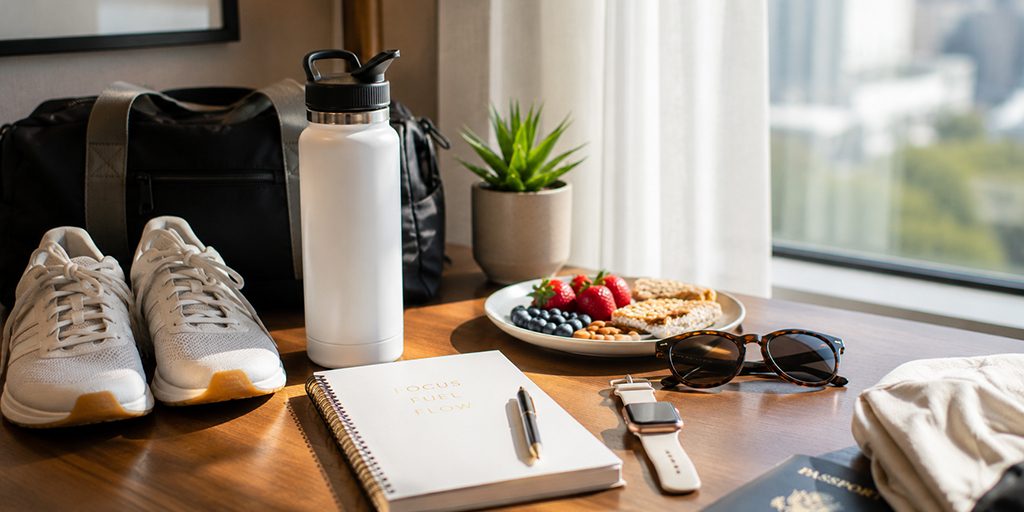
Recovery and Energy Support During Busy Weekends
Why recovery matters after travel and schedule changes
Busy weekends can leave people feeling physically drained or mentally disconnected from their routines.
Recovery strategies can help support energy and consistency afterward.
Many wellness-focused individuals prioritize:
- Hydration
- Balanced nutrition
- Sleep quality
- Stress management
- Recovery-focused wellness support
The goal is not to “undo” the weekend. The goal is simply to help your body transition back into routine more comfortably.
NAD+ and wellness recovery support
Some individuals explore provider-guided wellness options like NAD+ support as part of broader recovery and wellness routines.
NAD+ is a coenzyme involved in cellular energy production and metabolic processes within the body. Interest in NAD+ has grown in wellness and longevity conversations because of its role in supporting cellular function and energy metabolism.
People may explore NAD+ support for goals related to:
- Energy support
- Recovery routines
- Wellness optimization
- Healthy aging support
As with any wellness treatment, provider guidance and individualized care remain important.
How to Reset After Memorial Day Weekend
You do not need to “start over”
One of the most important reminders after a holiday weekend is this:
You are not starting from zero.
A single weekend does not erase your progress.
Many people return from holidays feeling like they need extreme workouts, restrictive eating plans, or aggressive resets. In reality, returning to normal routines gradually is often more sustainable.
Focus on consistency instead of punishment
Healthy routines work best when they are realistic and repeatable.
After the weekend:
- Resume regular meals
- Re-establish hydration habits
- Prioritize sleep
- Return to movement gradually
- Avoid guilt-driven decisions
This approach supports long-term momentum without creating unnecessary stress.
Building a Sustainable Wellness Mindset
Real life includes schedule changes
The most sustainable wellness routines are designed to work with real life, not against it.
Holidays, travel, celebrations, and busy schedules will always happen. Flexibility allows you to adapt without feeling like you failed.
That mindset often creates:
- Better consistency
- Less stress around wellness
- More realistic expectations
- Improved long-term adherence
Small habits still matter
Even during busy weekends, small habits can help maintain momentum.
You do not need perfect meals, perfect workouts, or perfect schedules.
You simply need enough consistency to keep moving forward.

Frequently Asked Questions
How do I stay on track during Memorial Day weekend?
Focus on flexibility instead of perfection. Prioritize simple habits like hydration, movement, sleep, and balanced meals. A holiday weekend does not require extreme restriction to maintain progress.
Can one holiday weekend ruin wellness progress?
No. Long-term wellness progress is built over time through repeated habits. A single weekend typically has far less impact than people assume. Returning to normal routines afterward is usually the most effective approach.
What are simple wellness habits for travel weekends?
Helpful habits include drinking enough water, staying active with walking or stretching, prioritizing sleep, and maintaining balanced meals when possible. Small habits can support consistency during busy schedules.
What is NAD+ commonly used for in wellness routines?
NAD+ is often discussed in wellness and longevity conversations because of its role in cellular energy production. Some individuals explore provider-guided NAD+ support for energy, recovery, and wellness optimization goals.
Why is flexibility important for long-term wellness?
Flexible routines are often easier to maintain over time. Real life includes travel, holidays, and changing schedules. Flexibility helps people stay consistent without feeling like temporary
Conclusion
Memorial Day weekend does not have to derail your progress. Flexible wellness routines often create more sustainability than rigid rules ever could.
The goal is not perfection. The goal is consistency over time.
Small habits, realistic expectations, and supportive recovery strategies can help you maintain momentum while still enjoying life’s schedule changes.
TRAVA supports wellness through every season of life, including the busy weekends, travel days, and routine shifts that come with real-world living.
Disclaimer: TRAVA is not affiliated with, Mounjaro, Ozempic, Rybelsus, Saxenda, Trulicity, Wegovy, or Zepbound. However, we do offer alternatives such as Semaglutide and Tirzepatide. Before beginning any treatment, it's essential to consult with a licensed healthcare provider to ensure the best approach for your individual health needs.