
Colorado has always attracted people who care about how they feel. From trail runners in Boulder to weekend hikers near Colorado Springs, the state rewards those who invest in their health. Denver's fitness culture and the broader CO emphasis on outdoor recreation make it a natural fit for people exploring new approaches to weight management and metabolic health. GLP-1 medications have become a significant part of that conversation. These prescription therapies, originally developed for type 2 diabetes, now play a growing role in structured weight loss and long-term wellness. Understanding how GLP-1 medications support wellness goals in Colorado starts with knowing what they do, who they're for, and how telehealth has made access far more practical across the state.
GLP-1 Medications in CO
What GLP-1 Medications Actually Do
GLP-1 receptor agonists mimic a hormone your body already produces. That hormone, glucagon-like peptide-1, signals your brain to reduce appetite and helps regulate blood sugar after meals. Medications like semaglutide and tirzepatide amplify this natural process.
The result is a measurable reduction in hunger and caloric intake. For many patients, this creates the caloric deficit needed for sustained weight loss without the constant willpower struggle that derails most diets. These aren't shortcuts. They're clinically studied therapies prescribed by licensed providers.
Tirzepatide works on two receptors instead of one, targeting both GLP-1 and GIP pathways. This dual mechanism has shown strong results in clinical trials, with some patients losing 15% or more of their body weight over the course of treatment. Semaglutide, the active ingredient in well-known brand-name medications, remains one of the most widely prescribed options in this class.
Why Colorado Residents Are Paying Attention
CO residents tend to be more active than the national average. The state consistently ranks among the lowest in obesity rates. Yet that doesn't mean weight management is simple here. Altitude, seasonal shifts, and demanding outdoor lifestyles create unique metabolic pressures.
A trail runner in Boulder dealing with stubborn weight gain after 40 faces different challenges than someone sedentary. A busy professional in Denver juggling 60-hour weeks may eat well but still struggle with metabolic changes tied to stress, sleep disruption, or aging. GLP-1 therapies can complement an already active lifestyle by addressing the biological factors that diet and exercise alone can't always fix.
Colorado Springs residents training at elevation burn significant calories. But hormonal shifts, particularly around midlife, can stall progress regardless of effort. That's where a clinician-guided approach to GLP-1 therapy becomes valuable. It's not about replacing good habits. It's about removing barriers that prevent those habits from producing results.
Personalized Compounded GLP-1
Looking for Semaglutide or Tirzepatide? Start your free assessment now!
Telehealth Access Across CO
Geography used to be a barrier for specialty care in Colorado. Mountain communities, rural areas, and even busy metro residents often found it difficult to schedule in-person consultations for weight management. Telehealth has changed that equation entirely.
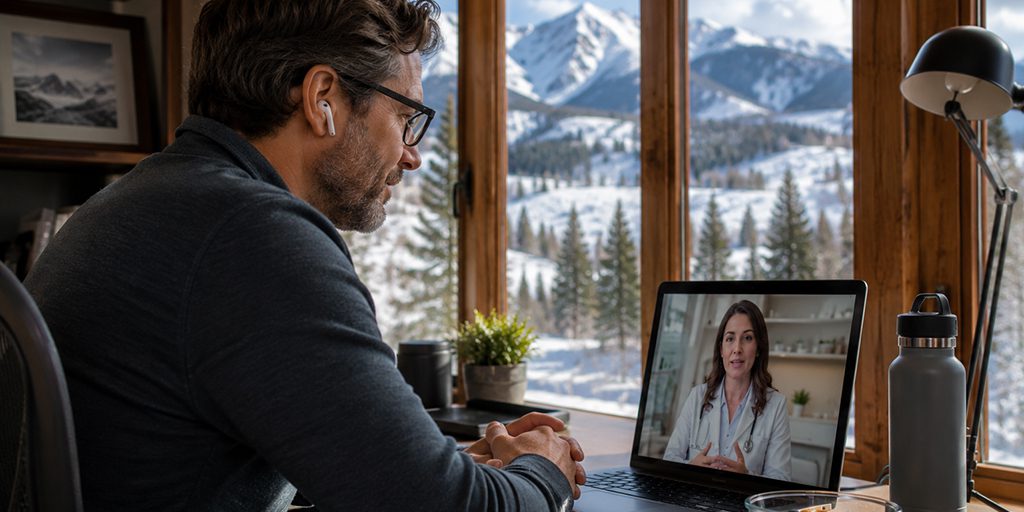
Licensed telehealth providers now offer GLP-1 consultations to patients across CO without requiring an office visit. You complete a medical intake, speak with a clinician, and receive a prescription shipped directly to your door if you're a good candidate. The entire process respects your time while maintaining clinical standards.
Trava operates in this space as a clinician-guided telehealth company with pharmacy oversight and transparent pricing. Their model is built around real clinician consultations, not algorithm-driven auto-approvals. You speak with a licensed provider who reviews your history, discusses your goals, and determines whether semaglutide or tirzepatide is appropriate for your situation.
This matters because responsible prescribing protects patients. Not everyone is a candidate for GLP-1 therapy. Certain cardiac conditions, a history of medullary thyroid carcinoma, or pancreatitis may disqualify someone. A structured telehealth provider screens for these factors before writing a prescription.
Fitting GLP-1 Therapy Into an Active Lifestyle
One concern Colorado residents raise is whether GLP-1 medications will interfere with their active routines. The short answer: they shouldn't, and for many people, they actually help.
Reduced appetite doesn't mean reduced energy when the medication is dosed correctly and paired with adequate nutrition. Many patients report feeling lighter, more motivated, and better able to maintain their exercise routines. The key is working with a provider who understands your activity level and adjusts your plan accordingly.
Protein intake becomes especially important on GLP-1 therapy. Because these medications reduce overall appetite, you need to be intentional about eating enough protein to preserve muscle mass. This is critical for anyone hiking fourteeners, skiing, cycling, or strength training. A good provider will discuss nutritional strategies alongside the prescription itself.
Hydration is another factor at Colorado's altitude. GLP-1 medications can cause mild nausea in early weeks, and dehydration makes that worse. Staying ahead of fluid intake, especially above 5,000 feet, helps minimize side effects and keeps you performing well outdoors.
Beyond Weight Loss: Metabolic Health and Longevity
GLP-1 medications aren't just about the number on the scale. Research continues to reveal cardiovascular benefits, improved insulin sensitivity, and potential neuroprotective effects. For Colorado residents focused on longevity and aging well, these broader health implications matter.
Trava's approach reflects this broader view. Their model extends beyond a single prescription, incorporating clinical guidance aimed at long-term metabolic health. This aligns with what many CO residents already value: not just looking fit, but actually being healthy from the inside out.
People in the 35-to-65 age range often seek GLP-1 therapy not for dramatic weight loss but for metabolic recalibration. They want better bloodwork, improved energy, and a body composition that supports the activities they love. That's a fundamentally different goal than crash dieting, and it requires a fundamentally different medical approach.
What Responsible Prescribing Looks Like
The telehealth space has its share of providers who prioritize volume over quality. Some platforms auto-approve patients with minimal oversight. Others advertise aggressively low prices but add hidden fees for consultations, shipping, or dosage adjustments.
A responsible provider operates differently. Licensed clinicians review each case individually. Pharmacy partners maintain quality controls and batch testing. Pricing is straightforward, with no surprise add-ons or membership traps. You know what you're paying before you commit.
This distinction matters for your safety and your results. Proper titration, meaning the gradual increase of your dose over time, reduces side effects and improves outcomes. A provider who rushes you to a high dose without monitoring isn't practicing good medicine. Look for structured protocols and clear communication at every step.

Frequently Asked Questions
Are GLP-1 medications safe for people who exercise regularly?
Yes, GLP-1 medications are generally safe for active individuals when prescribed and monitored by a licensed clinician. Most patients maintain their exercise routines without issue. The primary adjustment involves ensuring adequate protein and calorie intake to support physical activity. Your provider should tailor your dosing schedule and nutritional guidance to match your activity level, whether you're a casual hiker or a competitive athlete.
Can I get GLP-1 medications through telehealth in Colorado?
Absolutely. Telehealth platforms with licensed providers can prescribe GLP-1 medications to patients throughout CO. You'll complete a medical intake, consult with a clinician via video or phone, and receive your medication by mail if approved. This model serves residents in Denver, Boulder, Colorado Springs, and rural communities equally. Trava is one example of a telehealth company offering this service with clinical oversight and pharmacy quality controls.
How long does it take to see results with semaglutide or tirzepatide?
Most patients notice appetite changes within the first one to two weeks. Measurable weight loss typically begins within the first month, with more significant results appearing over three to six months. Individual timelines vary based on starting weight, dosage, diet, and activity level. Consistent follow-up with your provider helps ensure your dose is adjusted appropriately as you progress.
What side effects should I expect?
The most common side effects are gastrointestinal: nausea, constipation, and occasional diarrhea. These tend to be mild and often decrease as your body adjusts to the medication. Starting at a lower dose and titrating up gradually minimizes discomfort. Staying hydrated is especially important for Colorado residents at higher elevations, where dehydration can intensify these effects.
Do I need insurance to access GLP-1 therapy?
No. Many telehealth providers, including Trava, offer self-pay options with transparent pricing. Insurance coverage for GLP-1 medications varies widely, and many plans still don't cover them for weight management. Self-pay models give you access without navigating prior authorizations or coverage denials. Clear pricing upfront means you know exactly what to expect financially before starting treatment.
Conclusion
GLP-1 medications have earned their place in the wellness conversation across Colorado. For residents who already prioritize active living, these therapies address the biological factors that effort alone can't always overcome. The expansion of telehealth across CO has made responsible access practical, whether you're in downtown Denver or a mountain town two hours from the nearest clinic.
Trava's clinician-guided model offers one path forward for those considering GLP-1 therapy. With licensed providers, pharmacy oversight, and pricing that doesn't hide behind fine print, it represents the kind of structured care that produces real, lasting progress. Your health goals deserve more than a quick transaction. They deserve a provider who stays present beyond the prescription.
If you're exploring whether semaglutide or tirzepatide fits your goals, start with a consultation. Ask questions. Expect clear answers. That's how good care should feel.
Disclaimer: TRAVA is not affiliated with, Mounjaro, Ozempic, Rybelsus, Saxenda, Trulicity, Wegovy, or Zepbound. However, we do offer alternatives such as Semaglutide and Tirzepatide. Before beginning any treatment, it's essential to consult with a licensed healthcare provider to ensure the best approach for your individual health needs.