
Living in Hawaii offers a unique relationship with wellness. The islands encourage movement, fresh food, and time outdoors. Yet access to specialized medical care can feel limited, especially for residents outside Honolulu. If you're in Hilo, Kailua, or a smaller community on a neighbor island, finding a local provider who prescribes GLP-1 medications isn't always straightforward.
That's where understanding your options becomes essential. GLP-1 medications have become a significant part of weight management and metabolic health across the U.S., and Hawaii is no exception. Whether you're exploring these treatments for the first time or trying to find a reliable provider in HI, knowing how access works here - including telehealth pathways - can save you time, money, and frustration. Your island lifestyle already supports healthy habits. The right medical support can build on that foundation.
GLP-1 Medications in HI
What Are GLP-1 Medications?
GLP-1 receptor agonists are a class of medications originally developed for type 2 diabetes. They mimic a natural hormone called glucagon-like peptide-1, which your body produces after eating. This hormone signals your brain to feel full, slows stomach emptying, and helps regulate blood sugar.
The two most widely discussed GLP-1 medications in 2026 are semaglutide and tirzepatide. Semaglutide is the active ingredient in brand-name drugs like Ozempic and Wegovy. Tirzepatide, found in Mounjaro and Zepbound, targets both GLP-1 and GIP receptors, offering a dual mechanism. Both have shown significant results in clinical trials for weight reduction and metabolic improvement.
These aren't shortcuts. They work best alongside dietary changes, physical activity, and ongoing clinical guidance. A prescription alone won't produce lasting results without the behavioral and lifestyle components that support long-term progress.
How They Work in Your Body
GLP-1 medications are typically administered as weekly injections. Once injected, the medication circulates and binds to receptors in your brain, pancreas, and gut. The effect is a reduced appetite, improved insulin sensitivity, and slower digestion.
Most patients notice appetite changes within the first few weeks. Dosing usually starts low and increases gradually over several months. This titration process helps minimize side effects and allows your provider to monitor your response carefully.
Side effects can include nausea, constipation, and fatigue, particularly during dose increases. These tend to diminish as your body adjusts. Your prescribing clinician should check in regularly to assess tolerability and make adjustments as needed.
Personalized Compounded GLP-1
Looking for Semaglutide or Tirzepatide? Start your free assessment now!
Why Access in Hawaii Presents Unique Considerations
Hawaii's geography creates real barriers to healthcare. If you live on Maui, the Big Island, or Kauai, specialist appointments often mean a flight to Honolulu. That's expensive and time-consuming. Even within Oahu, wait times for endocrinologists and obesity medicine specialists can stretch weeks or months.
Pharmacy availability is another factor. Smaller communities may not stock specialty medications consistently. Supply chain disruptions that affect the mainland hit island pharmacies harder due to shipping logistics. This has been especially true with high-demand medications like semaglutide, where shortages have created unpredictable availability.
Cost is a concern too. Many insurance plans in HI cover GLP-1 medications for diabetes but not for weight management. That leaves a significant number of patients paying out of pocket. Transparent pricing matters here - you don't want surprise fees stacked on top of an already expensive medication.
Telehealth as a Practical Solution
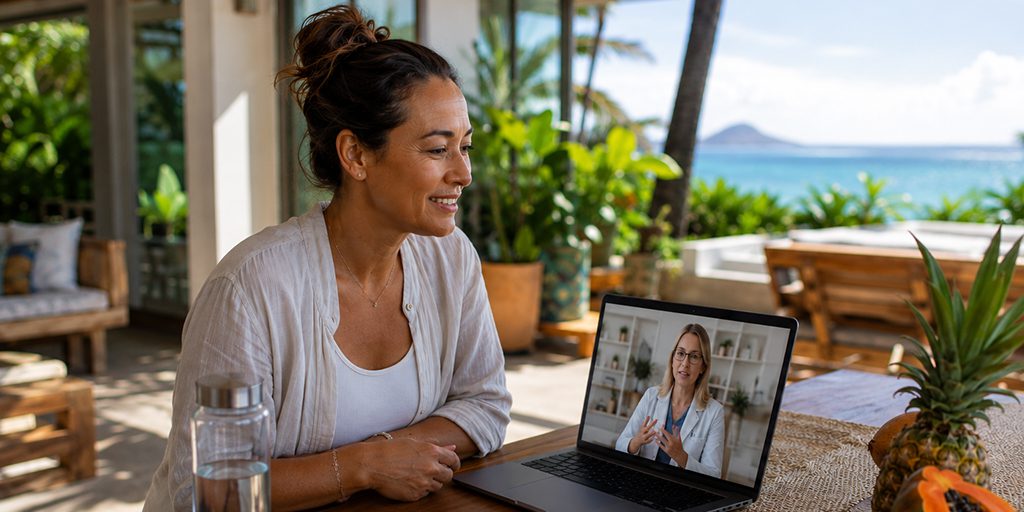
Telehealth has changed the equation for patients in Hawaii. You don't need to fly to Honolulu for an initial consultation or a follow-up appointment. Licensed providers can evaluate you, review your medical history, and prescribe appropriate treatments through secure video visits.
This model works particularly well for GLP-1 prescriptions because the treatment protocol is structured and predictable. After an initial evaluation, most follow-ups involve reviewing your weight trends, side effects, and dosing schedule. These conversations translate well to a virtual format.
Trava is one example of a clinician-guided telehealth company that serves patients in HI. Their model pairs licensed providers with direct pharmacy oversight, which means your prescription, fulfillment, and clinical check-ins are coordinated through one system. For patients in Hilo or Kailua who don't have a local obesity medicine specialist, this kind of structured access matters.
The key is choosing a telehealth provider that operates with real clinical protocols. Not every online service maintains the same standards. Look for licensed clinicians, clear dosing guidelines, pharmacy quality controls, and responsive support teams. Those elements separate responsible care from convenience-only platforms.
Fitting GLP-1 Treatment into Island Life
Hawaii's lifestyle already supports many of the habits that complement GLP-1 therapy. Fresh fish, local produce, and year-round opportunities for outdoor activity create a strong foundation. The medication can help reduce the appetite signals that work against your goals, while your environment supports the rest.
Weekly injections fit easily into a routine. Most patients choose a consistent day each week and administer the injection at home. There's no need for clinic visits for the injection itself. Storage requires refrigeration, so keep your medication properly stored, especially if you're traveling between islands.
Hydration is critical in Hawaii's warm climate, and GLP-1 medications can sometimes contribute to dehydration through reduced food and fluid intake. Pay attention to your water consumption. If you're active outdoors - surfing, hiking, paddling - you'll want to be especially mindful of this.
Protein intake also deserves attention. These medications reduce appetite broadly, which can lead to insufficient protein consumption if you're not deliberate about your meals. Work with your provider or a nutritionist to ensure your diet supports muscle preservation alongside fat loss.
Choosing the Right Provider
Not all GLP-1 prescribers are equal. Some online services prioritize speed over safety, offering prescriptions with minimal evaluation. That's a red flag. Responsible prescribing involves reviewing your full medical history, checking for contraindications, and establishing a clear treatment plan with defined check-in points.
Trava's approach reflects what responsible telehealth should look like: licensed clinicians, batch-tested medications through pharmacy partnerships, straightforward pricing, and support teams that answer questions without deflection. Their model is built around accountability rather than volume.
Ask potential providers these questions before starting treatment:
- Are your clinicians licensed in Hawaii?
- What pharmacy fulfills the prescriptions, and what quality controls are in place?
- What does the follow-up schedule look like?
- Is pricing transparent, with no hidden fees or membership traps?
- What happens if I experience side effects between appointments?
Your answers to these questions will tell you whether a provider is worth your trust.

Frequently Asked Questions
Are GLP-1 medications available through telehealth in Hawaii?
Yes. Several telehealth platforms serve patients across all Hawaiian islands. Licensed providers can conduct evaluations and prescribe GLP-1 medications through virtual consultations. This is especially helpful for residents outside Honolulu who may not have local specialists. Verify that any telehealth provider you consider employs clinicians licensed to practice in HI and follows established clinical protocols for prescribing.
How much do GLP-1 medications cost in Hawaii without insurance?
Costs vary depending on the specific medication and provider. Brand-name semaglutide and tirzepatide can run over $1,000 per month without insurance. Some telehealth providers, including Trava, offer compounded or alternative formulations at lower price points with transparent pricing structures. Always confirm the total cost upfront, including consultations, medication, and shipping. Hidden fees are common in this space, so ask directly before committing.
What side effects should I expect when starting GLP-1 therapy?
The most common side effects are gastrointestinal: nausea, constipation, diarrhea, and occasional stomach discomfort. These typically occur during dose increases and improve as your body adjusts over two to four weeks. Less common but more serious side effects can include pancreatitis and gallbladder issues. Report any severe or persistent symptoms to your prescribing clinician immediately. A gradual titration schedule helps reduce the intensity of early side effects.
Can I get GLP-1 medications on neighbor islands like Maui or the Big Island?
Absolutely. Telehealth eliminates the need to travel to Oahu for consultations. Medications can be shipped directly to your home, regardless of which island you live on. Shipping timelines may vary slightly for more remote areas, so plan ahead for refills. If you prefer picking up medications locally, check with pharmacies in your area about availability, as stock levels for high-demand GLP-1 drugs can fluctuate.
How long do patients typically stay on GLP-1 medications?
Treatment duration depends on your individual goals and medical profile. Many patients use GLP-1 medications for 12 months or longer. Some research suggests that stopping the medication can lead to weight regain if lifestyle changes haven't been fully established. Your clinician should discuss a long-term plan with you, including strategies for maintaining results if and when you discontinue the medication. This isn't a short-term fix. It's a tool within a broader health strategy.
Conclusion
GLP-1 medications represent a meaningful option for patients in Hawaii who are working toward better metabolic health and sustained weight management. The islands' geography creates real access challenges, but telehealth has made it possible to receive quality clinical care from anywhere in HI - whether you're in Honolulu, Kailua, or a rural community on the Big Island.
What matters most is the quality of care behind the prescription. Choosing a provider with licensed clinicians, transparent pricing, and genuine follow-up support makes the difference between a responsible treatment experience and a risky one. Trava's clinician-guided model was built around exactly these principles: real oversight, clear costs, and ongoing support that doesn't disappear after the first prescription.
If you're considering GLP-1 therapy, start by having an honest conversation with a licensed provider about your health history, your goals, and what a realistic treatment timeline looks like. Your island lifestyle already gives you advantages that most people on the mainland don't have. The right medical support can help you build on what's already working.
Disclaimer: TRAVA is not affiliated with, Mounjaro, Ozempic, Rybelsus, Saxenda, Trulicity, Wegovy, or Zepbound. However, we do offer alternatives such as Semaglutide and Tirzepatide. Before beginning any treatment, it's essential to consult with a licensed healthcare provider to ensure the best approach for your individual health needs.