
Many people are curious about telehealth but hesitate to take the first step. This skeptical to supported patient journey reflects a common experience among individuals exploring provider-guided weight loss, metabolic health, and wellness support. While every person's experience is unique, many find that trust grows through education, communication, and realistic expectations rather than quick promises.
A skeptical to supported patient journey often begins with questions about telehealth, treatment options, and whether personalized care is possible online. Over time, consistent communication, provider guidance, and realistic goal setting can help patients build confidence, stay engaged, and make meaningful progress toward their health and wellness goals.
Why Skepticism About Telehealth Is Understandable
Healthcare decisions are personal. Whether someone is exploring GLP-1 medications, metabolic health support, weight management programs, or other wellness services, it is normal to have concerns.
Many people wonder:
- Will I actually speak with qualified providers?
- Is telehealth as effective as in-person care?
- Will my questions be answered?
- Is this just another quick-fix program?
- How do I know if a treatment is right for me?
These questions are reasonable. In fact, many patients who eventually become strong advocates for telehealth begin their journey feeling uncertain.
The story below represents a composite patient experience based on common themes seen across modern telehealth care. It is not intended to represent any specific individual.
The Skeptical to Supported Patient Journey Begins
Looking for Answers but Unsure Where to Start
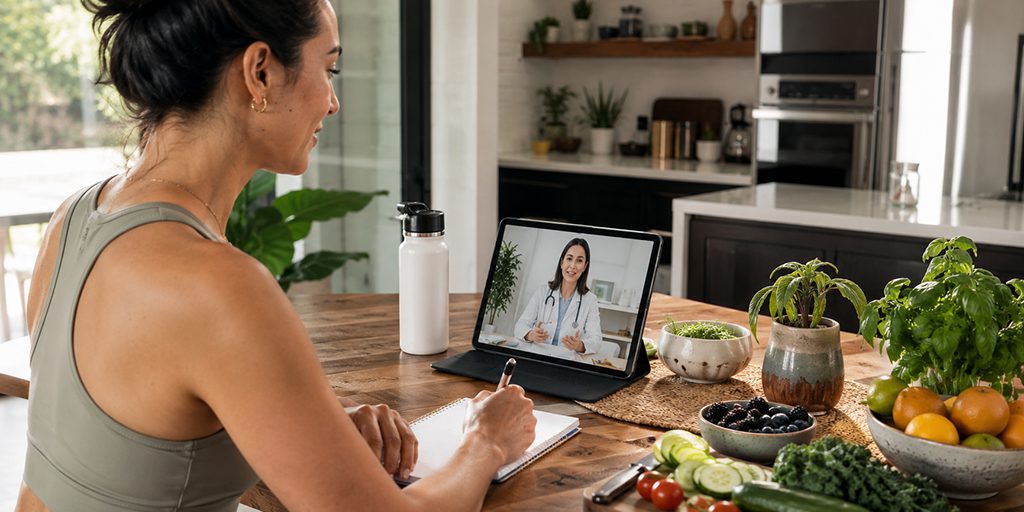
Meet Sarah, a fictional composite patient representing experiences many people share.
For years, Sarah had tried different approaches to improve her health. She had periods of success followed by periods where life became busy and priorities shifted. Like many adults, she balanced work, family responsibilities, stress, and limited time.
She started noticing several concerns:
- Lower energy throughout the day
- Difficulty maintaining healthy habits
- Increased frustration with previous approaches
- Feeling overwhelmed by conflicting health information online
When Sarah first learned about telehealth options, she was interested but cautious.
She had questions about safety, effectiveness, and whether virtual care could truly provide personalized support.
Taking the First Step
Instead of immediately committing to treatment, Sarah spent time learning.
She researched metabolic health, read educational content, reviewed frequently asked questions, and learned more about provider-guided wellness care.
What ultimately encouraged her to move forward was not the promise of dramatic results.
It was the opportunity to have a conversation with a healthcare professional who could evaluate her individual situation and help determine whether a treatment plan made sense for her goals.
Building Trust Through Education
One of the biggest turning points in this skeptical to supported patient journey was education.
Rather than receiving a one-size-fits-all recommendation, Sarah learned about:
- Her personal health history
- Lifestyle factors affecting her progress
- Treatment options that might be appropriate
- Potential benefits and limitations of those options
- Realistic timelines for improvement
This helped replace uncertainty with understanding.
Trust did not develop overnight. It grew through clear information and open communication.
Personalized Compounded GLP-1
Looking for Semaglutide or Tirzepatide? Start your free assessment now!
The First Months: Progress, Adjustments, and Learning
Real Progress Rarely Looks Perfect
One of the most common misconceptions about wellness programs is that progress follows a straight line.
In reality, most people experience ups and downs.
Sarah's first few months included positive changes, but also challenges.
There were weeks when she felt highly motivated and weeks when travel, work obligations, or social events disrupted her routines.
This is normal.
Sustainable wellness is rarely built through perfection.
Instead, it often comes from learning how to stay connected to goals even when life becomes unpredictable.
Understanding Treatment as One Tool
For some patients, provider-guided treatment plans may include options such as GLP-1 medications.
GLP-1 medications work by mimicking naturally occurring hormones involved in appetite regulation, digestion, and blood sugar management. Under medical supervision, they may support weight management and metabolic health goals for appropriate candidates.
However, Sarah quickly learned that treatment was only one piece of the larger picture.
Other important factors included:
- Sleep quality
- Nutrition habits
- Daily movement
- Stress management
- Consistency with provider recommendations
- Long-term behavior changes
The combination of these factors often creates a stronger foundation than any single intervention alone.
Small Wins Became Important Milestones
One of the biggest surprises for Sarah was that some of her earliest improvements had little to do with the scale.
She noticed:
- More stable energy levels
- Better consistency with routines
- Increased confidence in daily choices
- Improved awareness of hunger and fullness cues
- Greater optimism about her long-term goals
These changes may seem small, but they often help create momentum.
Many healthcare providers view these improvements as meaningful indicators that healthy habits are becoming more sustainable.
What Builds Trust During a Telehealth Journey?
Consistent Communication
Trust is often built through reliability.
Patients want to know that questions can be answered and concerns can be addressed.
Regular communication helps create a sense of partnership rather than isolation.
When people feel supported, they are often more likely to remain engaged with their care plans.
Realistic Expectations
Another important factor is setting realistic expectations from the beginning.
A supportive provider relationship focuses on education and informed decision-making rather than exaggerated promises.
The most effective wellness journeys often involve:
| Unrealistic Expectations | Realistic Expectations |
|---|---|
| Immediate transformation | Gradual progress over time |
| Perfect adherence | Consistent effort with flexibility |
| No setbacks | Occasional challenges and adjustments |
| One solution fixes everything | Multiple factors contribute to success |
| Short-term focus | Long-term sustainability |
When expectations align with reality, patients are often better equipped to navigate obstacles without feeling discouraged.
Personalized Support
No two patients have identical goals.
Some individuals prioritize weight management. Others focus on metabolic health, energy, recovery, confidence, or overall wellness.
Personalized support allows care plans to reflect each individual's unique circumstances.
That personalization often becomes a major reason patients feel more confident in their healthcare decisions.

Where This Patient Is Now
Confidence Replaced Uncertainty
Several months into her journey, Sarah's perspective had changed.
She no longer viewed telehealth as an unfamiliar alternative.
Instead, she viewed it as a practical healthcare option that fit her schedule and provided access to ongoing support.
Importantly, her success was not defined by a single number.
It was reflected in how she felt day to day.
A Different Definition of Progress
When Sarah looked back, she recognized several meaningful changes:
- Improved consistency
- Better understanding of her health
- Greater confidence in decision-making
- More sustainable routines
- Increased sense of control over her wellness journey
These outcomes often matter just as much as measurable health markers.
For many patients, progress is ultimately about creating a lifestyle that feels realistic and maintainable.
Support Made a Difference
Perhaps the most important lesson from this skeptical to supported patient journey was the role of ongoing support.
Having access to guidance, education, and accountability helped Sarah continue moving forward during both good weeks and difficult ones.
The journey was not perfect.
But it was sustainable.
And for many people, sustainability is what matters most.
What Makes Telehealth Feel Different Today?
Modern telehealth has evolved significantly in recent years.
Patients increasingly seek healthcare experiences that are:
- Convenient
- Personalized
- Evidence-informed
- Accessible
- Focused on long-term wellness
When implemented responsibly, telehealth can help bridge gaps between patients and providers while maintaining meaningful clinical oversight.
Many individuals discover that virtual care offers a level of convenience that makes it easier to stay engaged over time.
Frequently Asked Questions
Is telehealth effective for weight loss and metabolic health support?
Telehealth can be an effective way to access provider-guided care for appropriate individuals. Treatment recommendations vary based on health history, goals, and clinical evaluation. Virtual care can provide education, follow-up support, and personalized guidance while offering greater convenience.
Are GLP-1 medications right for everyone?
No. GLP-1 medications are not appropriate for every individual. Eligibility depends on factors such as medical history, current health conditions, wellness goals, and provider assessment. A healthcare professional can determine whether they may be a suitable option.
How long does it take to build healthy habits?
Healthy habits develop at different rates for different people. Most experts focus less on a specific timeline and more on consistent repetition over time. Sustainable changes often develop gradually rather than through rapid transformation.
What if I have questions during treatment?
Ongoing communication is an important part of quality healthcare. Patients should feel comfortable discussing questions, concerns, side effects, lifestyle challenges, or treatment goals with their healthcare providers throughout their care journey.
Does progress always mean weight loss?
Not necessarily. Progress may include improvements in energy, confidence, consistency, physical activity, nutrition habits, sleep quality, or other health markers. Many providers encourage patients to evaluate success using multiple indicators rather than focusing on a single metric.
Conclusion
Skepticism is not a barrier to progress. In many cases, it is simply the starting point.
A thoughtful healthcare journey often begins with questions, continues through education and support, and gradually develops into confidence built on experience. While every patient's path is unique, many discover that realistic expectations, provider guidance, and consistent support can make meaningful progress feel more achievable.
If you've been considering your own next step, it may be worth exploring whether a provider-guided wellness plan aligns with your goals. The journey does not have to begin with certainty. Sometimes it simply begins with a conversation.
Disclaimer: TRAVA is not affiliated with, Mounjaro, Ozempic, Rybelsus, Saxenda, Trulicity, Wegovy, or Zepbound. However, we do offer alternatives such as Semaglutide and Tirzepatide. Before beginning any treatment, it's essential to consult with a licensed healthcare provider to ensure the best approach for your individual health needs.