
Mountain Day is a useful reminder that staying active is not only about reaching the top of a trail. It is also about building habits that support movement, recovery, and long-term wellness. Mountain Day: NAD+ Support for Active Aging and Outdoor Goals explores how NAD+ support for active aging may fit into a broader, provider-guided wellness routine.
For adults who want to remain active as they age, the goal is not necessarily peak athletic performance. It may be having the energy to enjoy a morning walk, explore a new park, complete a challenging hike, travel comfortably, or recover well enough to stay consistent with an active lifestyle.
Quick Answer
NAD+ support for active aging may be considered as one part of a broader wellness plan that includes regular movement, balanced nutrition, hydration, sleep, and recovery. NAD+ is commonly discussed in connection with cellular wellness, energy processes, and healthy aging. A licensed provider can help determine whether a specific NAD+ option fits your goals, medical history, medications, and overall wellness routine.
Key Takeaways
- Active aging means supporting the ability to move, participate, recover, and remain engaged in meaningful activities over time.
- NAD+ is involved in natural cellular processes, but wellness treatments should not be viewed as guaranteed solutions for energy, recovery, or longevity.
- A sustainable outdoor wellness routine also depends on sleep, hydration, nutrition, movement preparation, and appropriate recovery.
- NAD+ options can differ in format, cost, convenience, provider involvement, and recommended use.
- A licensed provider can review your goals, health history, medications, and possible risks before recommending a wellness option.
- Consistency with basic health habits remains important, whether or not NAD+ is included in your routine.
Personalized Compounded NAD+
Looking for anti-aging solutions? Start your free assessment now!
What Does Active Aging Mean?
Active aging is the practice of supporting physical, mental, and social well-being as you get older. It does not require intense workouts, long-distance races, or difficult mountain climbs.
For one person, active aging might mean maintaining the strength and mobility needed to travel. For someone else, it may mean gardening, walking with family, spending time outdoors, or returning to a favorite recreational activity.
The idea is to build a lifestyle that helps you continue doing the things that matter to you. That often involves several areas of wellness working together:
- Regular movement
- Strength and mobility
- Balanced nutrition
- Quality sleep
- Stress management
- Hydration
- Recovery time
- Preventive and provider-guided care
Mountain Day offers a natural opportunity to think about these habits. Outdoor goals can reveal where your routine feels strong and where additional support may be helpful.
Why NAD+ Support for Active Aging and Outdoor Goals Matters
NAD+, short for nicotinamide adenine dinucleotide, is a molecule that is naturally present in the body. It is involved in cellular processes related to how cells use and manage energy.
This is why NAD+ is often discussed in wellness conversations involving healthy aging, cellular wellness, recovery, focus, and energy support. However, these discussions can sometimes create unrealistic expectations.
NAD+ should not be presented as a way to reverse aging, guarantee more energy, prevent disease, or produce a specific recovery result. Individual experiences may vary, and NAD+ wellness options are not a replacement for sleep, nutrition, exercise, medical care, or other healthy habits.
A more realistic way to view NAD+ is as a possible addition to a broader wellness plan. Its role should be considered alongside the person’s goals, lifestyle, health history, and provider recommendations.
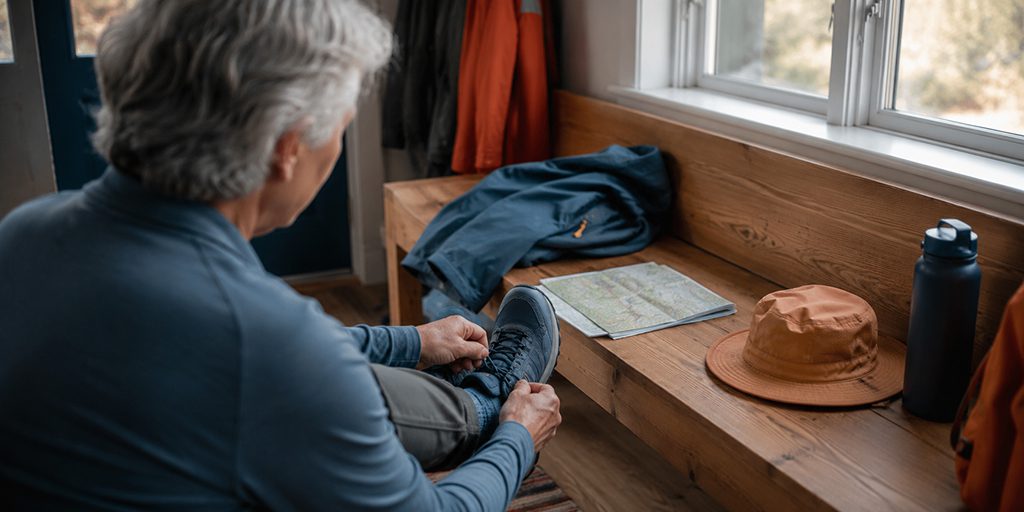
How NAD+ Support for Active Aging May Fit Into a Wellness Routine
Someone preparing for more outdoor activity may focus on several areas at the same time. NAD+ may be discussed as one possible component, but it should not become the entire plan.
Movement and Conditioning
Outdoor activities often require more than general motivation. Walking on uneven ground, climbing hills, carrying supplies, or spending several hours outside can require strength, balance, mobility, and endurance.
A gradual movement plan may help prepare the body without doing too much too quickly. Depending on the activity, that plan might include walking, light strength training, mobility exercises, or practice on similar terrain.
Sleep and Recovery
Recovery helps the body respond to activity and prepare for the next session. A consistent sleep schedule, planned rest days, and realistic activity goals can help support a sustainable routine.
NAD+ is sometimes discussed in wellness settings related to energy and recovery goals. It should not be used as a substitute for adequate sleep or appropriate rest.
Nutrition and Hydration
Regular meals, balanced food choices, and proper hydration can affect how someone feels before, during, and after outdoor activity. The specific needs of a short walk may be very different from the needs of a long hike in warm weather.
A provider may also consider whether nutritional concerns, medications, or existing health conditions could be influencing fatigue, recovery, or activity tolerance.
Wellness Planning
A clear plan can make outdoor goals feel more manageable. Instead of focusing only on the final destination, consider the steps needed to participate safely and comfortably.
This may include:
- Building activity gradually
- Choosing appropriate footwear
- Planning water and food
- Checking weather and trail conditions
- Scheduling recovery time
- Reviewing health concerns with a provider
- Understanding when to reduce or stop activity
NAD+ may fit into this planning process when a qualified provider believes it is appropriate for the individual.
What Is NAD+ Used for in Wellness Routines?
In wellness settings, NAD+ options are commonly explored by adults interested in cellular wellness, healthy aging, energy support, recovery, and wellness optimization.
These are broad wellness goals, not guaranteed treatment outcomes. A person’s experience may depend on many factors, including overall health, lifestyle habits, the type of NAD+ option used, and the provider’s recommended plan.
Provider-guided care may involve reviewing:
- The person’s wellness goals
- Current medications and supplements
- Relevant health conditions
- Previous wellness treatments
- The selected NAD+ format
- Possible side effects or concerns
- Follow-up and progress monitoring
TRAVA is a modern telehealth and wellness brand focused on provider-guided support. Through telehealth, eligible adults may be able to discuss wellness goals, review available NAD+ options, and ask questions without beginning with an in-person office visit.
Availability, eligibility, and recommended care may vary.
How Should You Compare NAD+ Options?
NAD+ options should not be compared only by which one appears strongest, fastest, or most convenient. The best starting point is understanding how each option would fit into your lifestyle and provider-guided plan.
| Comparison Factor | Why It Matters | What to Ask |
|---|---|---|
| Format | Different formats may involve different routines and levels of convenience. | How is this option used? |
| Provider review | Medical and wellness history may affect whether an option is appropriate. | What information will the provider review? |
| Recommended schedule | The routine should be realistic for your lifestyle. | How often would I use it? |
| Possible side effects | No wellness treatment should be assumed to be risk-free. | What reactions or concerns should I understand? |
| Monitoring | Follow-up can help address questions and evaluate the plan. | How will my experience be reviewed? |
| Cost | Pricing may depend on the option, provider process, and ongoing plan. | What is included in the total cost? |
| Convenience | A plan is more useful when it can be followed consistently. | How does this fit into travel or an active schedule? |
TRAVA offers information about provider-guided NAD+ wellness support, including NAD+ nasal spray options. A provider consultation can help clarify how a specific format works and whether it may be considered based on individual needs.

What to Consider Before Starting NAD+ Support
Interest in active aging does not automatically mean that NAD+ is appropriate for everyone. Before starting, consider the full picture rather than focusing only on the possible benefits.
Your Primary Goal
Be specific about what you hope to support. Are you preparing for an outdoor trip, working on a more consistent exercise routine, exploring healthy aging options, or trying to better understand changes in energy and recovery?
Clear goals can help the provider offer more relevant guidance.
Your Current Health and Wellness Routine
Consider how consistently you are sleeping, eating, hydrating, moving, and recovering. These habits may influence how you feel during outdoor activity and should remain part of the conversation.
Your Medications and Health History
A provider should know about prescription medications, over-the-counter products, supplements, allergies, and relevant health conditions. Do not assume that a wellness option is appropriate simply because it is available online.
The Provider and Follow-Up Process
Look for a process that includes provider review, clear instructions, access to questions, and information about what happens after the initial consultation.
A trustworthy wellness plan should not rely on exaggerated claims, guaranteed results, or pressure to begin immediately.
Questions to Ask Your Provider
Before adding NAD+ to an active aging or outdoor wellness routine, consider asking:
- Based on my health history and goals, is NAD+ an appropriate option to consider?
- What type of NAD+ option are you recommending, and why?
- What should I realistically expect from this wellness plan?
- What possible side effects, reactions, or limitations should I understand?
- Could any of my medications, supplements, or health conditions affect this option?
- How will follow-up care and progress reviews work?
- Which sleep, nutrition, hydration, movement, or recovery habits should support my plan?
These questions can help shift the conversation away from hype and toward practical, personalized guidance.
Healthy Habits That Support Outdoor Activity and Recovery
NAD+ should not be viewed in isolation. Outdoor wellness depends on the habits that make activity safer, more enjoyable, and easier to repeat.
Prepare Gradually
Increase walking distance, elevation, or activity time in manageable steps. Sudden increases can make it harder to evaluate how your body is responding.
Prioritize Hydration
Bring enough water for the activity, weather, and environment. Longer or more demanding activities may require additional planning.
Support Recovery
Give yourself time to rest after challenging activity. Recovery can include sleep, light movement, stretching, hydration, balanced meals, and adjusting the next workout when needed.
Pay Attention to Your Body
Fatigue, discomfort, dizziness, unusual shortness of breath, or other concerning symptoms should not be ignored. Stop the activity and seek appropriate medical guidance when needed.
Choose Consistency Over Intensity
A routine that can be maintained is often more useful than occasional periods of extreme effort. Active aging is a long-term goal, not a single event.
Frequently Asked Questions
Can NAD+ help me stay active as I age?
NAD+ may be discussed as part of a wellness plan related to cellular wellness, energy support, recovery, and healthy aging. It does not guarantee that someone will become more active or recover faster. Staying active also depends on movement, sleep, nutrition, hydration, health conditions, and appropriate provider guidance.
Is NAD+ a replacement for exercise, sleep, or nutrition?
No. NAD+ should not replace foundational wellness habits. Regular movement, balanced nutrition, hydration, sleep, and recovery remain important for active aging. A provider may discuss NAD+ as an additional wellness option rather than a substitute for these habits.
How long does it take to notice a difference with NAD+?
There is no single timeline that applies to everyone, and a specific outcome should not be guaranteed. The experience may vary based on the individual, the selected format, the recommended plan, overall health, and lifestyle habits. Ask your provider how and when your plan will be reviewed.
How much do NAD+ wellness options cost?
Costs can vary based on the NAD+ format, provider process, recommended schedule, shipping, monitoring, and whether ongoing support is included. Before starting, ask for a clear explanation of the total cost and what services are part of the plan.
Who may not be a good fit for NAD+?
Eligibility depends on individual health information, medications, wellness goals, and provider review. NAD+ should not be assumed to be appropriate for every adult. A licensed provider can evaluate relevant concerns and explain whether another approach may be more suitable.
Conclusion
Mountain Day can serve as a reminder to think beyond one hike or outdoor adventure. Active aging is supported by the routines that help you keep moving, recover appropriately, and continue participating in activities you enjoy.
NAD+ support for active aging may be one part of that larger plan, but it should be approached with realistic expectations and qualified provider guidance. Sleep, nutrition, hydration, movement, recovery, and ongoing medical care still provide the foundation.
To explore whether NAD+ may fit into your wellness goals, learn more about TRAVA’s provider-guided NAD+ wellness support and NAD+ nasal spray options. A provider can review your information, answer questions, and help you understand the next appropriate steps.
Disclaimer: TRAVA is not affiliated with, Mounjaro, Ozempic, Rybelsus, Saxenda, Trulicity, Wegovy, or Zepbound. However, we do offer alternatives such as Semaglutide and Tirzepatide. Before beginning any treatment, it's essential to consult with a licensed healthcare provider to ensure the best approach for your individual health needs.