Starting a GLP-1 medication can change the way you think about food almost overnight. Appetite often drops quickly, cravings may decrease, and portions suddenly feel much smaller. But while eating less can feel like progress, nutrition still matters. In fact, one of the most important parts of long-term GLP-1 success is learning what to eat on GLP-1s in a way that supports your body, energy levels, and overall health.
Many people focus only on eating less. The better strategy is eating smarter. Protein, fiber, hydration, and nutrient-dense meals can help support muscle mass, energy, recovery, and sustainable wellness while using GLP-1 medications.
What to Eat on GLP-1s for Better Nutrition and Fewer Side Effects
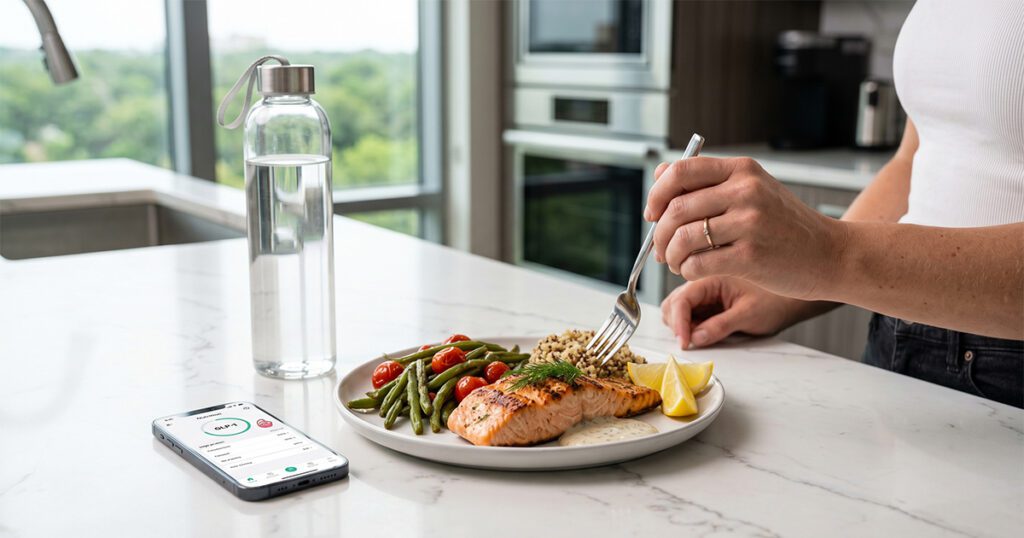
When deciding what to eat on GLP-1s, focus on high-protein foods, fiber-rich ingredients, hydration, and balanced meals that are easy to digest. Many people feel full faster on GLP-1 medications, so nutrient quality becomes more important than quantity. Prioritizing protein, avoiding heavily processed foods, and eating smaller balanced meals may help support energy levels and reduce nausea or digestive discomfort.
Why Nutrition Still Matters on GLP-1 Medications
GLP-1 medications can significantly reduce appetite. For many people, that feels like a relief after years of constant hunger or food noise. But appetite suppression can also create new challenges if nutrition is overlooked.
Some people unintentionally skip meals. Others rely on convenience foods because they do not feel motivated to cook or eat full meals. Over time, this can make it harder to get enough protein, vitamins, minerals, and fiber.
Nutrition plays a major role in supporting:
- Muscle maintenance
- Energy levels
- Recovery from workouts
- Metabolic health
- Hydration
- Digestive health
- Long-term sustainability
The goal is not simply to eat less. The goal is to nourish your body while supporting your treatment plan.
Personalized Compounded GLP-1
Looking for Semaglutide or Tirzepatide? Start your free assessment now!
What to Eat on GLP-1s for Protein and Meal Structure
Protein is one of the most important nutrients during GLP-1 treatment. Many providers encourage prioritizing protein because it may help support lean muscle mass and improve satiety.
Why Protein Matters
When calorie intake decreases quickly, the body can sometimes lose muscle along with body fat. Adequate protein intake may help reduce that risk while supporting strength, recovery, and overall wellness.
Protein can also help meals feel more balanced and satisfying.
- Common high-protein options include:
- Chicken breast
- Turkey
- Fish
- Eggs
- Greek yogurt
- Cottage cheese
- Protein shakes
- Tofu
- Edamame
- Lean beef
- Protein oatmeal
General Protein Targets
Protein needs vary from person to person based on body size, activity level, and provider guidance. Many people on GLP-1 medications aim for a protein-focused approach throughout the day rather than trying to eat one large meal.
A practical strategy is to include protein at every meal and snack.
For example:
| Meal | Protein-Focused Option |
|---|---|
| Breakfast | Greek yogurt with berries |
| Lunch | Grilled chicken salad |
| Snack | Protein shake or cottage cheese |
| Dinner | Salmon with vegetables and rice |
Smaller meals often feel easier to tolerate than large portions.
Avoid Skipping Meals Entirely
One of the most common mistakes people make on GLP-1 medications is barely eating at all.
While it may seem helpful in the short term, consistently under-eating can contribute to:
- Fatigue
- Low energy
- Muscle loss
- Nutritional deficiencies
- Increased nausea
- Poor workout recovery
Even if hunger feels low, your body still needs fuel and nutrients.
Managing Nausea and Food Aversions on GLP-1s
Nausea is one of the most commonly discussed side effects associated with GLP-1 medications. Some people notice mild discomfort, while others experience stronger food aversions during dose increases or adjustment periods.
The good news is that food choices and meal timing can sometimes help.
What to Eat on GLP-1s When You Feel Nauseous
Many people tolerate simple, lighter foods better during nausea episodes.
Foods That May Feel Easier to Tolerate
- Crackers
- Toast
- Rice
- Bananas
- Applesauce
- Soup
- Plain oatmeal
- Grilled chicken
- Smoothies
- Scrambled eggs
Cold foods may also feel easier than hot meals for some individuals.
Eating Smaller Portions More Frequently
Large meals can sometimes worsen nausea or bloating. Smaller meals spaced throughout the day may feel more manageable.
Instead of three heavy meals, some people do better with:
- Small breakfast
- Light snack
- Moderate lunch
- Protein shake
- Smaller dinner
Hydration Matters
Hydration becomes especially important during GLP-1 treatment. Reduced appetite can sometimes reduce fluid intake as well.
Try to consistently drink water throughout the day rather than waiting until you feel thirsty.
Some people also benefit from:
- Electrolyte drinks
- Herbal tea
- Water-rich fruits
- Broth-based soups
Foods to Limit While on GLP-1 Medications
There is no single forbidden food list for GLP-1 medications. However, certain foods may increase digestive discomfort or make it harder to maintain balanced nutrition.
Highly Processed Foods
Ultra-processed foods are often low in protein and fiber while being high in added fats or sugars.
Examples include:
- Fast food
- Fried foods
- Chips
- Sugary snacks
- Processed pastries
- Heavy desserts
These foods may sometimes worsen bloating, nausea, or sluggishness.
Greasy or Heavy Meals
Many Reddit users discussing GLP-1 experiences mention learning this lesson the hard way. Heavy, greasy meals often become much harder to tolerate once appetite changes.
Some people report feeling:
- Overly full
- Nauseous
- Bloated
- Fatigued after rich meals
Smaller portions and lighter cooking methods often feel better.
Drinking Too Little Water
This is another issue people frequently mention online after starting GLP-1 medications. Because appetite decreases, hydration can accidentally decrease too.
Low hydration may contribute to:
- Fatigue
- Headaches
- Constipation
- Low energy
Keeping water nearby throughout the day can help build consistency.
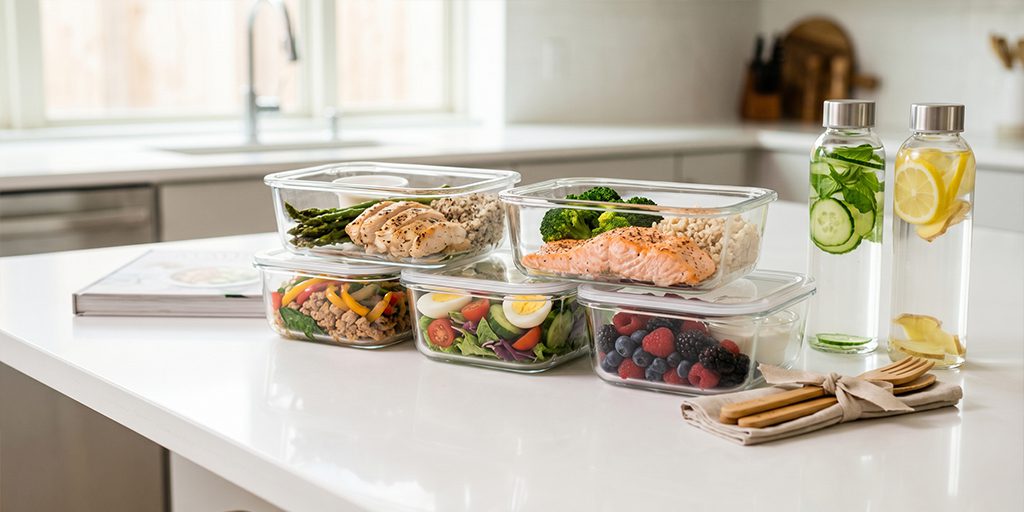
Simple Meal Ideas That Work on GLP-1s
One of the biggest challenges is figuring out meals that are realistic when appetite is lower.
Complicated meal prep is not always necessary. Simple meals often work best.
Easy Breakfast Ideas
- Greek yogurt with fruit and chia seeds
- Eggs with avocado toast
- Protein smoothie with spinach and berries
- Oatmeal with protein powder
Simple Lunch Options
- Chicken salad bowl
- Turkey wrap with vegetables
- Cottage cheese with fruit
- Tuna with crackers and cucumber slices
Easy Dinner Ideas
- Salmon with roasted vegetables
- Ground turkey rice bowl
- Grilled chicken with sweet potato
- Stir fry with tofu and vegetables
Snacks That Add Protein
- Protein shakes
- String cheese
- Hard-boiled eggs
- Edamame
- Beef jerky
- Nuts in moderation
Keeping meals simple can reduce stress while making nutrition easier to maintain consistently.
What Reddit Users Wish They Knew Earlier
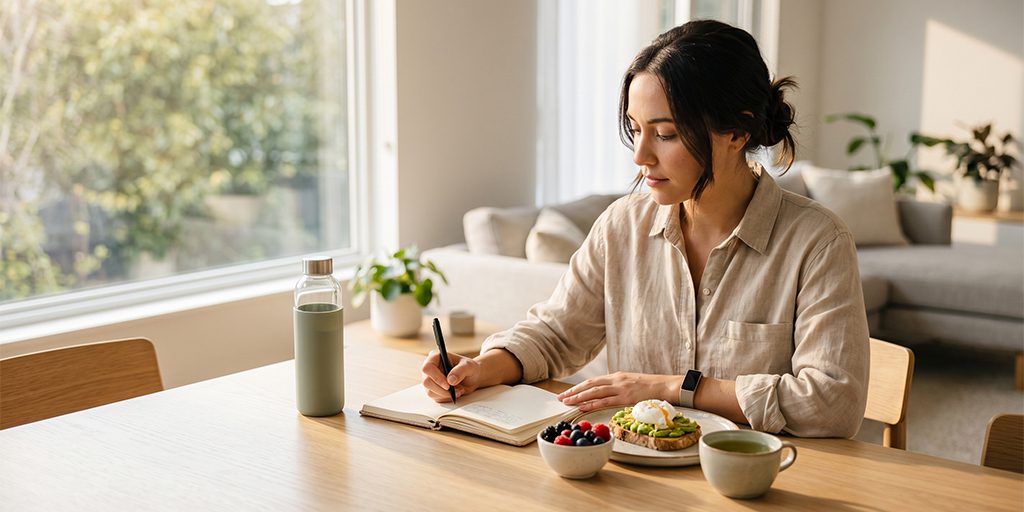
Many GLP-1 users online share similar lessons after starting treatment.
Common themes include:
Protein Matters More Than Expected
Many people say they underestimated how important protein would become once appetite dropped significantly.
Eating Too Little Can Backfire
Some users report feeling exhausted or weak after unintentionally eating far too little.
Hydration Becomes a Bigger Priority
Water and electrolytes are frequently mentioned as essential for feeling better day to day.
Small Habits Matter
People often discover that small consistent habits work better than extreme restriction.
That includes:
- Eating balanced meals
- Prioritizing protein
- Staying hydrated
- Listening to fullness cues
- Avoiding all-or-nothing thinking
Building Sustainable Habits on GLP-1s
GLP-1 medications can be a powerful tool, but long-term success often depends on sustainable routines.
The goal is not perfection. The goal is creating habits that support your body consistently over time.
That may include:
- Prioritizing protein
- Planning simple meals
- Staying hydrated
- Eating enough nutrients
- Working with a provider for guidance
- Adjusting routines as your needs change
Nutrition does not need to feel restrictive or overwhelming. Small practical changes often make the biggest difference.
Frequently Asked Questions
What should you eat most on GLP-1 medications?
Most nutrition strategies for GLP-1 medications focus on protein, fiber, hydration, and nutrient-dense foods. Lean proteins, vegetables, fruit, whole grains, and balanced meals are commonly recommended to help support energy, fullness, and overall wellness while appetite is reduced.
What foods can make GLP-1 side effects worse?
Heavy fried foods, greasy meals, highly processed snacks, and large portions may worsen nausea or digestive discomfort for some people. Everyone responds differently, but lighter balanced meals often feel easier to tolerate during treatment.
How much protein should you eat on GLP-1s?
Protein needs vary based on factors like body size, activity level, and provider guidance. Many people aim to include protein with every meal and snack to help support muscle maintenance and balanced nutrition while eating less overall.
Why do people feel nauseous on GLP-1 medications?
GLP-1 medications slow digestion and reduce appetite, which can sometimes contribute to nausea or food aversions. Eating smaller meals, staying hydrated, and avoiding overly heavy foods may help some individuals manage symptoms more comfortably.
Can you skip meals while taking GLP-1 medications?
Skipping meals occasionally may happen naturally due to appetite suppression, but consistently under-eating can make it harder to get enough nutrients and protein. Balanced nutrition remains important even when hunger levels decrease.
Conclusion
Learning what to eat on GLP-1s is about more than eating less. It is about supporting your body with protein, hydration, fiber, and balanced meals that work with your lifestyle and wellness goals.
Simple habits often lead to the best long-term results. Consistency, nutrition, and provider-guided support can help make the experience more sustainable and manageable over time.
Get personalized nutrition guidance alongside your GLP-1 treatment with TRAVA.
Disclaimer: TRAVA is not affiliated with, Mounjaro, Ozempic, Rybelsus, Saxenda, Trulicity, Wegovy, or Zepbound. However, we do offer alternatives such as Semaglutide and Tirzepatide. Before beginning any treatment, it's essential to consult with a licensed healthcare provider to ensure the best approach for your individual health needs.