
Big wellness goals often begin with small daily actions. That idea sits at the center of simple wellness systems, and it is one reason World Bee Day offers such a useful reminder. Bees do not rely on one massive effort to build a thriving hive. Instead, they depend on small, consistent actions repeated over time. Wellness works much the same way.
Many people approach health by chasing motivation, extreme routines, or quick fixes. In reality, sustainable progress usually comes from systems that make healthy choices easier to repeat. The Simple Systems That Make Wellness Feel Easier explores how small habits compound, why consistency matters more than intensity, and how provider-guided support can help reinforce long-term wellness goals.
Simple wellness systems are daily routines and behaviors that support long-term health through consistency instead of intensity. These systems may include sleep habits, hydration, movement, nutrition planning, recovery practices, and clinical wellness support. Over time, small habits compound and create meaningful changes that are often easier to maintain than extreme short-term efforts.
Lessons From Nature and World Bee Day
World Bee Day highlights the importance of small systems working together toward larger outcomes. A single bee may seem insignificant on its own, but entire ecosystems depend on thousands of repeated actions happening every day.
That same principle applies to wellness.
People often underestimate the power of small decisions because the effects are not immediate. Drinking more water for one day may not feel life-changing. Going to bed earlier once may not transform energy levels overnight. A short walk after dinner may not seem dramatic.
But repeated consistently, these habits can create momentum.
Wellness is rarely built through one perfect week. It is usually built through sustainable routines that continue even when life becomes busy, stressful, or unpredictable.
Why Small Habits Compound Over Time
Consistency Creates Stability
Extreme wellness plans can feel motivating at first, but they are often difficult to maintain. Strict meal plans, intense workout schedules, and all-or-nothing thinking may create short bursts of progress followed by burnout.
Small systems tend to work differently.
Instead of depending on motivation, they reduce friction and make healthy behaviors easier to repeat. Over time, this consistency helps create stability in daily routines.
Examples of small wellness systems include:
- Keeping a water bottle nearby throughout the day
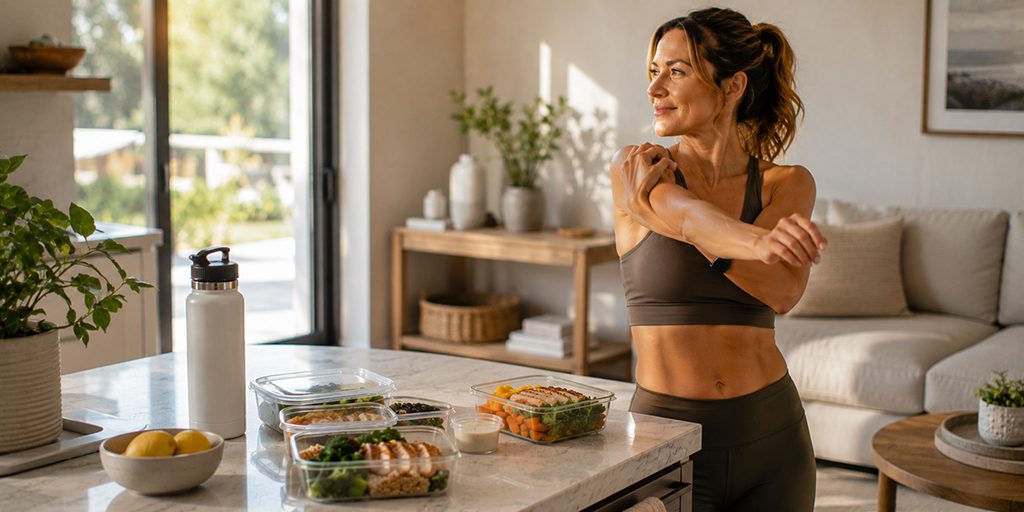
- Preparing simple protein-focused meals ahead of time
- Setting a consistent bedtime
- Taking short movement breaks during work hours
- Scheduling recovery days intentionally
- Tracking habits instead of obsessing over perfection
None of these actions are extreme. Together, however, they can support larger wellness goals over time.
Wellness Is Often About Momentum
One healthy choice often makes the next choice easier.
People who prioritize sleep may notice improved energy levels. Better energy can support more movement during the day. Increased movement may improve mood and recovery. Improved recovery can help people stay more consistent with their routines.
This is where systems thinking becomes important.
Instead of focusing only on outcomes like weight, appearance, or performance, systems thinking focuses on building repeatable behaviors that support overall wellness.
Intensity Is Not Always Sustainable
Modern wellness culture often rewards extremes. Social media feeds are filled with intense routines, dramatic transformations, and unrealistic expectations.
The problem is that intensity can become difficult to maintain long term.
Simple wellness systems create a more practical approach because they fit into real life. They leave room for flexibility, travel, social events, work schedules, and recovery.
This matters because long-term consistency usually outperforms short-term perfection.
Personalized Compounded NAD+
Looking for anti-aging solutions? Start your free assessment now!
Building Wellness Systems That Last
Start With Friction Reduction
One of the easiest ways to build sustainable systems is to make healthy actions simpler.
If healthy habits feel complicated, they become harder to repeat consistently.
Reducing friction might look like:
| Wellness Goal | Simple System |
|---|---|
| Better hydration | Fill water bottles the night before |
| More movement | Schedule short walks into the calendar |
| Improved nutrition | Keep easy protein options available |
| Better sleep | Set a consistent nighttime routine |
| Recovery support | Plan rest days intentionally |
Small adjustments can remove barriers that often interrupt consistency.
Focus on Repeatability
A wellness routine only works if it can realistically continue.
That is why sustainable systems often outperform aggressive short-term plans. A simple routine repeated for months may create more meaningful progress than an extreme plan followed for two weeks.
When building systems, ask:
- Can this fit into daily life consistently?
- Does this feel realistic during stressful weeks?
- Can this continue while traveling or working?
- Is this supporting overall wellness rather than perfection?
These questions help shift the focus away from unrealistic expectations and toward long-term sustainability.
Build Around Identity Instead of Motivation
Motivation changes constantly. Systems provide structure even when motivation fades.
Rather than saying:
“I need motivation to exercise.”
A systems-focused mindset sounds more like:
“I am someone who makes movement part of my week.”
That shift may seem small, but it changes how habits are approached over time.
Recovery Should Be Part of the System
Many wellness plans focus heavily on effort while ignoring recovery.
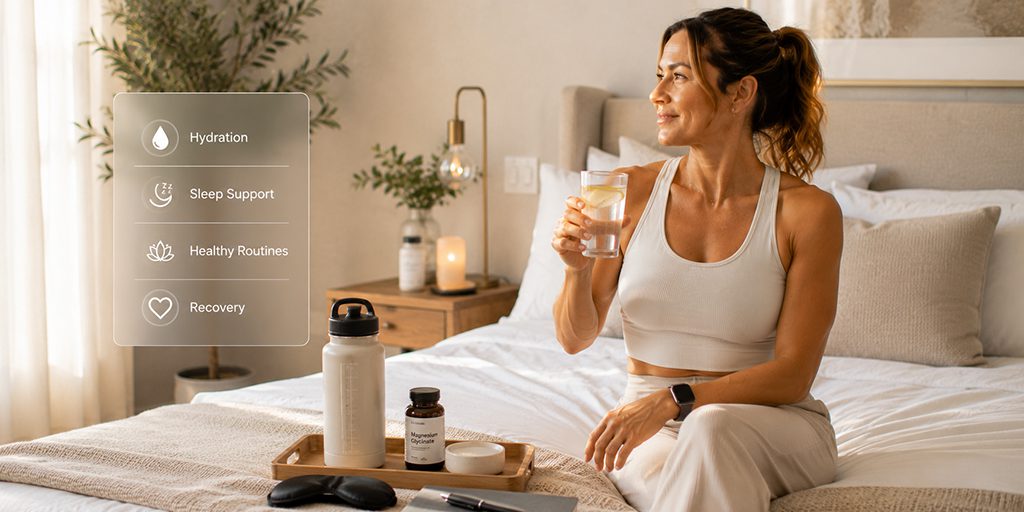
Recovery supports consistency because people often struggle to maintain routines when energy levels drop or stress increases. Sleep, hydration, movement, and recovery strategies all work together to support long-term wellness.
Some recovery-supportive habits may include:
- Prioritizing sleep consistency
- Managing hydration during travel or busy periods
- Scheduling downtime intentionally
- Supporting energy through balanced nutrition
- Working with providers on personalized wellness plans
Recovery is not separate from wellness. It is part of the system itself.
Pairing Simple Wellness Systems With Clinical Support
Lifestyle Habits and Clinical Support Can Work Together
Many people assume wellness support must be either lifestyle-based or medically guided. In reality, these approaches often work best together.
Healthy systems create a strong foundation, while provider-guided wellness support may help reinforce consistency and recovery.
Depending on individual goals, clinical support may include:
- GLP-1 medications for metabolic health support
- NAD+ therapies for energy and recovery support
- Peptide-based wellness programs
- Nutrition guidance
- Recovery-focused wellness strategies
These options should always be discussed with qualified providers who can evaluate personal health needs and goals.
How NAD+ Fits Into Wellness Support
NAD+ is a coenzyme involved in cellular energy production and metabolic processes. Interest in NAD+ support has increased as more people focus on recovery, longevity, and energy optimization.
Some people explore NAD+ therapies as part of broader wellness routines focused on:
- Supporting energy levels
- Recovery optimization
- Healthy aging support
- Wellness consistency
NAD+ is not a replacement for healthy habits. Instead, it may complement systems already focused on hydration, sleep, movement, and recovery.
Clinical Support Is Most Effective With Sustainable Habits
No treatment or wellness strategy replaces foundational habits.
Even with provider-guided support, long-term wellness usually depends on consistency across multiple areas:
- Sleep
- Nutrition
- Movement
- Stress management
- Recovery
- Sustainable routines
That is why systems thinking matters so much in wellness. The goal is not perfection. The goal is building routines that continue over time.
Why Wellness Feels Easier With Systems
When people rely only on motivation, wellness can feel exhausting.
Every decision requires effort:
- Should I work out today?
- Should I cook tonight?
- Should I prioritize sleep?
- Should I restart after a difficult weekend?
Systems reduce decision fatigue.
Healthy behaviors become part of the routine rather than constant negotiations. Over time, this can make wellness feel more manageable, flexible, and sustainable.
That is one of the most valuable lessons from nature and World Bee Day. Small actions repeated consistently can support larger outcomes without needing constant intensity.
Frequently Asked Questions
What are simple wellness systems?
Simple wellness systems are repeatable habits and routines that support long-term health. These systems may include hydration, sleep routines, meal planning, movement, recovery practices, and provider-guided wellness support. The goal is to make healthy behaviors easier to maintain consistently over time.
Why are small habits important for wellness?
Small habits often compound over time. Consistent behaviors repeated daily can support larger wellness goals more sustainably than extreme short-term efforts. Small systems also tend to fit more easily into real life, making long-term consistency more realistic.
What does systems thinking mean in wellness?
Systems thinking focuses on building repeatable routines instead of only chasing outcomes. Rather than relying on motivation or perfection, systems create structure that supports sustainable wellness habits over time.
Can NAD+ support recovery and energy?
NAD+ plays a role in cellular energy production and metabolic function. Some individuals explore NAD+ therapies as part of broader wellness plans focused on recovery, energy support, and healthy aging. Provider guidance is important when considering any wellness treatment.
How can I build sustainable wellness habits?
Start small and focus on repeatability. Choose habits that realistically fit daily life, reduce friction where possible, and prioritize consistency over intensity. Wellness systems often work best when they support flexibility rather than perfection.
Conclusion
Wellness does not usually come from one dramatic moment. More often, it grows through small actions repeated consistently over time.
World Bee Day offers a powerful reminder that small systems can create meaningful results. The same principle applies to health, recovery, and long-term wellness. Sustainable habits, practical routines, and provider-guided support can work together to help wellness feel more manageable and realistic.
Build a wellness system that works for your life. TRAVA can help support your wellness journey with provider-guided options focused on recovery, metabolic health, longevity, and sustainable wellness support.
Disclaimer: TRAVA is not affiliated with, Mounjaro, Ozempic, Rybelsus, Saxenda, Trulicity, Wegovy, or Zepbound. However, we do offer alternatives such as Semaglutide and Tirzepatide. Before beginning any treatment, it's essential to consult with a licensed healthcare provider to ensure the best approach for your individual health needs.