
When it comes to managing your health, one of the most common questions today is whether to choose telehealth or in-person care. The answer is not always one or the other. In fact, the best approach often combines both. Understanding when telehealth makes sense and when an in-person visit is necessary can help you get the right care at the right time.
Many people are unsure whether they should click "book online" or schedule an appointment with a local clinic. As virtual healthcare continues to grow, it's important to know where telehealth fits into your overall wellness plan and where traditional care still plays a critical role.
Telehealth and in-person care each serve important purposes. Telehealth is ideal for consultations, medication management, wellness support, and follow-up visits, while in-person care is often necessary for physical exams, urgent symptoms, imaging, procedures, and certain laboratory tests. The best healthcare approach often combines both for convenience, safety, and continuity of care.
Why the Telehealth vs. In-Person Conversation Matters
Healthcare has changed significantly over the past few years. Patients now have more options than ever before, which is a good thing. But having more choices can also create confusion.
Many people delay seeking care because they are unsure where to start. They may wonder whether their concern can be addressed virtually or if they need to visit a clinic in person.
The reality is that telehealth is not designed to replace every medical appointment. Instead, it provides a convenient way to access qualified healthcare professionals when an in-person visit is not necessary.
Understanding these differences can help reduce uncertainty and make healthcare feel more accessible.
When Telehealth Shines
Telehealth works exceptionally well for many common health and wellness needs. It removes barriers like travel time, scheduling challenges, and geographic limitations while still providing access to professional guidance.
Routine Wellness Consultations
Many wellness goals begin with a conversation.
Whether someone is exploring medically supervised weight management, metabolic health support, peptide therapies, or healthy lifestyle changes, a virtual consultation often provides everything needed to get started.
Patients can discuss their goals, health history, current concerns, and treatment options from the comfort of home.
Ongoing Medication Management
One of the biggest strengths of telehealth is ongoing follow-up care.
For patients using provider-guided wellness treatments such as GLP-1 medications, NAD+ support, or other metabolic health programs, regular virtual check-ins allow providers to:
- Review progress
- Discuss side effects
- Adjust dosages when appropriate
- Monitor treatment response
- Provide education and support
- Answer questions between milestones
These conversations often do not require a physical examination, making telehealth an efficient option.
Weight Loss and Metabolic Health Support
Many aspects of medically supervised weight management are well suited for virtual care.
Patients can discuss topics such as:
- Nutrition habits
- Physical activity
- Sleep quality
- Energy levels
- Appetite changes
- Weight loss progress
- Lifestyle challenges
Because these conversations focus heavily on education, coaching, and ongoing monitoring, telehealth can provide meaningful support without requiring frequent office visits.
Follow-Up Appointments
Follow-up appointments are another area where telehealth excels.
Rather than taking time off work, driving across town, and sitting in a waiting room for a brief update, patients can often complete these visits virtually.
This convenience can make it easier to stay consistent with care plans and maintain long-term engagement.
Access to Specialized Care
Telehealth can also help patients connect with providers who may not be available locally.
For individuals living in rural communities or areas with limited healthcare access, virtual care may expand options and improve convenience while maintaining clinical oversight.
Personalized Compounded GLP-1
Looking for Semaglutide or Tirzepatide? Start your free assessment now!
Telehealth vs. In-Person Care: A Quick Comparison
| Telehealth May Be Best For | In-Person Care May Be Best For |
|---|---|
| Wellness consultations | Physical examinations |
| Medication follow-ups | Severe or urgent symptoms |
| Weight management support | Imaging and diagnostic procedures |
| Lifestyle coaching | Injury evaluations |
| Treatment education | Surgical procedures |
| Routine progress reviews | Emergency medical concerns |
| Lab result discussions | Hands-on assessments |
The goal is not to choose one over the other. Instead, it's about using each option when it provides the most value.
Non-Negotiables for In-Person Evaluation
While telehealth offers convenience, there are situations where in-person care is essential.
Good healthcare providers are transparent about these limitations because patient safety always comes first.
Physical Examinations
Certain concerns require a hands-on assessment.
A provider may need to:
- Listen to your heart or lungs
- Examine a skin condition
- Assess an injury
- Check swelling
- Evaluate neurological symptoms
These situations simply cannot be fully replicated through a screen.
Emergency Symptoms
Telehealth should never replace emergency care.
If someone experiences symptoms such as:
- Chest pain
- Difficulty breathing
- Signs of stroke
- Severe bleeding
- Sudden loss of consciousness
- Serious injuries
They should seek immediate emergency medical attention.
Imaging and Diagnostic Testing
X-rays, CT scans, MRIs, ultrasounds, and other diagnostic procedures require in-person visits.
Telehealth providers may help determine when these tests are needed, but the testing itself must occur through local healthcare facilities.
Laboratory Testing
Many wellness programs and metabolic health treatments involve laboratory monitoring.
Blood work may be important for evaluating:
- Metabolic markers
- Hormone levels
- Cholesterol levels
- Blood sugar regulation
- Kidney function
- Liver function
While telehealth providers can review and interpret results, patients may still need local laboratory services to obtain the testing.
Procedures and Hands-On Treatments
Any procedure requiring physical intervention must occur in person.
Examples include:
- Injections administered by providers
- Surgical procedures
- Wound care
- Certain diagnostic examinations
- Physical therapy treatments
These services require direct interaction between patients and healthcare professionals.
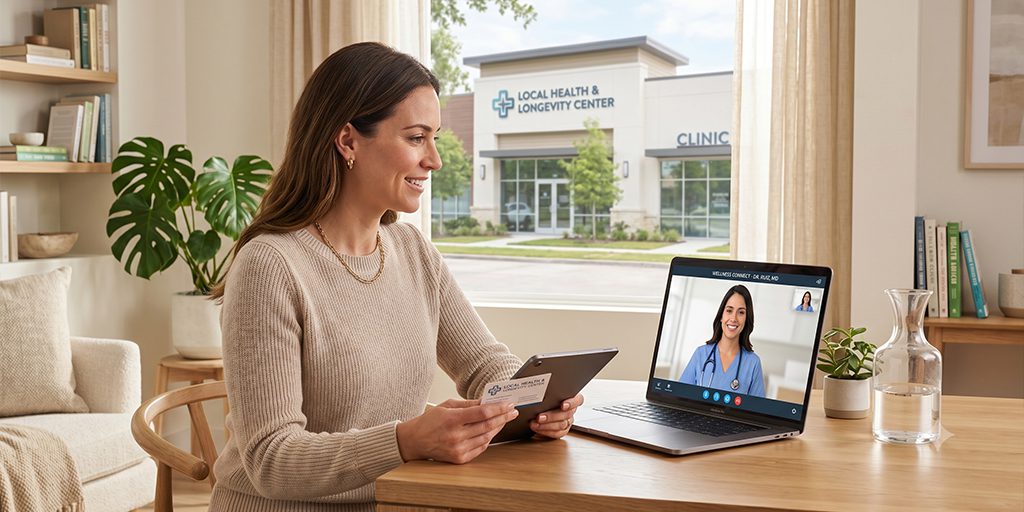
Why Transparency Builds Trust
One of the biggest misconceptions about telehealth is that virtual care providers claim to do everything.
The most trustworthy healthcare organizations understand and openly communicate their limitations.
Patients often feel more comfortable when providers clearly explain:
- What telehealth can do
- What telehealth cannot do
- When referrals are appropriate
- When local care is necessary
This transparency helps create realistic expectations and supports safer healthcare decisions.
How Trava Fits Into a Safe, Complete Care Ecosystem
At Trava, telehealth is viewed as one piece of a broader healthcare picture.
Virtual care can provide convenient access to provider-guided wellness support, but it works best when combined with appropriate local healthcare resources.
Encouraging Ongoing Primary Care Relationships
Even if a patient receives virtual wellness support, maintaining a relationship with a local primary care provider remains important.
Primary care providers can help manage:
- Preventive screenings
- Vaccinations
- Acute illnesses
- Chronic medical conditions
- Physical examinations
- Referrals to specialists
These services complement virtual wellness care rather than compete with it.
Coordinating Care When Needed
Healthcare works best when providers work together.
Depending on individual needs, patients may be encouraged to complete local laboratory testing, follow up with specialists, or seek in-person evaluations when appropriate.
This collaborative approach helps ensure that wellness goals remain supported within a larger framework of responsible healthcare.
Supporting Long-Term Wellness
Many wellness journeys involve more than a single treatment.
For example, individuals exploring GLP-1 medications for weight management often benefit from guidance related to:
- Nutrition
- Physical activity
- Sleep habits
- Stress management
- Long-term behavior change
Telehealth can make these ongoing conversations more accessible and convenient while still encouraging patients to maintain local healthcare relationships.
Building Confidence in Your Care Decisions
Many people hesitate to start care because they are uncertain about the process.
Knowing that telehealth and in-person care can work together often removes that pressure.
You do not need to choose one forever. Different health needs may require different approaches at different times.
The most important question is not whether telehealth is better than in-person care. The better question is whether the type of care matches the situation.
When providers help patients understand that distinction, healthcare becomes simpler, safer, and more effective.
Frequently Asked Questions
Is telehealth as effective as an in-person visit?
For many consultations, follow-ups, medication management appointments, and wellness discussions, telehealth can be highly effective. However, situations requiring physical examinations, procedures, imaging, or urgent medical evaluation are generally better suited for in-person care.
What conditions are commonly managed through telehealth?
Telehealth is often used for wellness consultations, weight management programs, medication follow-ups, nutrition discussions, lifestyle coaching, mental health support, and ongoing monitoring of certain chronic conditions. Suitability depends on each patient's specific situation.
Can telehealth providers order lab work?
Yes. Depending on the care plan, providers may recommend or order laboratory testing. Patients typically complete testing through local laboratory facilities, and results can then be reviewed during virtual follow-up appointments.
Should I keep my primary care doctor if I use telehealth?
Yes. Maintaining a relationship with a primary care provider is generally recommended. Primary care physicians play an important role in preventive care, physical examinations, acute illness management, and coordination of healthcare needs.
When should I avoid telehealth and seek immediate care?
Anyone experiencing severe symptoms such as chest pain, difficulty breathing, signs of stroke, serious injuries, severe bleeding, or other medical emergencies should seek immediate in-person emergency care rather than relying on telehealth services.
Conclusion
Telehealth has transformed access to healthcare, but it is most effective when used thoughtfully. Some situations are ideal for virtual care, while others require hands-on evaluation, testing, or treatment.
The goal is not replacing traditional healthcare. It is making healthcare more accessible, convenient, and connected. When telehealth and in-person care work together, patients often gain the flexibility and support needed to pursue their health and wellness goals with confidence.
If you're exploring weight management, metabolic health support, or other provider-guided wellness options, consider whether your goals are a good fit for Trava's virtual care model. A consultation can help you understand your options and determine the next appropriate step for your individual needs.
Disclaimer: TRAVA is not affiliated with, Mounjaro, Ozempic, Rybelsus, Saxenda, Trulicity, Wegovy, or Zepbound. However, we do offer alternatives such as Semaglutide and Tirzepatide. Before beginning any treatment, it's essential to consult with a licensed healthcare provider to ensure the best approach for your individual health needs.