
Nutrition trends continue to evolve, but one thing is becoming increasingly clear in 2026: sustainable eating habits matter more than extreme dieting. Flexible eating strategies that prioritize protein, fiber, and long-term metabolic support are replacing restrictive plans that are difficult to maintain. Understanding how to build a balanced approach can help support wellness goals without creating unnecessary stress around food.
Many people exploring wellness trends like plant-based eating, metabolic health optimization, and flexible nutrition are looking for practical strategies they can actually maintain. Whether someone participates in initiatives like No Meat May or simply wants to improve overall nutrition habits, the goal is often the same: create a realistic way of eating that supports energy, recovery, and long-term health.
Protein, fiber, and flexible eating strategies are becoming central to metabolic wellness conversations in 2026 because they may help support satiety, energy balance, digestion, and sustainable nutrition habits. Rather than focusing on strict food rules, many wellness experts now encourage balanced approaches that prioritize consistency, nutrient quality, and long-term lifestyle support.
The New Nutrition Conversation
For years, nutrition culture focused heavily on restriction. Entire food groups were eliminated. Calories were aggressively cut. People often felt pressured to follow rigid plans that were difficult to maintain in real life.
Now, the conversation is shifting.
Modern wellness strategies are increasingly centered around metabolic health, sustainable habits, and realistic routines. Instead of asking, “What foods should I avoid?” many people are now asking:
- How can I feel fuller longer?
- How can I support my energy naturally?
- How can nutrition fit into my actual lifestyle?
- How can I improve consistency without obsessing over food?
This shift is one reason plant-based eating trends continue to grow. Challenges like No Meat May encourage people to explore flexibility rather than perfection. For many individuals, it becomes less about labels and more about building awareness around nutrition quality and eating patterns.
HeaderWhy Protein and Fiber Are Trending in 2026
Protein Supports More Than Muscle
Protein continues to be one of the most discussed nutrition topics in wellness and metabolic health conversations. While protein is often associated with fitness goals, its role goes far beyond muscle support.
Protein may help support:
- Satiety and fullness
- Recovery after activity
- Lean muscle maintenance
- Energy balance
- Healthy aging goals
As GLP-1 medications and metabolic wellness programs become more common, protein intake has also become a major area of focus. Some individuals using provider-guided metabolic treatments may eat less overall, which makes nutrient quality especially important.
High-protein meals can help support balanced eating habits while making meals feel more satisfying.
Common protein sources include:
| Protein Source | Examples |
|---|---|
| Animal-Based | Chicken, turkey, eggs, fish, Greek yogurt |
| Plant-Based | Lentils, tofu, edamame, chickpeas, tempeh |
| Mixed Options | Protein smoothies, cottage cheese, quinoa |
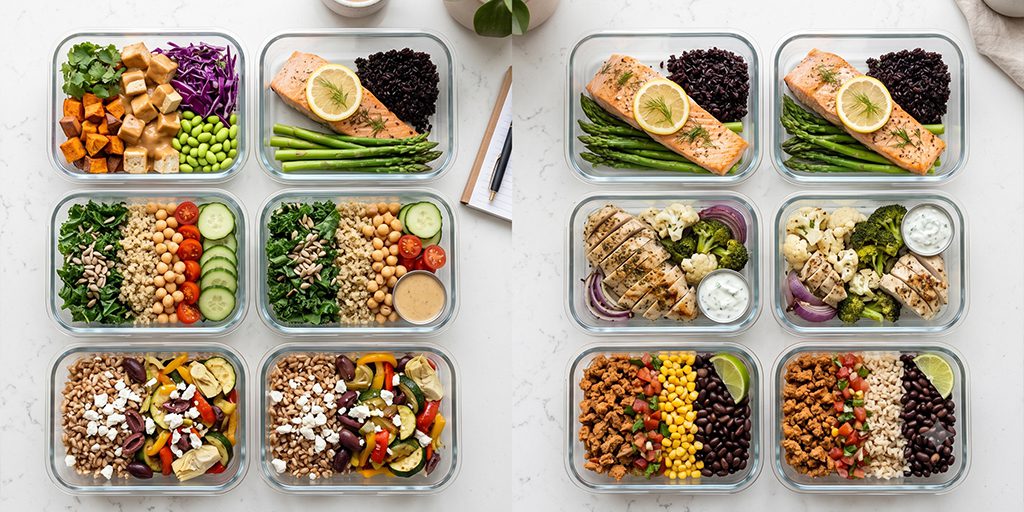
The goal is not perfection. Instead, many providers encourage building meals that include reliable protein sources consistently throughout the day.
Fiber Is Having a Major Wellness Moment
Fiber has become one of the biggest nutrition conversations of 2026, especially as more people learn about gut health, digestion, and metabolic wellness.
Fiber may support:
- Digestive regularity
- Fullness between meals
- Blood sugar balance
- Healthy eating consistency
- Overall wellness routines
Despite growing awareness, many adults still do not consume enough fiber daily.
Plant-based foods often provide natural fiber sources, including:
- Vegetables
- Fruits
- Beans
- Oats
- Seeds
- Whole grains
- Lentils
Fiber and protein often work together to help meals feel more satisfying and balanced. This combination is one reason many nutrition experts encourage focusing on food quality rather than restrictive dieting.
Personalized Compounded GLP-1
Looking for Semaglutide or Tirzepatide? Start your free assessment now!
Plant-Based Eating and Metabolic Support
Plant-Based Does Not Have to Mean All-or-Nothing
One of the biggest misconceptions around plant-based eating is that it has to be extremely strict.
In reality, many people now approach plant-based nutrition with flexibility. Some individuals eat mostly plant-based meals during the week while still including animal protein occasionally. Others simply try adding more vegetables, legumes, and fiber-rich foods into their routine.
This more balanced approach can feel more sustainable for many lifestyles.
No Meat May is one example of how people are experimenting with flexible wellness habits rather than rigid identities. It creates an opportunity to explore new meals, diversify nutrient intake, and learn more about how food affects energy and recovery.
Metabolic Health Is Becoming a Bigger Priority
Metabolic health has become a major focus in modern wellness conversations. While the term can sound complicated, it generally refers to how the body processes and uses energy.
Nutrition strategies that support metabolic wellness often focus on:
- Balanced meals
- Protein intake
- Fiber consumption
- Hydration
- Sleep quality
- Consistent movement
- Sustainable eating patterns
Rather than chasing short-term trends, many people are now prioritizing routines they can realistically maintain over time.
This shift also explains why provider-guided wellness support has become increasingly popular. Some individuals combine nutrition improvements with metabolic wellness treatments, GLP-1 support, peptide therapies, or NAD+ programs as part of a broader health strategy.
Building a Flexible Nutrition Approach
Flexibility Often Works Better Than Restriction
One of the most important wellness shifts happening in 2026 is the move away from extreme food rules.
Restriction often creates an “all-or-nothing” mindset. When people feel like they failed a diet, they may abandon healthy habits entirely.
Flexible nutrition approaches work differently.
Instead of trying to eat perfectly, the focus becomes:
- Making balanced choices more consistently
- Supporting long-term habits
- Reducing food-related stress
- Building routines that fit real life
This approach may feel more sustainable for work schedules, travel, holidays, social events, and everyday routines.
Small Changes Can Create Better Consistency
People do not always need dramatic overhauls to improve nutrition habits. Often, smaller adjustments are easier to maintain.
Examples include:
- Adding protein to breakfast
- Increasing water intake
- Including vegetables more consistently
- Choosing higher-fiber snacks
- Planning balanced meals ahead of time
- Avoiding overly restrictive food rules
Consistency tends to matter more than perfection.
Wellness Should Support Your Life
Nutrition strategies should help people feel supported, not overwhelmed.
That means allowing flexibility for:
- Family meals
- Travel
- Social events
- Personal preferences
- Different cultural foods
- Changing schedules
A balanced approach can help reduce the pressure that often comes with wellness trends.

How Provider-Guided Wellness Support Fits In
Modern wellness programs are increasingly personalized. Some individuals work with healthcare providers to create metabolic wellness plans that may include:
- GLP-1 support
- Peptide therapies
- NAD+ support
- Nutrition guidance
- Lifestyle habit coaching
These programs are not designed to replace healthy habits. Instead, they are often used alongside realistic nutrition and wellness strategies.
For example, individuals using GLP-1 medications may benefit from prioritizing protein and hydration to support balanced nutrition. Others exploring recovery or energy support may discuss NAD+ options with their provider as part of a broader wellness plan.
The focus is increasingly on long-term support rather than quick fixes.
Practical Ways to Support Flexible Eating in 2026
Focus on Meal Balance
A balanced plate often includes:
- Protein
- Fiber-rich carbohydrates
- Healthy fats
- Hydration
This combination may help support satiety and energy consistency throughout the day.
Avoid Overcomplicating Nutrition
Nutrition information online can become overwhelming quickly. Instead of trying every trend, many experts encourage focusing on foundational habits first.
Examples include:
- Eating enough protein
- Increasing fiber intake
- Staying hydrated
- Getting adequate sleep
- Managing stress
- Building consistency
Simple routines are often easier to sustain.
Support Progress, Not Perfection
Wellness goals rarely require perfect eating habits.
Flexible nutrition allows room for:
- Enjoyment
- Social experiences
- Personal preferences
- Realistic routines
That flexibility can make healthy habits feel more maintainable over time.
Frequently Asked Questions
What is flexible eating?
Flexible eating is an approach to nutrition that focuses on balance and sustainability rather than strict food rules. It encourages people to build realistic habits that support wellness goals while still allowing flexibility for everyday life, social situations, and personal preferences.
Why are protein and fiber important for metabolic health?
Protein and fiber may help support fullness, balanced eating habits, digestion, and overall wellness routines. Many metabolic health strategies focus on these nutrients because they can help support consistency and meal satisfaction.
Does plant-based eating have to be completely vegetarian?
No. Many people now follow flexible plant-based approaches that include mostly plant-focused meals while still occasionally consuming animal-based foods. The goal is often increasing nutrient quality and fiber intake rather than following strict labels.
How do GLP-1 programs relate to nutrition?
GLP-1 support programs are often paired with nutrition strategies that emphasize protein, hydration, and balanced eating habits. Provider-guided wellness support may help individuals create sustainable routines that align with their personal health goals.
What are simple ways to improve nutrition consistency?
Small changes often work best. Examples include adding protein to meals, increasing fiber intake, staying hydrated, planning balanced snacks, and focusing on realistic routines instead of restrictive dieting.
Final Thoughts
The nutrition conversation in 2026 is becoming more balanced, realistic, and sustainable. Protein, fiber, plant-based eating, and flexible wellness strategies are helping people move away from extreme dieting and toward long-term habits that support overall metabolic health.
Rather than focusing on perfection, many people are prioritizing consistency, education, and wellness approaches that fit their real lives.
Pair smart nutrition habits with provider-guided metabolic wellness support through TRAVA. Explore personalized wellness options, including GLP-1 support, peptides, and NAD+ programs designed to help support your long-term health goals.
Disclaimer: TRAVA is not affiliated with, Mounjaro, Ozempic, Rybelsus, Saxenda, Trulicity, Wegovy, or Zepbound. However, we do offer alternatives such as Semaglutide and Tirzepatide. Before beginning any treatment, it's essential to consult with a licensed healthcare provider to ensure the best approach for your individual health needs.