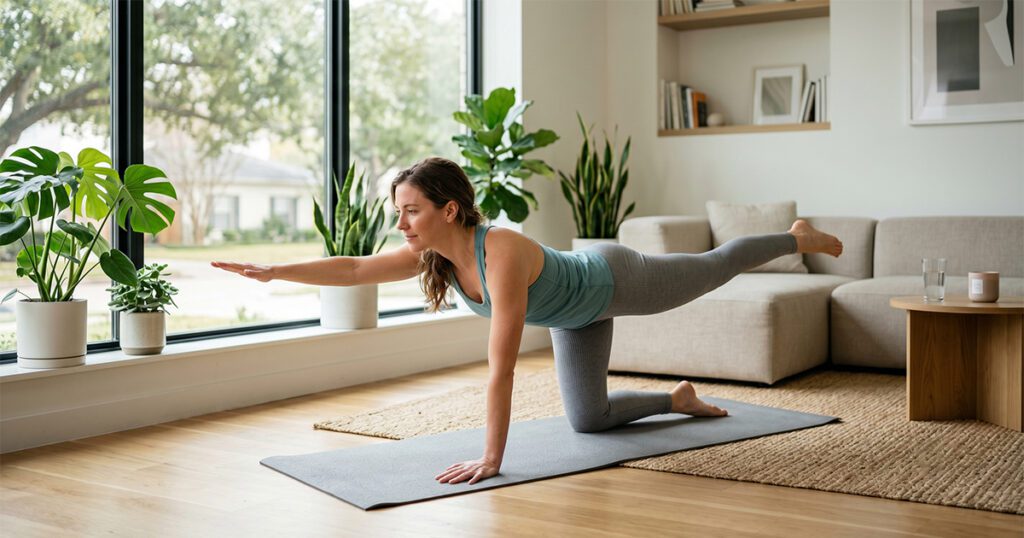
Many people assume that improving their health means becoming a dedicated gym-goer. If you've ever felt intimidated by fitness culture, overwhelmed by workout programs, or simply convinced that exercise isn't for you, you're not alone. The good news is that supporting your metabolism does not require hours in the gym or an intense fitness routine.
In fact, the idea behind How to Support Your Metabolism When You Hate Traditional Workouts is surprisingly simple: consistent movement matters more than perfect workouts. Small, realistic habits can support metabolic health, complement GLP-1 and peptide treatment plans, and help you build momentum without feeling punished.
If you hate traditional workouts, you can still support your metabolism through regular low-impact movement. Short walks, mobility exercises, stretching, household activities, and movement breaks throughout the day can contribute to metabolic and mental health while feeling more sustainable than intense gym-based routines.
Why Low-Impact, Realistic Movement Still Matters
Many people starting a wellness journey feel pressure to become "gym people" overnight. Social media often highlights intense workouts, strict routines, and dramatic transformations. For someone who already feels burned out, busy, or uncomfortable in fitness spaces, that pressure can become a barrier to getting started.
The reality is that movement exists on a spectrum. It is not an all-or-nothing choice between sitting still and training like an athlete.
Even modest activity can support important aspects of health, including:
- Daily energy levels
- Mood and stress management
- Mobility and flexibility
- Cardiovascular health
- Healthy aging
- Metabolic function
- Long-term weight management efforts
For individuals using GLP-1 medications or certain peptide therapies as part of a provider-guided wellness plan, movement can also help support overall lifestyle changes. While medications may influence appetite regulation and other metabolic pathways, healthy habits remain an important part of a comprehensive approach.
Why Consistency Often Beats Intensity
One of the biggest misconceptions about exercise is that harder always means better.
While intense workouts have benefits for some people, they are not the only path toward improved health. A routine that you can maintain consistently is often more valuable than a demanding program you quit after two weeks.
A 15-minute walk you take five days a week is generally more sustainable than a 90-minute workout you dread.
When movement feels manageable, it becomes easier to repeat. Over time, those repetitions add up.
The Mental Health Benefits of Moving More
Movement is not only about calories or weight.
Regular physical activity can support mental well-being by helping reduce stress, improve mood, and create a sense of accomplishment. Many people notice that even a brief walk can help them feel more focused and refreshed.
This matters because emotional health and physical health are deeply connected. When movement feels rewarding rather than punishing, people are often more likely to continue doing it.
Non-Gym Movement That Supports Your Metabolism
If traditional workouts are not your thing, consider expanding your definition of exercise.
Movement can take many forms, and some of the most effective options are surprisingly simple.
Walking
Walking remains one of the most accessible forms of physical activity.
You do not need special equipment, expensive memberships, or advanced skills. A walk around the neighborhood, a stroll during lunch, or a few laps around a local park can contribute to your overall activity level.
Walking may help support:
- Cardiovascular health
- Blood sugar management
- Mood and stress reduction
- Mobility and endurance
For many people, walking is the perfect starting point because it feels approachable.
Mobility and Stretching Sessions
Mobility work focuses on maintaining comfortable movement through your joints and muscles.
These sessions are typically low impact and can be completed in just a few minutes. Many people find them particularly helpful if they spend long hours sitting at a desk.
Benefits may include:
- Improved flexibility
- Better movement quality
- Reduced stiffness
- Enhanced recovery from daily activities
Movement Snacks Throughout the Day
You may have heard the term "movement snacks."
These are short bursts of activity sprinkled throughout the day rather than one dedicated workout session.
Examples include:
- Taking stairs instead of elevators
- Walking while on phone calls
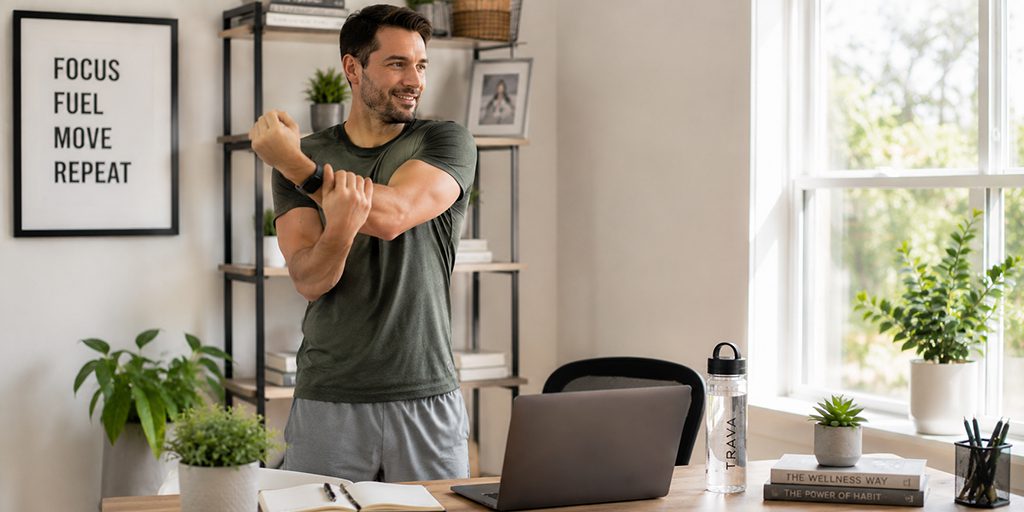
- Performing light stretches between meetings
- Standing up every hour
- Walking around the block after meals
These small actions may not feel significant individually, but they can help reduce prolonged sedentary time.
Household and Yard Activities
Not all movement has to look like exercise.
Activities such as:
- Gardening
- Cleaning
- Organizing
- Mowing the lawn
- Washing the car
can increase physical activity while accomplishing practical tasks.
For many people, these activities feel less intimidating than formal workouts and can still contribute to an active lifestyle.
Recreational Activities You Actually Enjoy
One of the best forms of exercise is often the one you look forward to doing.
Examples include:
- Dancing
- Swimming
- Hiking
- Pickleball
- Cycling
- Walking with friends
- Playing with children or grandchildren
When movement feels enjoyable, consistency tends to follow naturally.
Personalized Compounded GLP-1
Looking for Semaglutide or Tirzepatide? Start your free assessment now!
How Small Habit Design Makes Movement Easier
People often assume they need more motivation. In reality, many wellness experts focus more on environment and habit design.
Making movement easier can be more effective than relying on willpower alone.
Start Smaller Than You Think
Many people create goals that are too ambitious.
Instead of committing to an hour-long workout every day, consider starting with:
- Five minutes of walking
- One mobility session per week
- A short walk after dinner
- Standing during part of a work call
Success builds confidence, and confidence often leads to larger habits over time.
Pair Movement With Existing Habits
Habit stacking can make new behaviors feel more automatic.
Examples include:
| Existing Habit | Movement Pairing |
|---|---|
| Morning coffee | Five-minute walk |
| Lunch break | Walk around the building |
| Evening TV show | Gentle stretching |
| Phone calls | Walk while talking |
| After dinner | Neighborhood walk |
These pairings reduce the need for extra planning.
Remove Friction
The easier a habit is to perform, the more likely you are to stick with it.
Simple strategies include:
- Keeping walking shoes accessible
- Scheduling activity on your calendar
- Choosing activities close to home
- Setting reminders to stand and move
Small environmental changes can create surprisingly large behavioral shifts over time.

How Trava Integrates Movement Guidance Into Treatment Plans
Many people assume wellness care focuses only on prescriptions or supplements. In reality, sustainable health improvements often involve multiple factors working together.
At Trava, movement is viewed as one piece of a broader wellness picture.
A Personalized Approach
Not everyone starts from the same place.
Some patients may already enjoy exercise. Others may be recovering from years of frustration with traditional fitness programs.
Rather than pushing a one-size-fits-all approach, movement recommendations can be adapted to individual preferences, abilities, and goals.
Supporting Lifestyle Change Alongside Treatment
For patients using GLP-1 medications, peptide therapies, or other wellness interventions, movement can complement broader lifestyle efforts.
The goal is not perfection. The goal is finding practical routines that feel realistic enough to maintain.
That may mean:
- Starting with daily walks
- Building mobility routines
- Increasing general activity levels
- Creating sustainable habits over time
Moving Away From Punishment-Based Fitness
Many people have a complicated relationship with exercise because they have experienced it as punishment.
A more sustainable mindset is viewing movement as a form of support rather than correction.
Instead of asking:
"What workout burns the most calories?"
It can be more helpful to ask:
"What type of movement can I realistically enjoy and repeat?"
That shift often changes everything.
Frequently Asked Questions
Can I improve my metabolism without going to the gym?
Yes. Consistent movement of many kinds can support metabolic health. Walking, stretching, recreational activities, household tasks, and mobility exercises can all contribute to a more active lifestyle without requiring a gym membership.
Is walking enough if I'm taking a GLP-1 medication?
Walking can be a valuable form of activity for many people using GLP-1 medications. While individual needs vary, regular walking may support cardiovascular health, mobility, and overall wellness as part of a broader provider-guided plan.
How much movement do I need to get started?
Starting small is often the best approach. Even five to ten minutes of movement per day can help establish consistency. Over time, many people naturally build upon these habits as they become more comfortable.
What if I genuinely dislike exercise?
You are not alone. Many people dislike traditional workouts but enjoy activities such as walking, dancing, hiking, swimming, or gardening. The key is finding movement that feels enjoyable or at least manageable enough to continue consistently.
Can movement help mental health too?
Regular physical activity may support mood, stress management, focus, and overall well-being. Even brief movement breaks throughout the day can help some people feel more energized and mentally refreshed.
Final Thoughts
You do not need to become a fitness enthusiast to support your metabolism.
For many people, the most effective approach is also the simplest: move a little more, move consistently, and choose activities that fit your life. Small actions performed regularly often create more lasting change than ambitious plans that feel impossible to maintain.
If traditional workouts have never felt right for you, that does not mean you have failed. It may simply mean you have not found your version of movement yet.
Get a Wellness Plan That Respects Your Real Life and Preferences
Trava takes a personalized approach to wellness by helping patients build sustainable habits that fit their lifestyles. Whether you're exploring GLP-1 support, peptide therapies, metabolic health optimization, or broader wellness goals, the focus is on realistic progress rather than perfection.
Disclaimer: TRAVA is not affiliated with, Mounjaro, Ozempic, Rybelsus, Saxenda, Trulicity, Wegovy, or Zepbound. However, we do offer alternatives such as Semaglutide and Tirzepatide. Before beginning any treatment, it's essential to consult with a licensed healthcare provider to ensure the best approach for your individual health needs.