
National Hammock Day is a simple reminder that rest is not wasted time. It is one of the ways your body resets, recovers, and supports everyday wellness. For many people, that also raises a practical question: where does glutathione antioxidant support fit into a recovery-focused routine?
Glutathione Antioxidant Support: Rest, Recovery, and Modern Wellness looks at that question in a calm, realistic way. The goal is not to turn rest into another task or make antioxidant support sound like a cure. The goal is to understand how recovery habits, oxidative stress, and provider-guided wellness options can work together.
Quick Answer
Rest and antioxidant support both fit into recovery-focused wellness by helping the body manage daily stress, repair, and balance. Glutathione antioxidant support may be part of a broader routine that includes sleep, hydration, nutrition, movement, and stress management. It is not a detox cure or a guaranteed recovery shortcut, and it should be discussed with a qualified provider when used as part of a wellness plan.
Key Takeaways
- Recovery is an active part of wellness, not laziness.
- Antioxidants help the body manage oxidative stress, but more is not always better.
- Glutathione is a naturally occurring antioxidant involved in cellular support.
- Glutathione antioxidant support should not be described as a detox cure, disease treatment, or guaranteed skin or recovery solution.
- Lifestyle habits such as sleep, hydration, nutrition, and stress management still matter.
- Provider guidance is important when considering any wellness therapy, supplement, or injection-based option.
Personalized Compounded Glutathione
Looking for anti-aging solutions? Start your free assessment now!
Why Recovery Deserves More Attention
Modern wellness often focuses on action: workouts, meal plans, appointments, schedules, and goals. Recovery is easy to treat like an afterthought, but it is part of the system that helps those habits become sustainable.
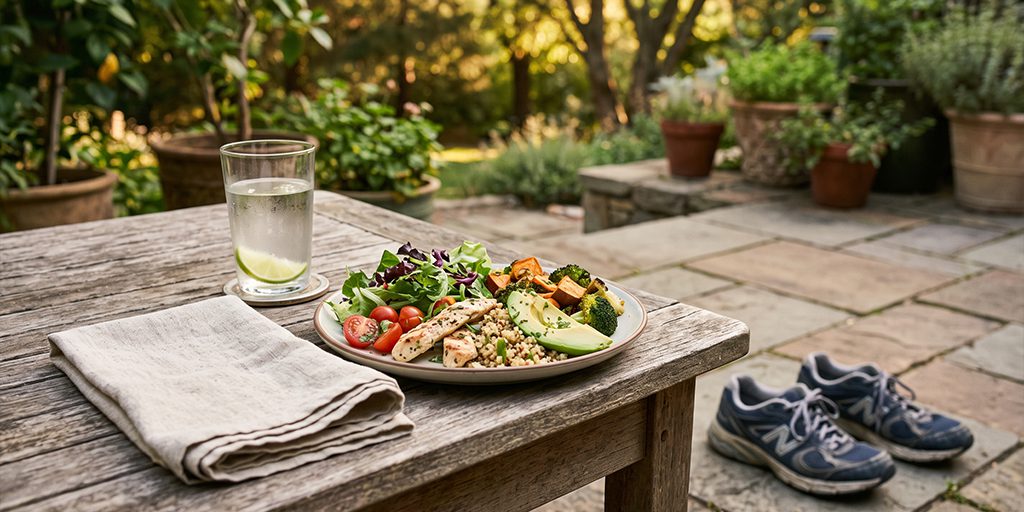
Recovery includes more than sleeping after a hard day. It can include quiet time, lighter movement, hydration, balanced meals, and giving your nervous system a break from constant stimulation. A hammock, a shaded patio, or a slow evening outdoors can be a useful symbol for something the body needs regularly: a chance to settle.
When recovery is ignored, people may feel like they are always pushing but never refilling the tank. That does not mean every tired moment needs a medical solution. It does mean rest deserves a real place in a wellness routine.
What Glutathione Antioxidant Support Means
Glutathione is a substance your body naturally makes. It is involved in antioxidant activity, which means it plays a role in helping the body manage oxidative stress. Oxidative stress can happen when highly reactive oxygen-containing substances are produced in higher amounts than the body can regulate well. The body has its own antioxidant defense systems, and food sources such as fruits, vegetables, and grains can also contribute antioxidant compounds. (NCCIH)
In plain English, antioxidants are part of how the body deals with everyday wear and tear at the cellular level. They are not magic cleaners, instant detox tools, or a replacement for healthy habits.
Glutathione antioxidant support is best understood as one possible wellness-support option within a larger recovery plan. It may interest adults who are focused on recovery, oxidative stress, skin wellness, stress support, or overall wellness optimization. Still, it should be approached with realistic expectations.
Is Glutathione a Detox Cure?
No. Glutathione should not be framed as a detox cure.
The word “detox” is often used too broadly in wellness marketing. Your body already has organs and biological systems that help process and remove waste products. Glutathione is involved in antioxidant and cellular processes, but that does not mean adding glutathione support automatically “cleanses” the body or reverses the effects of stress, poor sleep, alcohol, dehydration, or an inconsistent lifestyle.
A more responsible way to think about it is this: glutathione antioxidant support may be part of a provider-guided wellness routine, but it should not be treated as a shortcut around rest, nutrition, hydration, and medical guidance.
Rest Habits That Support Recovery
Rest does not always have to mean doing nothing. It can mean choosing habits that give the body more room to recover.
Prioritize Sleep Consistency
Sleep is one of the most important recovery habits. A consistent sleep schedule can help support energy, mood, appetite regulation, and overall daily function. For many people, the first step is not a complicated sleep routine. It is simply creating a calmer evening and protecting enough time for rest.
Hydrate Throughout the Day
Hydration supports normal body function and can affect how you feel physically and mentally. Water, electrolyte balance, and regular meals often matter more than people realize, especially during hot weather, travel, exercise, or stressful weeks.
Eat Antioxidant-Rich Foods
A food-first approach is usually a strong foundation for antioxidant support. Fruits, vegetables, grains, and other plant-forward foods contain many naturally occurring compounds. Research has not shown that antioxidant supplements work the same way as antioxidant-rich foods for disease prevention, and high-dose antioxidant supplements can carry risks for some people. (NCCIH)
Build in Quiet Recovery Time
National Hammock Day is a good excuse to make rest visible. Sit outside. Read. Stretch lightly. Take a short break from screens. Let the body shift out of constant output mode.
Quiet time does not have to be perfect or long. Even a small pause can help turn recovery into a repeatable habit instead of an occasional luxury.
Glutathione Antioxidant Support vs. Lifestyle Recovery Habits
Glutathione antioxidant support and lifestyle recovery habits are not the same thing. They may fit into the same wellness conversation, but they play different roles.
| Recovery Area | What It Supports | What to Keep in Mind |
|---|---|---|
| Sleep | Daily recovery, energy, mood, routine consistency | Poor sleep cannot usually be solved by one wellness product |
| Hydration | Normal body function, exercise recovery, heat and travel support | Needs can vary by activity, climate, and health status |
| Nutrition | Antioxidant intake, metabolic wellness, steady energy | Food variety matters more than one “superfood” |
| Stress management | Nervous system balance, daily resilience, emotional recovery | Rest is a habit, not a one-time fix |
| Glutathione antioxidant support | Antioxidant-focused wellness and cellular support | Should be provider-guided and not framed as a cure |
This is why a balanced wellness plan usually starts with the basics. Glutathione may be worth discussing, but it should not replace the core habits that help the body recover day after day.

Why Provider Guidance Matters
Provider guidance matters because antioxidant support is not automatically right for everyone. Supplements and wellness therapies can interact with medications, health conditions, cancer treatments, pregnancy, nursing, and other personal factors. NCCIH advises people considering dietary supplements to use reliable sources and talk with a healthcare provider, especially because supplements may interact with medications or contain ingredients not listed on the label. (NCCIH)
TRAVA is a modern telehealth and wellness brand focused on provider-guided support. In this context, provider-guided care means a licensed professional can review your health history, goals, current medications, and wellness concerns before helping you decide what may or may not fit.
That kind of review matters for glutathione, peptides, NAD+, B12, Lipo-B, Lipo-C, metformin, tretinoin, GLP-1 medications, semaglutide, tirzepatide, compounded medication options, and other prescription or wellness treatments. Some options require a prescription. Some may not be appropriate for certain people. Some may need follow-up care, side effect review, or monitoring.
Who May Be Interested in Glutathione Antioxidant Support?
Glutathione antioxidant support may interest adults who are thinking about:
- Recovery after stressful periods
- Antioxidant-focused wellness routines
- Skin wellness from an inside-out perspective
- Wellness optimization with provider guidance
- Supportive habits alongside sleep, hydration, and nutrition
- A more structured approach to rest and recovery
Interest does not automatically mean eligibility. A provider can help determine whether glutathione support makes sense based on your personal health background.
Questions to Ask Your Provider About Glutathione
Before starting glutathione antioxidant support, consider asking:
- Am I a good candidate for glutathione support based on my health history?
- Are there any medications, conditions, or treatments that could affect whether this is appropriate for me?
- What form of glutathione support are we discussing, and why?
- What side effects or reactions should I watch for?
- How will we decide whether this fits my wellness goals?
- What lifestyle habits should I prioritize alongside antioxidant support?
- Is there any reason I should avoid antioxidant supplements or therapies?
These questions help keep the conversation practical and medically responsible.
FAQs
What is glutathione antioxidant support?
Glutathione antioxidant support refers to wellness support focused on glutathione, a naturally occurring antioxidant involved in cellular processes. It is often discussed in relation to oxidative stress, recovery, and general wellness optimization. It should not be described as a cure, a guaranteed detox solution, or a replacement for sleep, hydration, nutrition, and provider guidance.
Can rest support the body’s stress response?
Rest can support recovery by giving the body time to reset after physical, mental, or emotional strain. It may include sleep, quiet time, lighter activity, screen breaks, and calming routines. Rest is not laziness. It is one part of a broader wellness plan that may also include nutrition, hydration, movement, and medical guidance when needed.
Is glutathione good for skin wellness?
Glutathione is often discussed in wellness conversations related to skin health, but it should not be promoted with dramatic skin-lightening claims or guaranteed cosmetic results. A responsible approach focuses on antioxidant support, overall wellness habits, hydration, nutrition, sleep, sun protection, and provider-guided care when considering any wellness therapy.
Are antioxidant supplements always safe?
No. Antioxidant supplements are not automatically safe for everyone, especially at high doses or when combined with certain medications or treatments. NCCIH notes that antioxidant supplements can have harmful effects in some situations and may interact with medicines or cancer treatments. A healthcare provider can help you decide what is appropriate for your situation. (NCCIH)
What is the best way to start a recovery-focused wellness routine?
Start with the basics: consistent sleep, hydration, balanced meals, light movement, stress management, and realistic routines you can repeat. If you are interested in glutathione antioxidant support, talk with a qualified provider about your goals, health history, possible risks, and whether it fits into your broader wellness plan.
Conclusion
National Hammock Day is a lighthearted reminder of something important: recovery deserves space. Rest, hydration, nutrition, and stress management are not extras. They are part of how the body supports balance over time.
Glutathione antioxidant support may have a place in a recovery-focused wellness routine, but it should be approached carefully and realistically. It is not a detox cure, not a guaranteed skin solution, and not a substitute for healthy habits or medical guidance.
If you are curious about provider-guided glutathione and recovery support, TRAVA can help you explore wellness options through a modern telehealth experience designed around education, safety, and personalized review.
Disclaimer: TRAVA is not affiliated with, Mounjaro, Ozempic, Rybelsus, Saxenda, Trulicity, Wegovy, or Zepbound. However, we do offer alternatives such as Semaglutide and Tirzepatide. Before beginning any treatment, it's essential to consult with a licensed healthcare provider to ensure the best approach for your individual health needs.