GLP-1's as low as $89. Get Started.
1 in 8 adults are on a GLP-1
Learn More
Our Business
Products
Menu

Why Having Real People in Your Corner Makes All the Difference During National Nurses Week
Our Editorial Team
National Nurses Week is a reminder that healthcare is still deeply human. In a time when many digital health experiences rely heavily on automation, chatbots, and long wait times, supportive care can make a major difference. The value of real people in telehealth continues to grow as more patients look for guidance, responsiveness, and trust throughout their wellness journey.
The importance of real people in telehealth support goes beyond convenience. Human-centered care helps patients feel heard, supported, and confident in their wellness decisions. When clinical oversight is combined with responsive communication and compassionate service, the healthcare experience becomes more personal, approachable, and effective.
Telehealth has made healthcare more accessible for millions of people. However, accessibility alone does not always create a positive experience. Many patients still want reassurance, guidance, and communication from actual care teams, especially when discussing wellness goals, medications, recovery, or long-term health support.
The Growing Human Support Gap in Telehealth
The rise of telehealth has transformed the healthcare landscape. Online appointments, digital intake forms, and app-based communication have simplified many parts of the patient experience. At the same time, some platforms have become overly automated.
Patients often encounter:
Automated responses
Difficult customer service systems
Delayed communication
Limited access to real support staff
Confusing care processes
Technology can improve efficiency, but healthcare is not only about efficiency. People still value connection, communication, and trust when navigating wellness and medical decisions.
National Nurses Week highlights the people behind healthcare systems. Nurses, support staff, care coordinators, and medical professionals all play important roles in helping patients feel informed and supported throughout their healthcare experience.
Why Real Human Support Matters in Healthcare
Healthcare conversations can feel personal and emotional. Questions about wellness goals, medications, side effects, recovery, energy levels, or treatment plans often require reassurance and clear communication.
Support Builds Confidence
When patients can connect with real people, they often feel more comfortable asking questions and seeking guidance. Supportive communication helps reduce confusion and encourages patients to stay engaged with their care plans.
This type of support may include:
Answering questions promptly
Explaining next steps clearly
Helping patients understand provider guidance
Offering encouragement throughout the process
Providing responsive follow-up communication
Clear communication can help patients feel less overwhelmed and more informed.
Human Interaction Helps Create Trust
Trust plays a major role in healthcare. Patients want to know there are experienced professionals supporting them throughout the process.
While digital tools can streamline healthcare, trust is often built through:
Consistent communication
Compassionate interactions
Clinical oversight
Personalized support
Reliable follow-up care
Supportive care helps create a stronger connection between patients and providers.

What Supportive Care Looks Like in Practice
Supportive care is not limited to medical appointments. It includes the entire patient experience from start to finish.
Responsive Communication
Patients appreciate knowing they can reach someone when questions arise. Whether asking about scheduling, provider instructions, wellness programs, or general support, responsive communication can improve the overall experience.
Long delays and automated loops can increase frustration. Human interaction helps create smoother communication and clearer expectations.
Guidance Throughout the Process
Many wellness journeys involve multiple steps. Patients may need guidance while:
Completing intake forms
Understanding provider recommendations
Learning about treatment options
Navigating wellness plans
Following ongoing protocols
Support teams help simplify the process and make healthcare feel more approachable.
Clinical Oversight Matters
Telehealth should still include responsible medical oversight. Clinical guidance helps ensure wellness support remains personalized and medically appropriate.
Patients often feel more confident when experienced healthcare professionals are involved in reviewing treatment plans and wellness goals.
How TRAVA Embeds Real People Into the Experience
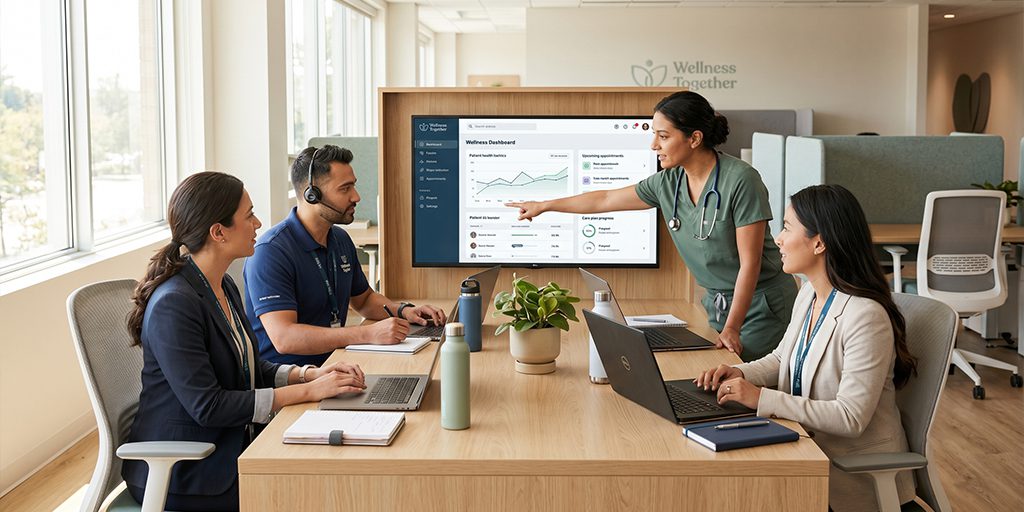
At TRAVA, the focus is not only on modern telehealth technology but also on creating a supportive patient experience centered around real human interaction.
Real Support From Real People
One of the biggest frustrations many patients experience with online healthcare platforms is the inability to speak with actual people. Automated systems can create distance between patients and the support they need.
TRAVA prioritizes human connection by offering support from real care team members who help guide patients throughout the process.
That support may include:
Answering questions about services
Assisting with onboarding
Helping patients understand next steps
Providing responsive communication
Supporting patients throughout their wellness journey
A More Personalized Telehealth Experience
Telehealth does not need to feel cold or transactional. A supportive approach can make healthcare feel more approachable and less intimidating.
TRAVA combines:
Digital Convenience | Human Support |
|---|---|
Online accessibility | Responsive care teams |
Streamlined processes | Real communication |
Provider-guided wellness | Personalized support |
Modern telehealth tools | Compassionate service |
This combination helps create a more balanced healthcare experience.
Why Clinical Guidance and Responsive Service Create Better Experiences
Supportive care is not simply about friendliness. It also helps improve clarity, communication, and patient confidence.
Better Understanding Leads to Better Engagement
When patients understand their wellness plans, they are often more likely to stay engaged and consistent with provider guidance.
Educational support can help patients:
Understand realistic expectations
Learn how wellness programs work
Navigate questions about medications or treatments
Feel more informed about long-term wellness support
Wellness Support Is Not One-Size-Fits-All
Every patient has different goals, schedules, experiences, and health histories. Human support allows care teams to provide more personalized communication rather than generic automated responses.
That level of personalization can help patients feel seen and supported throughout the process.
The Human Side of Wellness Optimization
Modern wellness conversations often include topics like:
Metabolic health
Recovery support
Healthy aging
Energy optimization
Weight management
Lifestyle support
These conversations can feel complex, especially when patients are researching options online. Human guidance helps simplify information and provide clarity.
Wellness Should Feel Collaborative
Supportive care creates a more collaborative experience between patients and providers. Instead of feeling like patients are navigating healthcare alone, they have access to real people who can help guide the process.
This type of support can make a meaningful difference in how patients experience telehealth.
Why National Nurses Week Matters More Than Ever
National Nurses Week is about recognizing the people who help make healthcare more compassionate, supportive, and patient-centered.
As healthcare continues evolving digitally, the value of human interaction remains incredibly important.
Technology can improve access, but people still matter. Responsive communication, compassionate care, and supportive guidance continue to shape positive healthcare experiences.
The most effective healthcare experiences often combine:
Modern technology
Clinical oversight
Human communication
Educational support
Personalized care
That balance helps create healthcare experiences built on trust and connection.

FAQs About Human Support in Telehealth
Why is human support important in telehealth?
Human support helps patients feel more informed, comfortable, and confident throughout their healthcare experience. Responsive communication and personalized guidance can improve clarity and trust while helping patients navigate wellness plans more easily.
Can telehealth still feel personal?
Yes. Telehealth platforms that prioritize real communication and supportive care teams can create more personalized experiences. Human interaction helps healthcare feel more approachable, even in digital environments.
What does supportive care mean in telehealth?
Supportive care includes responsive communication, guidance throughout the patient journey, educational resources, and access to real care teams who can answer questions and provide assistance when needed.
Why do patients prefer real people over chatbots in healthcare?
Many patients value direct communication when discussing healthcare and wellness topics. Speaking with real people can reduce confusion, improve trust, and create a more reassuring experience compared to fully automated systems.
How does TRAVA approach patient support?
TRAVA combines modern telehealth convenience with responsive human support. The care experience focuses on provider-guided wellness, real communication, and helping patients feel supported throughout their journey.
Conclusion
Healthcare may continue becoming more digital, but human connection still matters. National Nurses Week serves as an important reminder that supportive care, compassionate communication, and responsive guidance remain essential parts of the patient experience.
Telehealth works best when modern convenience is paired with real human support. Patients want accessibility, but they also want trust, communication, and reassurance from actual people who care about their experience.
Experience telehealth with real human support. TRAVA’s care team is here to help guide your wellness journey with responsive, provider-guided care.
Disclaimer: TRAVA is not affiliated with, Mounjaro, Ozempic, Rybelsus, Saxenda, Trulicity, Wegovy, or Zepbound. However, we do offer alternatives such as Semaglutide and Tirzepatide. Before beginning any treatment, it's essential to consult with a licensed healthcare provider to ensure the best approach for your individual health needs.
Related Posts

NAD+ for Longevity Explained Simply
News, Anti-Aging | By Our Editorial Team

NAD+ Injections: What to Expect
News, Anti-Aging | By Our Editorial Team
Recent Posts
National Lazy Mom’s Day: Energy Support for Busy Caregivers Without the Guilt
Lipo-C and Metabolic Wellness: What It Is and What to Expect
Tretinoin Purging vs. Irritation: How to Tell the Difference
Sermorelin and Sleep: Why Recovery Starts at Night
NAD+ and Brain Fog: What Wellness Seekers Should Know
Archives
September 2026
August 2026
July 2026
June 2026
May 2026
April 2026
March 2026
February 2026
January 2026
November 2025
October 2025
September 2025
August 2025
February 2025
January 2025
December 2024
November 2024
September 2024
August 2024
July 2024
June 2024
May 2024
April 2024
March 2024
February 2024
January 2024
Categories
Uncategorized
News
Weight Loss
Telehealth Weight Loss Treatment
Weight Loss Program
Anti-Aging
Metabolic Health
Home
General
Peptide Therapy
Skincare
