GLP-1's as low as $89. Get Started.
1 in 8 adults are on a GLP-1
Learn More
Our Business
Products
Menu

Who’s on Your Care Team at Trava? A Behind-the-Scenes Look
Our Editorial Team
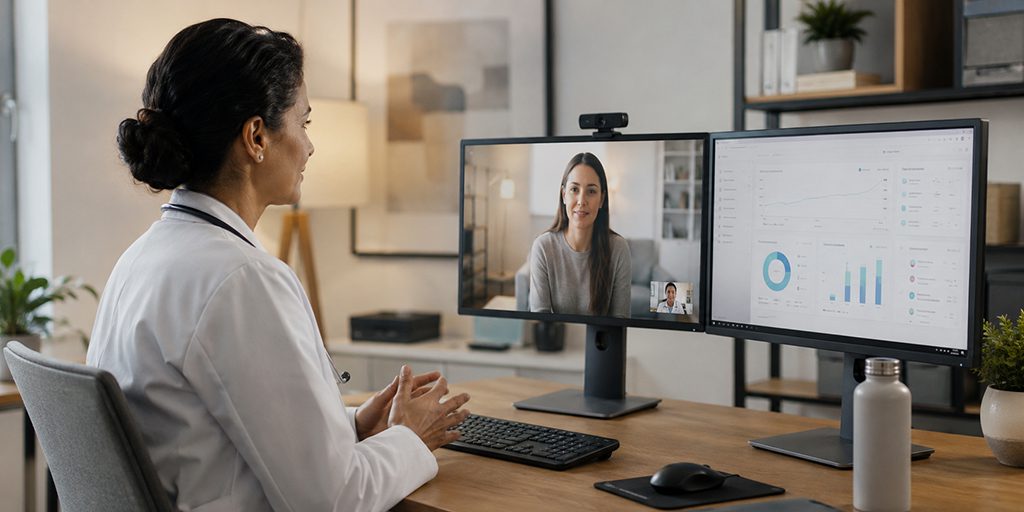
When people begin a telehealth wellness journey, one of the most common questions is simple: who is actually reviewing my information and helping guide my care? Understanding the people behind your treatment can make a meaningful difference in your confidence and overall experience. That is why taking a closer look at the Trava care team helps illustrate how personalized, provider-guided wellness support works in a modern telehealth setting.
The Trava care team includes licensed clinicians and support professionals who work together to review patient information, monitor progress, evaluate treatment options, and provide ongoing guidance. Through structured workflows, clinical oversight, safety reviews, and patient support systems, the team helps deliver consistent, responsible, and personalized telehealth care.
Why Knowing Your Care Team Matters
Telehealth has made healthcare and wellness support more accessible than ever. Patients can connect with providers from home, access treatment plans more conveniently, and receive ongoing support without frequent office visits.
At the same time, telehealth can sometimes feel distant. When communication happens through digital platforms, it is natural to wonder who is reviewing your information, making clinical decisions, and helping guide your wellness journey.
Behind every patient interaction is a team of real people working together to support safe, thoughtful, and individualized care.
The goal is not simply to prescribe treatments. The goal is to understand each patient's unique situation and help them make informed decisions about their health.
How the Trava Care Team Is Structured and Trained
A strong telehealth experience depends on more than technology. It depends on the people using that technology to deliver quality care.
The Trava care team includes clinicians, medical professionals, and support staff who each play a role in helping patients navigate their wellness goals.
Clinicians Focused on Individualized Care
Licensed clinicians are responsible for evaluating patient information, reviewing health histories, assessing eligibility for treatment options, and making clinical recommendations when appropriate.
Rather than following a one-size-fits-all approach, providers consider factors such as:
Medical history
Current medications
Health goals
Lifestyle habits
Previous treatment experiences
Potential risks and contraindications
This helps ensure recommendations are appropriate for each individual situation.
Support Staff Who Help Keep Care Moving
Patient support professionals are often the people who help coordinate communication, answer questions, assist with onboarding, and guide patients through various stages of care.
While support staff do not make medical decisions, they play an important role in helping patients stay informed and connected throughout the process.
Many patients find that having responsive support helps make telehealth feel more personal and approachable.
Ongoing Training and Education
Healthcare and wellness recommendations continue to evolve as new research emerges.
That is why continuing education remains an important part of professional development for clinicians and healthcare teams.
Training may include areas such as:
Metabolic health
Weight management strategies
GLP-1 medications
Lifestyle medicine
Patient communication
Clinical safety protocols
Regulatory and compliance updates
By staying informed, providers can continue delivering evidence-based guidance that reflects current standards of care.

How Decisions, Dose Changes, and Safety Checks Happen
One of the biggest misconceptions about telehealth is that treatment decisions happen automatically.
In reality, responsible telehealth care relies on structured review processes and clinical oversight.
Initial Evaluations
Before recommendations are made, providers review information submitted by patients.
This review may include:
Evaluation Area | Why It Matters |
|---|---|
Medical History | Helps identify relevant health factors |
Current Medications | Supports safe treatment planning |
Health Goals | Guides personalized recommendations |
Lifestyle Factors | Provides context for long-term success |
Risk Factors | Helps identify potential concerns |
Previous Treatments | Offers insight into what has or has not worked before |
The goal is to create a complete picture rather than focusing on a single number or symptom.
Monitoring Progress Over Time
Health journeys rarely follow a perfectly straight path.
As patients progress, providers may review updates related to:
Weight trends
Appetite changes
Energy levels
Lifestyle habits
Side effects
Treatment adherence
Wellness goals
This ongoing evaluation allows care plans to evolve when appropriate.
How Dose Adjustments Are Considered
When medications are involved, adjustments are not typically based on speed alone.
Providers often evaluate multiple factors before considering changes, including:
Patient response
Tolerability
Reported side effects
Overall progress
Clinical appropriateness
For example, GLP-1 medications are commonly used to support appetite regulation and weight management. However, treatment decisions remain individualized and provider-guided. Not every patient follows the same timeline or requires the same approach.
Quality Controls and Case Reviews
Consistency is important in healthcare.
Many telehealth organizations use internal quality processes to help ensure patient care remains aligned with established clinical standards.
These processes may include:
Clinical protocols
Peer collaboration
Case reviews
Documentation standards
Safety monitoring procedures
Ongoing compliance oversight
These safeguards help support thoughtful decision-making while maintaining patient-centered care.
The Human Side of Telehealth Care
Technology may facilitate communication, but relationships remain an important part of the healthcare experience.
Behind every chart review, treatment recommendation, and patient message is a team of people focused on helping individuals navigate real-life challenges.
Supporting Patients Through Plateaus
A patient may initially see progress toward a wellness goal and then experience a slowdown.
Rather than viewing this as failure, clinicians often evaluate the broader picture.
Questions may include:
Has routine consistency changed?
Has stress increased?
Has sleep quality declined?
Are lifestyle habits still aligned with goals?
Is the current treatment plan still appropriate?
This type of evaluation helps create more realistic and sustainable expectations.
Helping Patients Navigate Side Effects
Some patients may experience concerns or side effects while adjusting to a new wellness program or medication.
When questions arise, clinical teams can help patients understand what may be expected, what should be monitored, and when additional evaluation may be necessary.
Providing guidance during these moments can help patients feel supported and informed.
Encouraging Long-Term Success
Many people begin a wellness journey focused on a specific goal, such as weight loss.
Over time, conversations often expand to include broader areas of health, including:
Sleep quality
Physical activity
Nutrition habits
Recovery
Stress management
Energy levels
Long-term metabolic health
These broader discussions can help patients build sustainable habits that support overall wellness.
What Makes Personalized Care Different?
Personalized care does not mean creating entirely different rules for every patient.
Instead, it means applying clinical expertise to each person's unique situation.
Two patients may have similar goals but require different recommendations based on:
Medical history
Current health status
Lifestyle factors
Previous experiences
Individual preferences
This personalized approach helps ensure care decisions remain patient-centered rather than purely protocol-driven.
Building Trust Through Transparency
Trust is an important part of any healthcare relationship.
Patients deserve to understand:
Who is involved in their care
How decisions are made
What safety measures are in place
What realistic expectations look like
Where to turn with questions
By providing transparency around clinical processes and team structures, telehealth care can feel more approachable and more human.
The technology may be modern, but the foundation remains the same: knowledgeable professionals working together to support patient health and wellness.

Frequently Asked Questions
Who is part of the Trava care team?
The Trava care team may include licensed clinicians, healthcare professionals, and patient support staff who work together to review patient information, coordinate care, provide guidance, and help support ongoing wellness goals through a structured telehealth experience.
How are treatment decisions made at Trava?
Treatment decisions are based on provider review of factors such as medical history, health goals, current medications, lifestyle considerations, and overall clinical appropriateness. Recommendations are individualized and designed to support safe, responsible care.
Does telehealth provide the same level of clinical oversight as in-person care?
Telehealth still involves licensed healthcare professionals reviewing patient information and making clinical decisions. Structured workflows, documentation standards, safety protocols, and ongoing monitoring help support quality care in a virtual environment.
How often are patient progress and treatment plans reviewed?
Review frequency varies depending on individual needs and treatment plans. Providers may evaluate progress through follow-up communication, health updates, reported outcomes, and ongoing assessments to determine whether adjustments are appropriate.
Why is having a support team important during a wellness journey?
Health goals often involve lifestyle changes, questions, and occasional challenges. A support team can help provide guidance, answer questions, coordinate communication, and help patients stay engaged with their wellness plan over time.
Conclusion
Telehealth may happen through screens and digital platforms, but real people remain at the center of the experience. The Trava care team combines clinical expertise, structured safety processes, ongoing education, and patient-focused support to help create a thoughtful and personalized wellness journey.
Whether someone is exploring metabolic health support, weight management options, or broader wellness goals, understanding who is behind the care process can help build confidence and trust along the way.
Meet Your Care Team and Start Your Trava Journey
If you're looking for provider-guided wellness support, Trava's team is here to help you better understand your options, navigate your goals, and receive personalized care designed around your individual needs. Connect with the Trava care team and take the next step in your wellness journey.
Disclaimer: TRAVA is not affiliated with, Mounjaro, Ozempic, Rybelsus, Saxenda, Trulicity, Wegovy, or Zepbound. However, we do offer alternatives such as Semaglutide and Tirzepatide. Before beginning any treatment, it's essential to consult with a licensed healthcare provider to ensure the best approach for your individual health needs.
Related Posts

NAD+ for Longevity Explained Simply
News, Anti-Aging | By Our Editorial Team

NAD+ Injections: What to Expect
News, Anti-Aging | By Our Editorial Team
Recent Posts
National Lazy Mom’s Day: Energy Support for Busy Caregivers Without the Guilt
Lipo-C and Metabolic Wellness: What It Is and What to Expect
Tretinoin Purging vs. Irritation: How to Tell the Difference
Sermorelin and Sleep: Why Recovery Starts at Night
NAD+ and Brain Fog: What Wellness Seekers Should Know
Archives
September 2026
August 2026
July 2026
June 2026
May 2026
April 2026
March 2026
February 2026
January 2026
November 2025
October 2025
September 2025
August 2025
February 2025
January 2025
December 2024
November 2024
September 2024
August 2024
July 2024
June 2024
May 2024
April 2024
March 2024
February 2024
January 2024
Categories
Uncategorized
News
Weight Loss
Telehealth Weight Loss Treatment
Weight Loss Program
Anti-Aging
Metabolic Health
Home
General
Peptide Therapy
Skincare
