GLP-1's as low as $89. Get Started.
1 in 8 adults are on a GLP-1
Learn More
Our Business
Products
Menu

Sleep-Friendly Evening Routines for Peptide Users
Our Editorial Team
Modern wellness treatments can support goals like weight management, recovery, metabolic health, and healthy aging. However, when starting therapies such as GLP-1 medications, NAD+ support, or Sermorelin, some people notice changes in their sleep patterns. Learning how to build a sleep-friendly evening routine around your treatments can help support better rest, recovery, and overall wellness.
A well-designed evening routine does not need to be complicated. Small adjustments to lighting, screen habits, meal timing, and relaxation practices can often make a meaningful difference in how you feel at night and the next day.
What Is a Sleep-Friendly Evening Routine for Peptide Users?
A sleep-friendly evening routine for peptide users focuses on creating habits that support healthy sleep while working alongside treatments such as GLP-1 medications, NAD+, and Sermorelin. Key strategies include limiting screen exposure before bed, avoiding late-night eating, maintaining a consistent sleep schedule, and incorporating calming activities like stretching and breath work.
Why Evening Habits Matter When You're on Modern Wellness Treatments
Sleep plays a major role in overall health. During sleep, the body performs important recovery processes that affect energy levels, appetite regulation, metabolism, mood, and physical recovery.
Many people begin wellness treatments with goals such as:
Weight loss
Improved metabolic health
Better energy levels
Enhanced recovery
Healthy aging support
Because sleep influences all of these areas, evening habits can have a bigger impact than many people realize.
Some individuals notice temporary sleep changes when beginning new treatments. These changes are not necessarily a sign that something is wrong, but they can be useful signals that your routine, treatment schedule, or lifestyle habits may need adjustment.

Common Sleep Complaints and How to Interpret Them
Difficulty Falling Asleep
Some people report feeling more alert than usual when starting certain wellness therapies. This may be related to changes in energy levels, meal timing, daily routines, or other lifestyle factors.
If you find yourself lying awake at night, it can help to evaluate:
Caffeine consumption throughout the day
Evening screen exposure
Exercise timing
Stress levels
Consistency of your sleep schedule
In many cases, simple adjustments can improve sleep quality.
Changes in Appetite at Night
GLP-1 medications are designed to influence appetite and feelings of fullness. As eating habits change, some people notice differences in their usual evening hunger patterns.
For some individuals, this means fewer late-night cravings. For others, irregular meal timing during the day may create hunger closer to bedtime.
Paying attention to meal timing and hunger cues can help create a more predictable evening routine.
Nighttime Restlessness
Restlessness can have many causes, including stress, inconsistent sleep schedules, excess screen time, or stimulating activities before bed.
Rather than assuming a treatment is solely responsible, it is often helpful to look at the bigger picture. Lifestyle factors frequently play a significant role in sleep quality.
Waking Up During the Night
Occasional nighttime waking is common. Factors such as hydration, meal timing, stress, room temperature, and sleep environment can all contribute.
Tracking patterns over time may help identify potential triggers and provide useful information to discuss with your healthcare provider.
How to Build a Sleep-Friendly Evening Routine Around Your Treatments
Creating an effective evening routine does not require a complete lifestyle overhaul. Small, consistent habits often produce the most sustainable results.
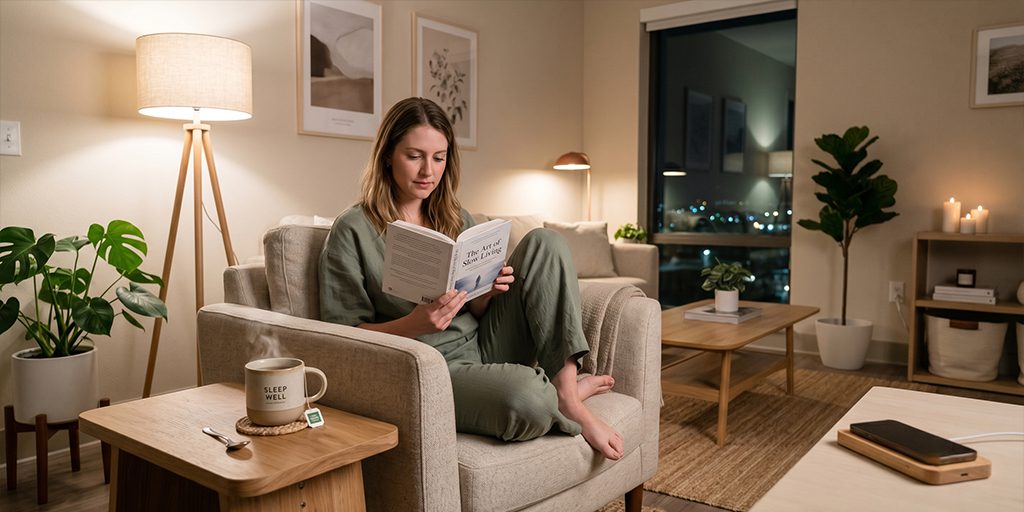
Create a Consistent Wind-Down Window
One of the most effective sleep habits is establishing a dedicated wind-down period before bed.
Aim for 30 to 60 minutes of lower-stimulation activities each evening.
Examples include:
Reading a book
Gentle stretching
Journaling
Meditation
Light mobility exercises
Listening to calming music
Consistency helps signal to your body that it is time to transition into sleep mode.
Reduce Screen Exposure Before Bed
Artificial light from phones, tablets, laptops, and televisions can interfere with the body's natural sleep signals.
If possible, begin reducing screen use at least 30 to 60 minutes before bedtime.
Helpful strategies include:
Using night mode settings
Dimming screens in the evening
Keeping devices out of the bedroom
Replacing scrolling with relaxing activities
Even modest reductions in evening screen time can support healthier sleep habits.
Be Mindful of Late-Night Snacking
Food timing can influence both digestion and sleep quality.
Many people using GLP-1 medications notice changes in appetite and eating patterns. Rather than eating large meals late in the evening, consider finishing your last meal several hours before bedtime when possible.
This approach may help support:
Comfortable digestion
More consistent hunger signals
Better sleep quality
Improved overnight recovery
If you do need a snack, choose something light and balanced rather than highly processed foods or sugary treats.
Support a Relaxing Sleep Environment
Your bedroom environment can have a significant impact on sleep quality.
Consider optimizing factors such as:
Sleep Factor | Helpful Adjustment |
|---|---|
Lighting | Keep lights dim in the evening |
Temperature | Maintain a cool, comfortable room |
Noise | Use white noise or earplugs if needed |
Devices | Remove unnecessary electronics |
Bedding | Prioritize comfort and support |
Creating a consistent sleep environment can reinforce healthy sleep cues night after night.
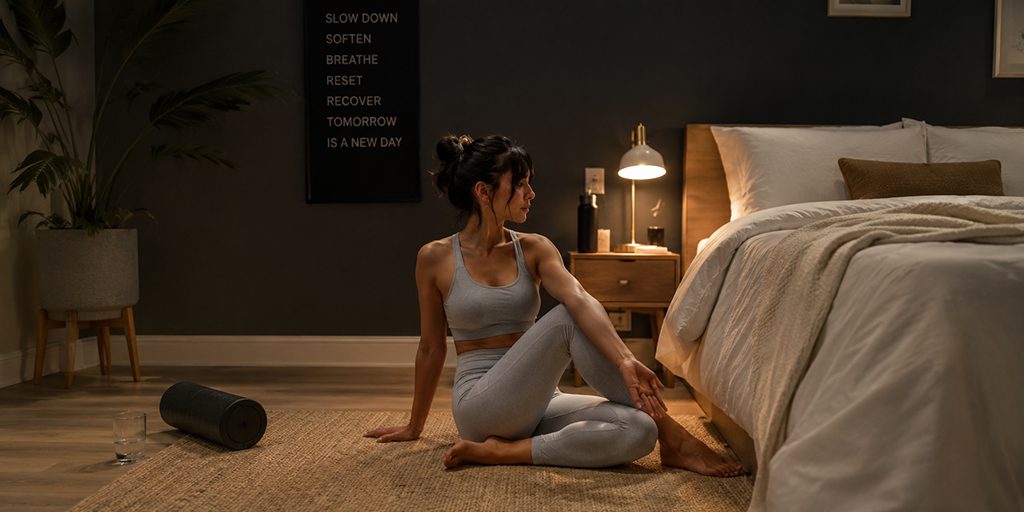
Add Gentle Stretching Before Bed
Stretching can help release physical tension accumulated throughout the day.
Simple movements may include:
Neck stretches
Shoulder mobility work
Hip openers
Hamstring stretches
Gentle spinal rotations
The goal is relaxation, not intense exercise.
Five to ten minutes of light stretching is often enough to support a smoother transition into sleep.
Practice Breath Work for Relaxation
Breathing exercises can help calm the nervous system and prepare the body for rest.
Simple techniques include:
Box Breathing
Inhale for four counts
Hold for four counts
Exhale for four counts
Hold for four counts
Repeat for several minutes.
Extended Exhale Breathing
Inhale for four counts
Exhale for six to eight counts
Longer exhalations may help encourage a relaxation response.
These practices can be particularly helpful for people who feel mentally active at bedtime.
Consider Treatment Timing
Depending on your individual care plan, treatment timing may influence how you feel throughout the day.
Some people find that adjusting when they take certain medications or wellness therapies improves comfort and consistency.
Any treatment changes should always be discussed with your healthcare provider before making adjustments.
Sleep, Recovery, and Wellness Goals
Sleep affects much more than energy levels.
Healthy sleep supports:
Recovery from exercise
Appetite regulation
Metabolic function
Cognitive performance
Mood and emotional wellness
Long-term health goals
When sleep is consistently disrupted, it may become more difficult to maintain healthy routines in other areas.
This is why many healthcare providers view sleep as a foundational component of overall wellness planning.
How Trava Helps Troubleshoot Sleep as Part of the Care Plan
At Trava, wellness support extends beyond simply prescribing treatments.
Sleep is often discussed as part of a broader conversation about lifestyle, recovery, nutrition, movement, and long-term health goals.
When patients report sleep-related concerns, providers may evaluate factors such as:
Treatment timing
Nutrition habits
Evening routines
Stress management
Physical activity levels
Recovery practices
Because every individual responds differently, personalized guidance can help identify strategies that fit a patient's unique needs and goals.
Rather than focusing on a single symptom, the goal is to understand how sleep fits into the larger picture of overall wellness.
Frequently Asked Questions
Can GLP-1 medications affect sleep?
Some individuals report changes in sleep patterns when starting GLP-1 medications. These experiences vary from person to person. Sleep changes may also be influenced by factors such as meal timing, lifestyle habits, stress, and overall routine.
Is NAD+ best taken in the morning or evening?
Many people prefer NAD+ support earlier in the day because it is often associated with energy and cellular function. However, individual recommendations can vary, and treatment timing should be discussed with a healthcare provider.
Does Sermorelin work better with good sleep habits?
Sleep is an important part of recovery and overall wellness. Maintaining healthy sleep habits may help support the broader wellness goals that often accompany Sermorelin treatment plans.
How long should my evening routine be?
Most people benefit from a wind-down routine lasting 30 to 60 minutes. The key is consistency rather than duration. Even a short routine practiced regularly can help establish stronger sleep habits.
What is the most important part of a sleep-friendly evening routine?
Consistency is often the biggest factor. Going to bed at a similar time, reducing screen exposure, managing food timing, and creating a calming environment can all work together to support better sleep.
Conclusion
Modern wellness treatments can be an important part of a comprehensive health strategy, but daily habits still matter. A sleep-friendly evening routine can help support recovery, appetite awareness, energy levels, and overall well-being.
Simple changes such as limiting screen time, avoiding late-night eating, practicing breath work, and maintaining a consistent bedtime often have a greater impact than people expect. By pairing healthy habits with provider-guided care, individuals can create an environment that supports both their treatments and their long-term wellness goals.
Work With Trava to Align Your Routines With Your Treatments
If you're using GLP-1 medications, NAD+, Sermorelin, or other wellness therapies, Trava's care team can help you build sustainable habits that support your treatment plan. From nutrition and recovery to sleep and lifestyle optimization, personalized guidance can help you create a wellness routine that works for your goals.
Disclaimer: TRAVA is not affiliated with, Mounjaro, Ozempic, Rybelsus, Saxenda, Trulicity, Wegovy, or Zepbound. However, we do offer alternatives such as Semaglutide and Tirzepatide. Before beginning any treatment, it's essential to consult with a licensed healthcare provider to ensure the best approach for your individual health needs.
Related Posts

NAD+ for Longevity Explained Simply
News, Anti-Aging | By Our Editorial Team

NAD+ Injections: What to Expect
News, Anti-Aging | By Our Editorial Team
Recent Posts
National Lazy Mom’s Day: Energy Support for Busy Caregivers Without the Guilt
Lipo-C and Metabolic Wellness: What It Is and What to Expect
Tretinoin Purging vs. Irritation: How to Tell the Difference
Sermorelin and Sleep: Why Recovery Starts at Night
NAD+ and Brain Fog: What Wellness Seekers Should Know
Archives
September 2026
August 2026
July 2026
June 2026
May 2026
April 2026
March 2026
February 2026
January 2026
November 2025
October 2025
September 2025
August 2025
February 2025
January 2025
December 2024
November 2024
September 2024
August 2024
July 2024
June 2024
May 2024
April 2024
March 2024
February 2024
January 2024
Categories
Uncategorized
News
Weight Loss
Telehealth Weight Loss Treatment
Weight Loss Program
Anti-Aging
Metabolic Health
Home
General
Peptide Therapy
Skincare
