GLP-1's as low as $89. Get Started.
1 in 8 adults are on a GLP-1
Learn More
Our Business
Products
Menu

National Cherry Popsicle Day: Glutathione, Antioxidants, and Smarter Summer Treats
Our Editorial Team
National Cherry Popsicle Day is a good reminder that wellness does not have to mean skipping every fun summer food. Glutathione, Antioxidants, and Smarter Summer Treats can all fit into the same conversation when the focus is balance, hydration, colorful foods, and realistic habits rather than restrictive rules.
A cherry popsicle can simply be a cherry popsicle. At the same time, summer is an easy season to add more antioxidant-rich foods, fluids, and supportive wellness habits to your routine. If you are also exploring glutathione for antioxidant support, a licensed healthcare provider can help you understand how it may fit into your individual wellness goals.
Quick Answer
Summer treats can fit into an antioxidant-support routine without needing to be eliminated. Enjoying a popsicle while also choosing colorful fruits and vegetables, staying hydrated, eating balanced meals, getting enough rest, and following provider guidance can create a more realistic approach to wellness. Glutathione may also be considered as part of a provider-guided antioxidant-support plan based on your individual needs and goals.
Key Takeaways
Summer treats do not have to be off-limits to support a balanced wellness routine.
Cherries and other colorful plant foods contain naturally occurring compounds associated with antioxidant activity.
Glutathione is naturally present in the body and plays a role in normal antioxidant processes.
Hydration, nutrition, rest, and other everyday habits still matter when considering wellness treatments.
Glutathione should not be viewed as a guaranteed detox, skin, or recovery solution.
A licensed provider can help determine whether glutathione wellness support makes sense for your goals and health history.

Why Glutathione, Antioxidants, and Smarter Summer Treats Matter
The word "antioxidant" appears everywhere in wellness, but it is easy for the term to become more impressive sounding than informative.
Antioxidants are substances involved in helping the body manage oxidative stress. Oxidative stress is part of normal biology, and antioxidant processes are supported by a variety of nutrients, naturally occurring compounds, and systems within the body.
That means antioxidant support is bigger than one food, one supplement, or one wellness treatment.
A practical routine may include colorful plant foods, regular meals, hydration, movement, adequate sleep, and any provider-guided wellness support that is appropriate for you.
Are cherries connected to antioxidant foods?
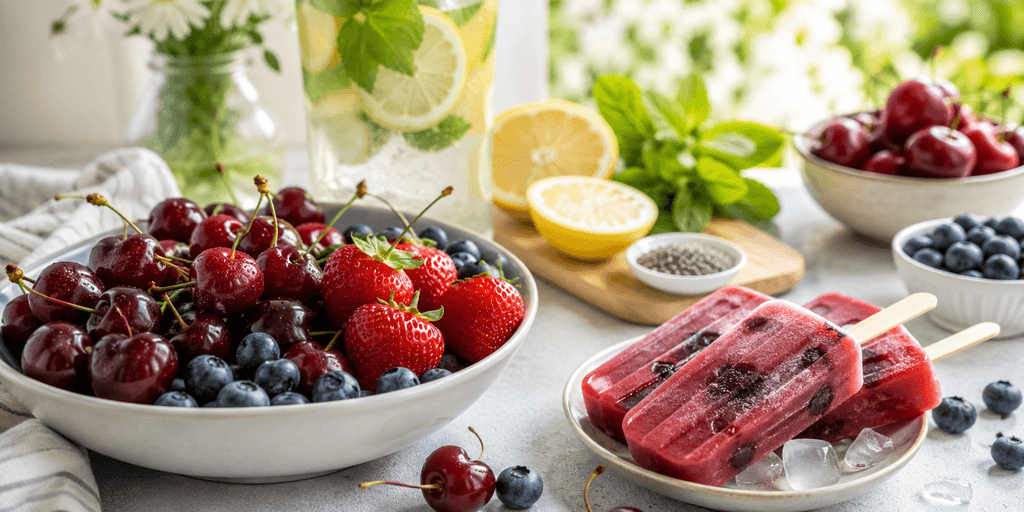
Yes. Cherries are colorful fruits that contain naturally occurring plant compounds associated with antioxidant activity. They can be one part of a varied diet that includes other fruits, vegetables, whole grains, nuts, seeds, and other nutrient-rich foods.
That does not mean eating cherries creates a dramatic or immediate wellness effect. Think of them as one useful option within a broader pattern of eating.
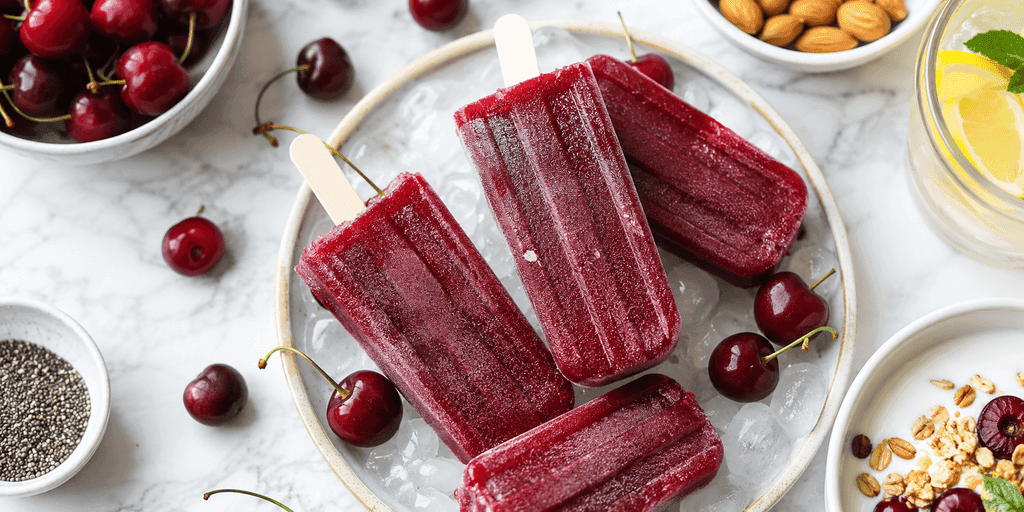
And on National Cherry Popsicle Day, it is worth making another distinction: a cherry-flavored popsicle is not necessarily nutritionally equivalent to fresh cherries.
Some frozen treats contain fruit, while others are primarily flavored sweet treats. Either can still have a place in your day. The goal is simply to understand what you are choosing rather than expecting every cherry-colored food to provide the same nutritional value.
How Can You Make Summer Treats More Balanced?
A more balanced approach does not require turning every dessert into a health food.
Instead, look at the bigger picture of your day. A favorite frozen treat can fit alongside foods and habits that provide hydration, protein, fiber, vitamins, minerals, and other nutrients.
Summer situation | A balanced option to consider | Why it may help |
|---|---|---|
You want a popsicle on a hot afternoon | Enjoy it and have water nearby | Supports hydration while still allowing room for a favorite treat |
You want something more filling | Pair fruit or a frozen treat with yogurt, nuts, or another protein source | Adds variety and substance |
You want more antioxidant-rich foods | Add cherries, berries, colorful vegetables, or other plant foods throughout the day | Helps create a varied eating pattern |
You have been outdoors for hours | Prioritize fluids, meals, shade, and rest | Summer wellness involves more than food choices |
You are trying to eat "perfectly" | Focus on consistency instead of one snack or dessert | A sustainable routine leaves room for flexibility |
Think beyond individual foods
One popsicle is unlikely to define your wellness routine in either direction.
It is often more useful to consider patterns. Are you drinking enough fluids? Are most of your meals giving you a useful mix of nutrients? Are you sleeping enough? Are you allowing your body time to recover from demanding workouts, travel, heat, or long days?
These habits may not sound as exciting as a trendy antioxidant claim, but they create the foundation that wellness products should complement rather than replace.
What Does Glutathione Do for Antioxidant Support?
Glutathione is a substance naturally present in the body that plays a role in normal antioxidant processes.
Because of that role, glutathione has become a popular topic in wellness conversations involving antioxidant support, recovery, skin wellness, oxidative stress, and general wellness optimization.
It is important to keep expectations realistic.
Glutathione should not be treated as a way to "flush toxins," completely detox the body, guarantee visible skin changes, or create guaranteed recovery results. Wellness claims can become exaggerated when a normal biological function is turned into a promise of dramatic results.
A more responsible way to think about glutathione is as one potential form of provider-guided wellness support within a much larger routine.
How Glutathione May Fit Into Provider-Guided Wellness
Provider-guided care means a licensed healthcare provider considers your health information and goals before recommending or discussing a wellness option.
If you are interested in glutathione, that conversation may include why you are considering it, what you hope to support, what medications or supplements you use, and whether there are other health considerations your provider should know about.
TRAVA is a modern telehealth and wellness brand focused on provider-guided support. Rather than treating glutathione as a one-size-fits-all wellness solution, the goal of provider review is to put treatment decisions into the context of the individual.
Your routine may also include lifestyle factors such as:
Eating a varied diet
Drinking enough fluids
Getting consistent sleep
Allowing time for recovery
Managing demanding schedules when possible
Following provider recommendations
Paying attention to how your overall wellness routine is working for you
Glutathione does not need to compete with those habits. If it is appropriate for you, it may be considered alongside them.
What to Consider Before Starting Glutathione
Interest in antioxidant support alone does not tell you whether a particular wellness option is appropriate.
Before starting glutathione, consider what you are actually hoping to accomplish. General ideas like "detox" or "feel healthier" can be difficult to evaluate because they do not define a clear goal.
Instead, a provider conversation can help you turn broad wellness interests into more useful questions.
You may want to discuss:
Your main wellness goals
Your medical history
Current medications and supplements
Other wellness treatments you use
Previous reactions or sensitivities
What realistic expectations may look like
What you should monitor or report
When follow-up may be helpful
This also gives you an opportunity to separate evidence-based guidance from exaggerated wellness marketing.
Questions to Ask Your Provider
If you are considering glutathione or another antioxidant-support option, useful questions may include:
What role could glutathione realistically play in my wellness routine?
Is there anything in my health history that affects whether it is appropriate for me?
Could any medications, supplements, or other treatments influence my options?
What should I realistically expect, and what should I not expect?
Are there side effects or reactions I should understand?
How should I evaluate whether this approach still makes sense for my goals over time?
What nutrition, hydration, sleep, or recovery habits should support my overall wellness plan?
A good provider conversation should give you more clarity, not more hype.
Glutathione, Antioxidants, and Smarter Summer Treats Without Restrictive Rules
Wellness habits tend to work better when they are realistic enough to continue.
That means you do not have to turn National Cherry Popsicle Day into a debate about whether a frozen treat is "good" or "bad." You can enjoy something you like while still making choices that support your broader routine.
For example, a summer day might include a balanced breakfast, plenty of water, a colorful lunch, some movement, a cherry popsicle in the afternoon, and a dinner that includes protein and vegetables.
Nothing about that day needs to be perfect.
The same principle applies to antioxidant support. One food will not create an entire wellness routine, and one wellness treatment should not be expected to replace the habits that support everyday health.
Common Misunderstandings About Antioxidant Support
"If antioxidants are good, more must always be better."
Wellness is rarely that simple. Antioxidant support should be viewed in the context of nutrition, health history, medications, supplements, and any treatments you are considering.
"Glutathione completely detoxes your body."
That wording oversimplifies complex biological processes. Glutathione participates in normal cellular and antioxidant functions, but broad detox promises should be approached carefully.
"Antioxidant foods cancel out less nutritious foods."
Foods do not need to cancel each other out. A more useful approach is to consider your overall eating pattern rather than using one food to compensate for another.
"A healthy routine means avoiding dessert."
A sustainable wellness routine can include foods eaten for enjoyment. Balance is built across meals and days, not through perfection at every eating occasion.
FAQs
Can I eat popsicles while trying to follow a healthy wellness routine?
Yes. A popsicle can fit into a balanced routine. Rather than judging one food in isolation, consider your overall pattern of meals, hydration, movement, sleep, and other habits. You can also choose fruit-based frozen treats when you want them, but you do not have to turn every dessert into a wellness product.
Are cherries considered an antioxidant food?
Cherries contain naturally occurring plant compounds associated with antioxidant activity. They can contribute to a varied diet that includes many different fruits and vegetables. No single fruit provides all the nutrition or antioxidant support your body needs, so variety remains important.
What is glutathione used for in wellness?
Glutathione is commonly discussed in wellness settings for antioxidant support, recovery, skin wellness, oxidative stress, and wellness optimization. It should be approached with realistic expectations. It is not a guaranteed detox treatment or a promise of visible skin or recovery results.
Does glutathione replace antioxidant-rich foods?
No. Provider-guided glutathione wellness support should not be viewed as a replacement for nutrition, hydration, sleep, recovery, or other everyday habits. If glutathione is appropriate for you, it may be one part of a broader wellness plan.
What should I ask before starting glutathione?
Ask why it may be appropriate for your goals, what realistic expectations should be, what side effects or reactions you should understand, whether your medications or health history matter, and how your provider recommends monitoring or following up.
Conclusion
National Cherry Popsicle Day can be a simple reminder that realistic wellness leaves room for enjoyment.
Antioxidant-rich foods, hydration, balanced meals, sleep, recovery, and other daily habits can all support a more complete routine. Glutathione may also be considered as part of provider-guided antioxidant support, but it should not be viewed as a shortcut, detox guarantee, or universal solution.
If you are interested in adding glutathione to your wellness routine, TRAVA can help you explore provider-guided Glutathione wellness support and discuss whether it may be appropriate for your individual goals.
Disclaimer: TRAVA is not affiliated with, Mounjaro, Ozempic, Rybelsus, Saxenda, Trulicity, Wegovy, or Zepbound. However, we do offer alternatives such as Semaglutide and Tirzepatide. Before beginning any treatment, it's essential to consult with a licensed healthcare provider to ensure the best approach for your individual health needs.
Related Posts

NAD+ for Longevity Explained Simply
News, Anti-Aging | By Our Editorial Team

NAD+ Injections: What to Expect
News, Anti-Aging | By Our Editorial Team
Recent Posts
National Lazy Mom’s Day: Energy Support for Busy Caregivers Without the Guilt
Lipo-C and Metabolic Wellness: What It Is and What to Expect
Tretinoin Purging vs. Irritation: How to Tell the Difference
Sermorelin and Sleep: Why Recovery Starts at Night
NAD+ and Brain Fog: What Wellness Seekers Should Know
Archives
September 2026
August 2026
July 2026
June 2026
May 2026
April 2026
March 2026
February 2026
January 2026
November 2025
October 2025
September 2025
August 2025
February 2025
January 2025
December 2024
November 2024
September 2024
August 2024
July 2024
June 2024
May 2024
April 2024
March 2024
February 2024
January 2024
Categories
Uncategorized
News
Weight Loss
Telehealth Weight Loss Treatment
Weight Loss Program
Anti-Aging
Metabolic Health
Home
General
Peptide Therapy
Skincare
