GLP-1's as low as $89. Get Started.
1 in 8 adults are on a GLP-1
Learn More
Our Business
Products
Menu

Glutathione Antioxidant Education: Oxidative Stress and Recovery in Plain English
Our Editorial Team
If you have been researching antioxidants, recovery, skin wellness, or proactive health routines, you may have come across glutathione. Glutathione Antioxidant Education: Oxidative Stress and Recovery in Plain English explains what oxidative stress means, why antioxidant support matters, and where glutathione may fit into a provider-guided wellness plan.
The goal is not to turn antioxidant science into something complicated. It is to help you understand the basic relationship between oxidative stress, recovery, lifestyle habits, and glutathione so you can have a more informed conversation with a healthcare provider.
Quick Answer
Glutathione is commonly discussed as part of the body's antioxidant support system. Antioxidants help the body manage oxidative stress, which can occur when reactive molecules and the body's protective defenses become unbalanced. Glutathione antioxidant education can help people understand how this fits into recovery and wellness, but glutathione should not be viewed as a guaranteed detox, skin treatment, or solution for every health concern.
Key Takeaways
Oxidative stress describes an imbalance between reactive molecules in the body and the systems that help manage them.
Antioxidants are part of the body's normal defense and maintenance processes.
Glutathione is commonly discussed in wellness settings for antioxidant support, recovery, and skin wellness.
Sleep, nutrition, hydration, movement, and stress management remain important parts of supporting recovery.
Glutathione should not be treated as a guaranteed detox treatment or a shortcut to specific cosmetic or recovery outcomes.
A qualified healthcare provider can help determine whether glutathione fits your individual wellness goals.

Why Glutathione Antioxidant Education Matters
Lorem ipsum dolor sit amet, consectetur adipiscing elit, sed do eiusmod tempor incididunt ut labore et dolore magna aliqua. Ut enim ad minim veniam, quis nostrud exercitation ullamco laboris nisi ut aliquip ex ea commodo consequat. Lorem ipsum dolor sit amet, consectetur adipiscing elit, sed do eiusmod tempor incididunt ut labore et dolore magna aliqua. Ut enim ad minim veniam, quis nostrud exercitation ullamco laboris nisi ut aliquip ex ea commodo consequat. Lorem ipsum dolor sit amet, consectetur adipiscing elit, sed do eiusmod tempor incididunt ut labore et dolore magna aliqua. Ut enim ad minim veniam, quis nostrud exercitation ullamco laboris nisi ut aliquip ex ea commodo consequat. Lorem ipsum dolor sit amet, consectetur adipiscing elit, sed do eiusmod tempor incididunt ut labore et dolore magna aliqua. Ut enim ad minim veniam, quis nostrud exercitation ullamco laboris nisi ut aliquip ex ea commodo consequat.
Header
The word "antioxidant" appears everywhere, from food packaging and skincare products to supplements and wellness services. That can make it sound as though antioxidants are a single solution for improving health.
The reality is more nuanced.
Antioxidant support is one part of a much larger picture that includes nutrition, sleep, activity, hydration, stress, medical history, and other factors. Understanding the basics can help you evaluate wellness options without expecting one nutrient, supplement, or treatment to do everything.
What is oxidative stress?
Your body is constantly carrying out normal processes that create reactive molecules. Environmental exposures and lifestyle factors may also contribute to these processes.
The body has systems that help keep those molecules under control. Oxidative stress is a general term used when the balance shifts and the body's antioxidant defenses may not fully keep pace with reactive activity.
That does not mean every period of stress, poor sleep, hard exercise, or imperfect nutrition automatically creates a medical problem. It simply helps explain why antioxidants are part of broader conversations about cellular wellness, recovery, and healthy lifestyle habits.
What does antioxidant support mean?
Antioxidants help interact with reactive molecules and are part of the body's normal protective systems.
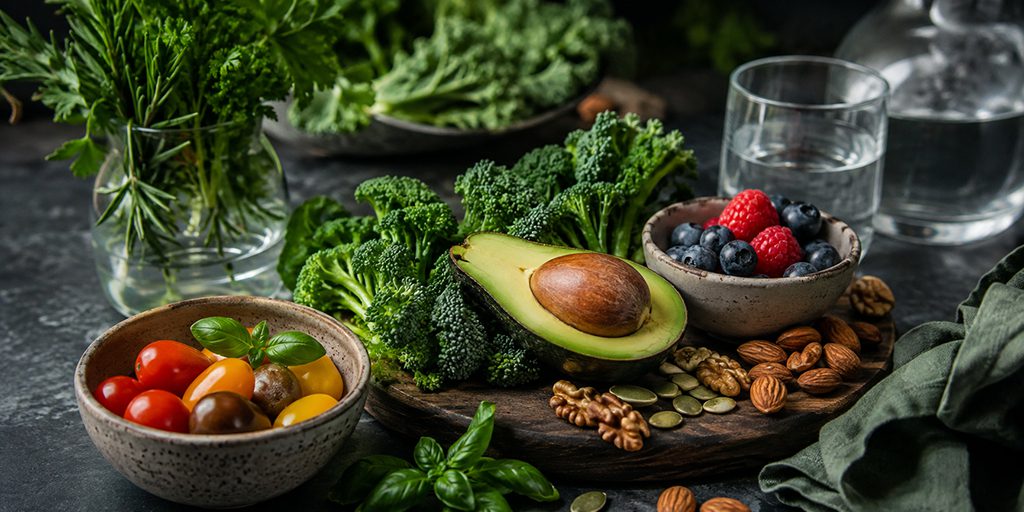
People can obtain antioxidant-related nutrients through a varied diet that includes vegetables, fruits, and other nutrient-dense foods. The body also has its own antioxidant systems.
In wellness settings, antioxidant support usually refers to habits, nutrients, or provider-guided options intended to support these normal processes. It should not be interpreted as a promise to remove toxins, prevent disease, reverse aging, or guarantee a particular physical result.

How Does Glutathione Fit Into Antioxidant Support?
Glutathione is often included in conversations about antioxidant support because of its role in the body's antioxidant defenses.
In wellness settings, people may explore glutathione because they are interested in areas such as:
General antioxidant support
Recovery-focused wellness routines
Skin wellness
Healthy lifestyle optimization
Supporting overall wellness during periods of physical or lifestyle stress
Those goals should still be approached with realistic expectations. The reason someone is interested in glutathione matters, as does their medical history, current medications, overall health, and the form of glutathione being considered.
Glutathione should not be presented as a guaranteed "detox," a skin-lightening solution, or a treatment that automatically produces visible changes. Those claims can oversimplify a much more complex topic.
How Glutathione Antioxidant Education Connects to Recovery
Recovery is not one single biological process. It includes sleep, nutrition, hydration, stress management, physical rest, and the body's ongoing maintenance systems.
That is why glutathione is better viewed as a potential component of a broader recovery conversation rather than the centerpiece of recovery itself.
For example, someone focused on recovery after regular exercise may also need to consider:
Whether they are getting enough sleep
Whether their nutrition supports their activity level
Whether they are staying adequately hydrated
Whether their exercise routine allows appropriate recovery time
Whether stress is interfering with rest
Whether an underlying health issue should be evaluated
A wellness product cannot replace those fundamentals.
How can lifestyle habits support recovery?
Daily habits often provide the foundation for recovery.
Sleep: Consistent, adequate sleep gives the body time to carry out many of its normal restoration processes.
Balanced nutrition: A varied eating pattern can provide vitamins, minerals, protein, and other nutrients involved in normal body function.
Hydration: Fluid needs vary, but regular hydration is an important part of supporting normal physical function.
Movement: Appropriate physical activity can be part of a healthy lifestyle, while recovery time helps prevent every day from becoming another high-stress training day.
Stress management: Chronic lifestyle stress can affect sleep, food choices, energy, and recovery habits. Building realistic ways to manage stress may support overall wellness.
These habits are not as attention-grabbing as the latest wellness treatment, but they remain important when evaluating any recovery plan.
How Glutathione May Fit Into Provider-Guided Wellness
Provider-guided wellness means evaluating a wellness option in the context of the individual rather than assuming the same plan is appropriate for everyone.
A provider may consider why you are interested in glutathione, what you expect from it, your current health status, medications or supplements you use, and other relevant medical information.
That conversation can also help separate reasonable wellness goals from expectations that may not be supported.
TRAVA is a modern telehealth and wellness brand focused on provider-guided support. For someone exploring glutathione, that type of approach can provide an opportunity to discuss antioxidant support and wellness goals with appropriate professional guidance rather than relying only on online trends or marketing claims.
What Should You Consider Before Starting Glutathione?
Before adding something new to your wellness routine, it helps to understand both your goal and the limitations of the option you are considering.
Ask yourself what you are actually trying to accomplish.
Are you interested in general wellness? Recovery? Skin wellness? Antioxidant support? Are you responding to something you saw on social media, or has a healthcare provider suggested exploring glutathione?
The more specific your goal is, the easier it becomes to have a useful conversation with a provider.
You should also consider your complete routine. A provider may need to know about medications, supplements, medical conditions, allergies, previous reactions, and other treatments you use.
What should you compare before choosing an option?
What to Ask | Why It Matters |
|---|---|
Why am I considering glutathione? | Helps clarify whether your expectations are realistic |
What form is being recommended? | Different wellness approaches may not be interchangeable |
Who reviews my medical information? | Provider involvement can help identify individual considerations |
What should I expect from it? | Helps separate general wellness support from guaranteed claims |
Are there reasons it may not be appropriate for me? | Individual health factors can influence wellness decisions |
What lifestyle habits should I continue? | Glutathione should not replace nutrition, sleep, hydration, or other health basics |
Why Provider Guidance Matters
Wellness treatments can sound simple when they are discussed in advertisements or short social media videos. Your health history is not simple.
A qualified healthcare provider can review information that a general article cannot evaluate for you. That may include medical conditions, medications, allergies, pregnancy-related considerations, previous treatment history, and other individual factors.
Provider guidance is particularly important when a wellness option involves administration methods, dosing decisions, medical monitoring, or interactions with other parts of your care.
Educational information can help you prepare for that conversation, but it does not replace personalized medical advice.
Questions to Ask Your Provider
If you are considering glutathione, these questions can help you have a more productive discussion:
What would be the goal of adding glutathione to my wellness plan?
Is there anything in my health history that I should consider first?
Could any of my medications or supplements affect whether glutathione is appropriate for me?
What type or form of glutathione are we discussing, and why?
What expectations would be realistic?
Are there side effects or reactions I should know about?
What nutrition, sleep, hydration, and recovery habits should I continue alongside my wellness plan?
Frequently Asked Questions
What is glutathione used for in wellness?
Glutathione is commonly discussed in wellness programs in connection with antioxidant support, recovery, skin wellness, and general wellness optimization. The appropriate role of glutathione can vary from person to person, so it is helpful to discuss your goals and health history with a qualified healthcare provider rather than assuming a particular outcome.
Does glutathione detox the body?
It is better to avoid treating "detox" as a guaranteed outcome of glutathione use. The body already has complex systems involved in processing and eliminating substances. Glutathione is associated with antioxidant processes, but that should not be translated into claims that a glutathione treatment will cleanse the body or produce specific detox results.
Can glutathione improve skin appearance?
Glutathione is sometimes discussed in relation to skin wellness, but people should be cautious about dramatic cosmetic or skin-lightening claims. Visible skin changes should not be promised. If skin health is your primary concern, discuss your goals with a provider or appropriate skincare professional who can evaluate the broader picture.
Is glutathione the same as getting antioxidants from food?
Not exactly. A balanced diet can provide a range of nutrients associated with antioxidant activity, while glutathione is one specific part of broader antioxidant-support conversations. They should not be treated as interchangeable concepts. Nutrition remains an important part of general wellness even if someone is considering additional provider-guided support.
Should everyone take glutathione?
No wellness option should automatically be assumed to be appropriate for everyone. Whether glutathione makes sense depends on individual goals, medical history, medications, other supplements, and the specific approach being considered. A qualified healthcare provider can help determine whether it deserves a place in your wellness plan.
Conclusion
Understanding glutathione starts with understanding the bigger picture.
Oxidative stress refers to an imbalance involving reactive molecules and the body's protective systems. Antioxidants are part of how the body manages those processes, and glutathione is commonly discussed as one component of antioxidant support.
That does not make glutathione a cure-all, detox shortcut, or guaranteed way to change your skin or recovery. Nutrition, sleep, hydration, movement, stress management, and appropriate medical care continue to matter.
If you are interested in antioxidant support, recovery, or skin wellness, you can learn more about TRAVA's provider-guided Glutathione wellness support and discuss whether it may fit your individual wellness goals.
Disclaimer: TRAVA is not affiliated with, Mounjaro, Ozempic, Rybelsus, Saxenda, Trulicity, Wegovy, or Zepbound. However, we do offer alternatives such as Semaglutide and Tirzepatide. Before beginning any treatment, it's essential to consult with a licensed healthcare provider to ensure the best approach for your individual health needs.
Related Posts

NAD+ for Longevity Explained Simply
News, Anti-Aging | By Our Editorial Team

NAD+ Injections: What to Expect
News, Anti-Aging | By Our Editorial Team
Recent Posts
National Lazy Mom’s Day: Energy Support for Busy Caregivers Without the Guilt
Lipo-C and Metabolic Wellness: What It Is and What to Expect
Tretinoin Purging vs. Irritation: How to Tell the Difference
Sermorelin and Sleep: Why Recovery Starts at Night
NAD+ and Brain Fog: What Wellness Seekers Should Know
Archives
September 2026
August 2026
July 2026
June 2026
May 2026
April 2026
March 2026
February 2026
January 2026
November 2025
October 2025
September 2025
August 2025
February 2025
January 2025
December 2024
November 2024
September 2024
August 2024
July 2024
June 2024
May 2024
April 2024
March 2024
February 2024
January 2024
Categories
Uncategorized
News
Weight Loss
Telehealth Weight Loss Treatment
Weight Loss Program
Anti-Aging
Metabolic Health
Home
General
Peptide Therapy
Skincare
