GLP-1's as low as $89. Get Started.
1 in 8 adults are on a GLP-1
Learn More
Our Business
Products
Menu

Antioxidant Support With Glutathione: What Blueberries Can Teach Us About Cellular Wellness
Our Editorial Team
Pick Blueberries Day is a simple reminder that colorful foods can say a lot about wellness. Antioxidant Support With Glutathione starts with understanding how foods like blueberries fit into the bigger picture of oxidative stress, cellular wellness, skin health, recovery, and provider-guided support.
Blueberries get a lot of attention because they are naturally rich in plant compounds associated with antioxidant activity. Antioxidants help the body manage oxidative stress, which happens when free radicals and the body’s natural defenses are out of balance. Glutathione is one part of the body’s own antioxidant defense system, and it may interest patients who want a more complete approach to inside-out wellness.
Why Blueberries Get So Much Wellness Attention
Blueberries are small, colorful, and easy to add to everyday meals. They also happen to be one of the foods most often connected with antioxidant-rich eating.
Their deep blue and purple color comes from plant compounds called anthocyanins. These compounds are part of why blueberries are often included in conversations about wellness, aging, recovery, and skin health.
That does not mean blueberries are magic. No single food can protect the body from every source of stress, aging, or inflammation. But they are a helpful example of how nutrition can support a larger wellness routine.
Colorful foods often contain different vitamins, minerals, fiber, and plant compounds. That is one reason many providers encourage variety instead of focusing on one “superfood.”
Antioxidant Support With Glutathione Starts With Oxidative Stress
To understand antioxidant support, it helps to understand oxidative stress in plain English.
The body naturally produces free radicals during normal processes like metabolism, exercise, immune activity, and energy production. Free radicals can also be influenced by outside factors such as pollution, smoking, alcohol, poor sleep, stress, and UV exposure.
Free radicals are not always bad. The body uses certain reactive molecules for normal cell signaling and defense. The issue is balance.
Oxidative stress happens when free radical activity becomes higher than the body’s ability to manage it. Over time, that imbalance may place stress on cells, tissues, and normal repair systems.
What Antioxidants Do
Antioxidants help neutralize free radicals and support the body’s natural balance. Some antioxidants come from food. Others are made inside the body.
Common antioxidant-supportive nutrients and compounds include:
Vitamin C
Vitamin E
Selenium
Polyphenols
Anthocyanins
Carotenoids
Glutathione
This is why colorful eating patterns are often encouraged. Different foods provide different compounds, and they may support the body in different ways.

What Blueberries Can Teach Us About Colorful Foods
Blueberries are a great example of why food color matters. Their rich color reflects the presence of anthocyanins, which are plant pigments found in blue, purple, red, and dark-colored fruits and vegetables.
Other antioxidant-rich foods include blackberries, raspberries, cherries, leafy greens, citrus fruits, tomatoes, bell peppers, cocoa, green tea, and herbs.
The goal is not to eat blueberries every day because a wellness trend says so. The better goal is to build a pattern of colorful, nutrient-dense foods that you can actually maintain.
A realistic antioxidant-focused plate may include:
A protein source
Fiber-rich carbohydrates
Healthy fats
Colorful fruits or vegetables
Plenty of water
A routine that supports sleep, movement, and stress management
Food choices matter, but they work best as part of a bigger picture.
How Glutathione Fits Into the Antioxidant Conversation
Glutathione is often called one of the body’s key internal antioxidants. Unlike antioxidants that mainly come from food, glutathione is made by the body and used inside cells.
It plays a role in antioxidant defense, detoxification pathways, cellular repair processes, and maintaining balance during oxidative stress. This is why glutathione is often discussed in wellness conversations related to skin health, recovery, aging, energy, and cellular wellness.
That said, glutathione support should be framed carefully. It is not a cure, a quick fix, or a guaranteed path to glowing skin or better recovery. It is one possible part of a provider-guided wellness plan.
Food and Glutathione Are Not the Same Thing
Eating blueberries and supporting glutathione are connected by the antioxidant conversation, but they are not identical.
Blueberries provide nutrients and plant compounds that can support a healthy eating pattern. Glutathione is part of the body’s internal antioxidant system.
Both can matter, but one does not replace the other.
Wellness Focus | Food-Based Support | Glutathione Support |
|---|---|---|
Main role | Provides nutrients, fiber, and plant compounds | Supports the body’s internal antioxidant defense system |
Common examples | Blueberries, leafy greens, citrus, colorful vegetables | Provider-guided glutathione wellness support |
Best use | Daily nutrition habits | Part of a personalized wellness plan |
What to avoid | Treating one food as a cure-all | Expecting guaranteed or instant results |
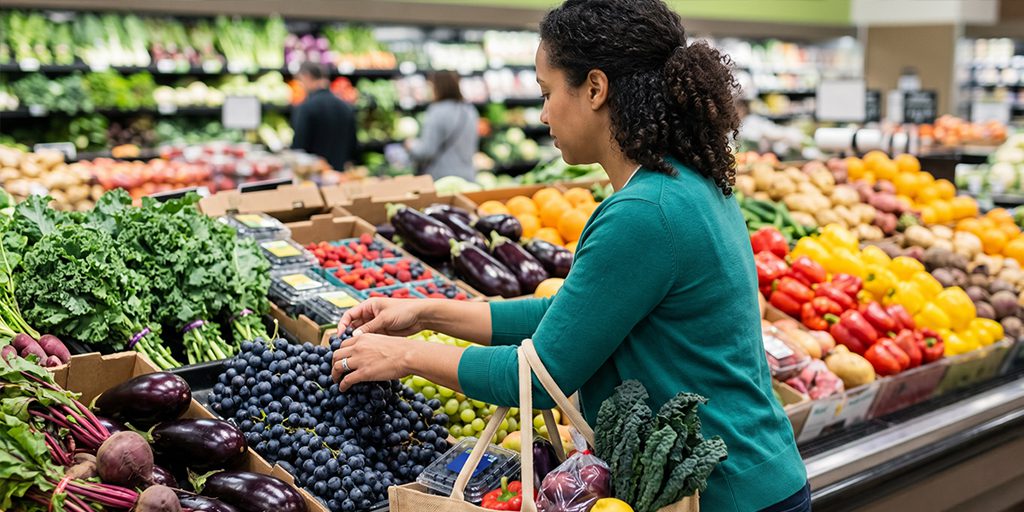
Antioxidant Support With Glutathione Should Avoid Overhyped Claims
Wellness marketing can make antioxidants sound like a shortcut. That is where people can get confused.
Antioxidants are important, but more is not always better. The body needs balance. It also needs realistic routines, not exaggerated claims.
A responsible approach avoids statements like:
“This will reverse aging”
“This will detox your body overnight”
“This guarantees glowing skin”
“This prevents disease”
“This replaces healthy eating”
A more accurate way to think about antioxidant support is that it may help support the body’s natural systems when used appropriately and consistently.
Skin, Recovery, and Inside-Out Wellness
Many people become interested in antioxidants because they want to support skin health, workout recovery, energy, or healthy aging.
Those goals are understandable. Skin, energy, and recovery are often influenced by sleep, hydration, nutrition, stress, sun exposure, movement, and overall metabolic health.
Glutathione may be part of a broader wellness conversation for patients focused on inside-out support. But expectations matter.
Provider-guided care can help patients understand what a wellness option may support, what it cannot promise, and how it fits alongside daily habits.
Why Provider Guidance Matters
Not every supplement, injection, or wellness therapy is right for every person. Health history, medications, goals, lifestyle, and current routines all matter.
This is especially important for patients who are already using other treatments or managing ongoing health concerns.
A provider-guided approach can help answer questions such as:
Is this option appropriate for my goals?
What should I expect realistically?
How does this fit with nutrition and lifestyle habits?
Are there any safety considerations?
How will we evaluate whether this plan makes sense for me?
At Trava, the goal is not to chase trends. The goal is to help patients understand wellness options clearly and build a plan that feels realistic.
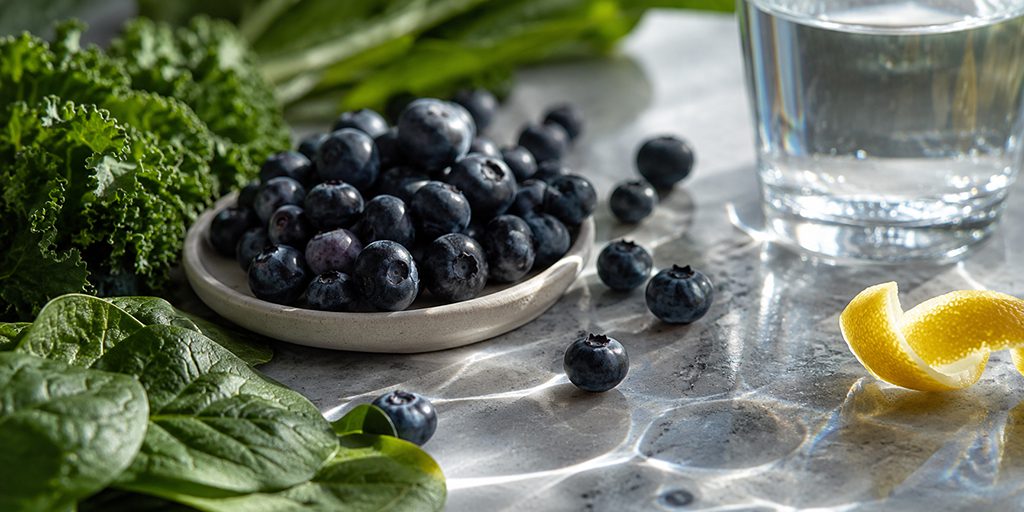
How Trava Helps Patients Think Beyond Food Trends
Pick Blueberries Day is fun, but wellness should not depend on one food, one supplement, or one headline.
Trava helps patients connect everyday habits with appropriate provider-guided options. That may include nutrition habits, lifestyle routines, metabolic health support, peptide conversations, NAD+ support, glutathione support, or other wellness-focused care when appropriate.
The key is balance.
Blueberries can be part of a healthy routine. So can movement, sleep, hydration, protein, stress management, and clinical support. The best plan is usually the one that feels realistic enough to continue.
Practical Ways to Build Antioxidant-Supportive Habits
You do not need a complicated wellness routine to start supporting your body.
A few simple steps can make a difference:
Add colorful fruits or vegetables to meals
Rotate different colors during the week
Pair carbohydrates with protein and fiber
Stay hydrated
Limit alcohol when it affects sleep or recovery
Protect skin from excessive sun exposure
Prioritize consistent sleep
Keep movement realistic and sustainable
Talk with a provider before starting new wellness treatments
The goal is not perfection. It is consistency.
FAQ
Are blueberries good for antioxidant support?
Blueberries are commonly associated with antioxidant-rich eating because they contain plant compounds such as anthocyanins. They can be a helpful part of a colorful, nutrient-dense diet. However, blueberries should not be treated as a cure or replacement for medical care, sleep, movement, hydration, or provider-guided wellness support.
What is glutathione?
Glutathione is a compound made by the body that plays a role in antioxidant defense and cellular wellness. It is involved in helping the body manage oxidative stress. Some patients are interested in glutathione support for wellness goals related to skin, recovery, healthy aging, and inside-out support.
Does glutathione replace healthy eating?
No. Glutathione support does not replace healthy eating. Food provides vitamins, minerals, fiber, and plant compounds that support overall wellness. Glutathione is part of the body’s internal antioxidant system. A balanced plan may include nutrition habits, lifestyle routines, and provider-guided options when appropriate.
Can antioxidant support improve skin health?
Antioxidant support may be part of a skin wellness routine, but it should not be framed as a guaranteed skin treatment. Skin health is influenced by hydration, sleep, nutrition, sun protection, stress, hormones, medications, and overall health. A provider can help set realistic expectations.
How do I know if glutathione support is right for me?
The best way to know is to talk with a qualified provider. They can review your goals, health history, medications, current routines, and wellness priorities. This helps determine whether glutathione support makes sense as part of a broader plan.
Conclusion
Pick Blueberries Day is a fun reminder that colorful foods can teach us a lot about antioxidant support. Blueberries are not a magic solution, but they are a useful example of how everyday choices can support a larger wellness routine.
Antioxidant Support With Glutathione is about more than one food or one treatment. It is about understanding oxidative stress, building realistic habits, and exploring provider-guided options with clear expectations.
If you are interested in antioxidant-focused wellness support, Trava can help you explore options in a way that feels personalized, balanced, and medically responsible.
Disclaimer: TRAVA is not affiliated with, Mounjaro, Ozempic, Rybelsus, Saxenda, Trulicity, Wegovy, or Zepbound. However, we do offer alternatives such as Semaglutide and Tirzepatide. Before beginning any treatment, it's essential to consult with a licensed healthcare provider to ensure the best approach for your individual health needs.
Related Posts

NAD+ for Longevity Explained Simply
News, Anti-Aging | By Our Editorial Team

NAD+ Injections: What to Expect
News, Anti-Aging | By Our Editorial Team
Recent Posts
National Lazy Mom’s Day: Energy Support for Busy Caregivers Without the Guilt
Lipo-C and Metabolic Wellness: What It Is and What to Expect
Tretinoin Purging vs. Irritation: How to Tell the Difference
Sermorelin and Sleep: Why Recovery Starts at Night
NAD+ and Brain Fog: What Wellness Seekers Should Know
Archives
September 2026
August 2026
July 2026
June 2026
May 2026
April 2026
March 2026
February 2026
January 2026
November 2025
October 2025
September 2025
August 2025
February 2025
January 2025
December 2024
November 2024
September 2024
August 2024
July 2024
June 2024
May 2024
April 2024
March 2024
February 2024
January 2024
Categories
Uncategorized
News
Weight Loss
Telehealth Weight Loss Treatment
Weight Loss Program
Anti-Aging
Metabolic Health
Home
General
Peptide Therapy
Skincare
