
For working families across Ohio, finding time for health can feel like a scheduling puzzle. Between school drop-offs in Columbus, commutes through Cleveland, and weekend routines in Cincinnati's suburbs, wellness goals often get pushed to the bottom of the list. That's exactly why telehealth has become such a practical option for Ohioans exploring GLP-1 medications for weight management and metabolic health. You don't need to rearrange your entire week to see a provider. You don't need to sit in a waiting room. You need a structured, clinician-guided path that fits your real life. Accessing GLP-1 medications in Ohio through telehealth is now a realistic, medically responsible option for people who want progress without the friction of traditional office visits. The question isn't whether it's possible. It's how to do it well.
GLP-1 Medications in OH
What Are GLP-1 Medications?
GLP-1 receptor agonists are a class of medications originally developed for type 2 diabetes management. They mimic a natural hormone called glucagon-like peptide-1, which plays a role in blood sugar regulation, appetite control, and gastric emptying. In recent years, their use has expanded significantly into weight management under clinical supervision.
The two most widely discussed GLP-1 medications are semaglutide and tirzepatide. Semaglutide works by activating GLP-1 receptors to reduce hunger and improve satiety. Tirzepatide targets both GLP-1 and GIP receptors, offering a dual mechanism that has shown strong results in clinical trials for weight reduction and metabolic improvement.
These aren't shortcuts. They're prescription medications that require medical evaluation, dosing protocols, and ongoing monitoring. That's why the provider relationship matters so much.
Why Telehealth Works for Ohio Residents
Ohio is a large state with a mix of urban centers and suburban communities. Not everyone lives within easy reach of a specialized weight management clinic. Even those in Columbus, Cleveland, or Cincinnati may find that scheduling an in-person consultation takes weeks, especially with popular providers.
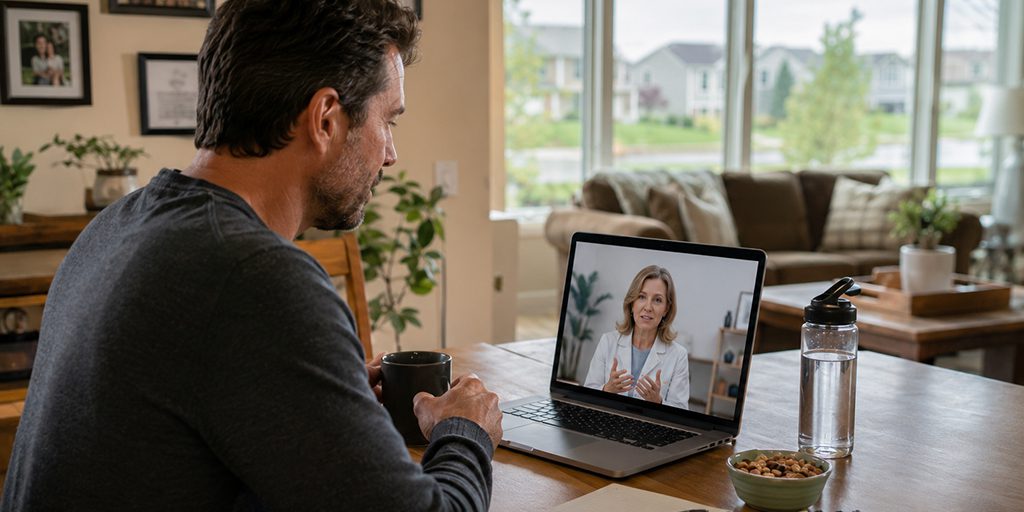
Telehealth removes that barrier. You can connect with a licensed clinician from your home, your office, or wherever you have a quiet moment. For busy professionals managing packed calendars, this format fits. For parents in suburban neighborhoods balancing kids' schedules and their own health, it's practical.
Ohio's telehealth regulations support remote prescribing when a proper patient-provider relationship is established. That means a licensed clinician can evaluate your medical history, discuss your goals, and prescribe GLP-1 therapy if it's clinically appropriate, all through a virtual visit.
Personalized Compounded GLP-1
Looking for Semaglutide or Tirzepatide? Start your free assessment now!
How the Process Typically Works
Getting started with GLP-1 therapy through telehealth in Ohio generally follows a clear sequence:
- Complete a health intake: You'll share your medical history, current medications, weight history, and health goals through a secure online form.
- Meet with a licensed clinician: A virtual consultation allows your provider to review your information, ask follow-up questions, and determine whether GLP-1 therapy is right for you.
- Receive your prescription: If approved, your medication is prescribed and shipped directly to you from a licensed pharmacy.
- Ongoing check-ins: Responsible telehealth programs include follow-up appointments to monitor your response, adjust dosing, and address any side effects.
This structure matters. A provider who prescribes without follow-up isn't offering care. They're offering a transaction. The distinction is critical for your safety and your results.
Choosing a Responsible Telehealth Provider
Not all telehealth platforms are built the same. Some prioritize speed and volume. Others prioritize clinical accountability. When you're considering GLP-1 access in Ohio, look for a few specific signals.
First, confirm that the platform uses licensed clinicians with real credentials. Ohio requires that prescribing providers hold valid state licenses. Second, check whether the pharmacy fulfilling your prescription operates under proper oversight, including batch testing and quality protocols. Third, ask about pricing transparency. Hidden fees, membership traps, and unclear refill costs are red flags.
Trava, for example, operates with licensed clinicians, direct pharmacy oversight, and straightforward pricing. Their model is built around clinical protocols and ongoing patient support, not algorithmic prescribing. Real people answer questions. Care teams stay present beyond the initial prescription. That kind of infrastructure separates responsible telehealth from the rest.
What to Expect During Treatment
Starting a GLP-1 medication involves a gradual dose escalation. Your clinician will typically begin you on a lower dose and increase it over several weeks. This approach helps minimize common side effects like nausea, which tends to improve as your body adjusts.
You should expect regular communication with your care team. Dosing adjustments, side effect management, and progress tracking are all part of responsible treatment. If something feels off, you should have a clear path to reach your provider, not a chatbot.
Weight loss with GLP-1 therapy is typically steady rather than dramatic in the first few weeks. Most patients begin to notice meaningful changes within the first two to three months. Combining medication with consistent nutrition and movement habits tends to produce the strongest outcomes.
Fitting Treatment Into Your Daily Life
One of the real advantages of telehealth-based GLP-1 therapy is how well it fits into existing routines. Medications like semaglutide are administered as a once-weekly injection, which takes about a minute. Tirzepatide follows a similar schedule. There's no daily pill regimen to remember.
For families in Ohio's suburbs, this simplicity matters. You're not adding another daily task. You're not driving to a clinic every month. Your medication arrives at your door, and your provider check-ins happen on your schedule.
This is especially relevant for people managing demanding work schedules or caregiving responsibilities. Health progress shouldn't require you to overhaul your calendar. It should work within the life you already have.
Costs and Insurance Considerations
GLP-1 medications can be expensive through traditional insurance channels. Brand-name semaglutide and tirzepatide carry high retail prices, and insurance coverage varies widely across Ohio plans. Many patients find that their insurance either doesn't cover these medications for weight management or imposes significant prior authorization hurdles.
Telehealth platforms that work with compounding pharmacies or maintain their own pharmacy partnerships can often offer more predictable pricing. Trava's approach to transparent, affordable access means you know what you're paying before you commit. No surprise add-ons. No escalating membership fees. That kind of clarity builds confidence, especially for self-pay patients or those without adequate insurance coverage.
If cost is a concern, ask your telehealth provider directly about total monthly expenses, including medication, consultations, and shipping. A trustworthy provider will give you a clear answer.

Frequently Asked Questions
Are GLP-1 medications legal to prescribe through telehealth in Ohio?
Yes. Ohio permits licensed clinicians to prescribe medications, including GLP-1 receptor agonists, through telehealth when a proper patient-provider relationship has been established. This means a virtual consultation must occur before any prescription is written. The provider must hold an active Ohio license and follow state prescribing guidelines.
How quickly can I start GLP-1 therapy through a telehealth platform?
Most patients can complete their intake and initial consultation within a few days. After clinical approval, medication is typically shipped directly to your home. The entire process from sign-up to receiving your first dose often takes less than two weeks, depending on the platform and pharmacy processing times.
What are the most common side effects of semaglutide and tirzepatide?
Nausea is the most frequently reported side effect, particularly during the early weeks of treatment and after dose increases. Other common effects include mild gastrointestinal discomfort, decreased appetite, and occasional fatigue. These side effects tend to diminish as your body adjusts to the medication. Your clinician should monitor your experience and adjust dosing as needed.
Can I use GLP-1 medications if I don't have diabetes?
Yes. While GLP-1 receptor agonists were initially developed for type 2 diabetes, several formulations are now FDA-approved specifically for chronic weight management in adults with a BMI of 30 or higher, or 27 or higher with at least one weight-related health condition. Your telehealth provider will evaluate whether you meet the clinical criteria during your consultation.
How do I know if a telehealth provider is legitimate?
Look for licensed clinicians with verifiable credentials, pharmacy partnerships with quality controls, and transparent pricing. Avoid platforms that prescribe without a consultation or that use vague language about their medical oversight. A trustworthy provider will answer your questions directly, offer clear refill and dosing communication, and maintain accessible support channels for ongoing care.
Conclusion
Ohio residents now have a practical, clinically responsible path to GLP-1 therapy without the inconvenience of traditional office visits. Whether you're in Cleveland managing a demanding career, raising a family in a Columbus suburb, or balancing multiple priorities in Cincinnati, telehealth makes this kind of care accessible on your terms.
The key is choosing a provider that treats your health with the seriousness it deserves. Trava's clinician-guided model, built on licensed providers, pharmacy oversight, and honest pricing, reflects what responsible telehealth should look like. Support doesn't end at the prescription. It's woven into every step of the process.
If you've been considering GLP-1 therapy but haven't found the right fit, take a few minutes to explore what's available through a structured telehealth program. Your schedule shouldn't be the reason your health goals stay on hold.
Disclaimer: TRAVA is not affiliated with, Mounjaro, Ozempic, Rybelsus, Saxenda, Trulicity, Wegovy, or Zepbound. However, we do offer alternatives such as Semaglutide and Tirzepatide. Before beginning any treatment, it's essential to consult with a licensed healthcare provider to ensure the best approach for your individual health needs.