
New Mexico's wide-open spaces and high desert climate create a unique backdrop for health and wellness. Whether you're in Albuquerque, Santa Fe, or Las Cruces, access to newer medical treatments can feel uneven. Rural communities face particular challenges: fewer specialists, longer drives, and limited pharmacy options. That's part of what makes a guide to GLP-1 medications in New Mexico so relevant right now. These prescriptions have changed how clinicians approach weight management and metabolic health across the country. Yet getting started with them in the Land of Enchantment involves specific considerations. From telehealth availability to desert-friendly wellness routines, your experience here won't look the same as it does in a coastal metro. Understanding the local picture helps you make informed, confident decisions about your care.
GLP-1 Medications in NM
What Are GLP-1 Medications?
GLP-1 receptor agonists are a class of prescription medications originally developed for type 2 diabetes. They mimic a natural hormone called glucagon-like peptide-1, which your body produces after eating. This hormone signals your brain to reduce appetite and tells your pancreas to release insulin more efficiently.
The two most widely discussed GLP-1 medications in 2026 are semaglutide and tirzepatide. Semaglutide, available under brand names like Ozempic and Wegovy, works on GLP-1 receptors alone. Tirzepatide, marketed as Mounjaro and Zepbound, targets both GLP-1 and GIP receptors. Both are administered as weekly injections, and both have shown significant results in clinical trials for weight reduction and blood sugar management.
These aren't diet pills. They're prescribed under clinical supervision, require ongoing monitoring, and work best alongside consistent lifestyle habits. That distinction matters, especially for people who've tried other approaches without lasting results.
Who's a Good Candidate?
GLP-1 medications are typically prescribed for adults with a BMI of 30 or higher, or a BMI of 27 or higher with at least one weight-related condition like hypertension or high cholesterol. Your clinician will review your full medical history before making a recommendation.
People managing metabolic conditions, chronic fatigue, or age-related weight gain often find these medications helpful as part of a broader care plan. They're also relevant for fitness-focused individuals working on body recomposition who've hit a plateau despite disciplined training and nutrition. The key is that a licensed provider evaluates your specific situation. No two patients respond identically.
Personalized Compounded GLP-1
Looking for Semaglutide or Tirzepatide? Start your free assessment now!
Telehealth Access Across New Mexico
Navigating Insurance and Cost
Cost is a real concern. Many insurance plans in New Mexico don't cover GLP-1 medications for weight loss, even if they cover the same drugs for diabetes. This leaves a large number of patients paying out of pocket.
Prices vary widely depending on the pharmacy, the specific medication, and whether you're using a brand-name or compounded version. Some telehealth providers offer compounded semaglutide or tirzepatide at lower price points, though you should verify that any compounding pharmacy follows FDA guidelines and quality testing protocols.
Trava's approach to pricing is straightforward: no hidden fees, no membership traps, no surprise add-ons. That kind of predictability matters when you're budgeting for a treatment that may continue for months. Ask any provider you're considering about total costs upfront, including consultations, medication, and shipping.
Building Wellness Routines in the Desert
Starting a GLP-1 medication isn't a standalone fix. It works within a broader context of daily habits. New Mexico's environment offers both advantages and challenges on that front.
The state gets over 300 days of sunshine per year. That's a genuine asset for outdoor activity. Morning walks along the Rio Grande bosque in Albuquerque, hiking the Sangre de Cristo foothills near Santa Fe, or evening strolls in Las Cruces all provide low-impact exercise that complements GLP-1 therapy. Movement doesn't need to mean a gym membership.
Hydration deserves extra attention. The high desert climate and elevation accelerate fluid loss, and GLP-1 medications can sometimes cause nausea or digestive changes that make dehydration worse. Carry water consistently. Electrolyte supplementation is worth discussing with your provider, particularly during summer months.
Nutrition also shifts when you're on these medications. Reduced appetite means every meal counts more. Focus on protein-rich foods, vegetables, and healthy fats rather than calorie-dense but nutrient-poor options. Many patients find meal prepping helpful, especially during the first few weeks when appetite changes feel most dramatic.
What to Expect During Treatment
The first month on a GLP-1 medication involves a titration period. Your dose starts low and increases gradually. This approach minimizes side effects and lets your body adjust.
Common side effects include nausea, constipation, and mild fatigue. Most patients report these symptoms ease within two to four weeks. Your clinician should check in regularly during this period, adjusting your plan as needed.
Progress varies. Some people notice appetite changes within days. Others take several weeks to see measurable weight loss. Consistency with your medication schedule, hydration, and nutrition makes a significant difference. Expect a marathon, not a sprint.
Choosing a Provider in New Mexico
Not every telehealth company operates with the same standards. Here's what to look for:
- Licensed clinicians who review your medical history before prescribing
- Pharmacy oversight with quality controls and batch testing
- Clear pricing with no hidden fees or auto-enrollment traps
- Responsive support from real people, not chatbots
- Follow-up protocols that include dosage adjustments and ongoing check-ins
Trava checks these boxes with a care model built around medical accountability and patient support. Their team includes real clinicians who answer questions and stay involved beyond the initial prescription. That level of engagement is particularly valuable for first-time patients who aren't sure what to expect.

Frequently Asked Questions
Can I get GLP-1 medications through telehealth in New Mexico?
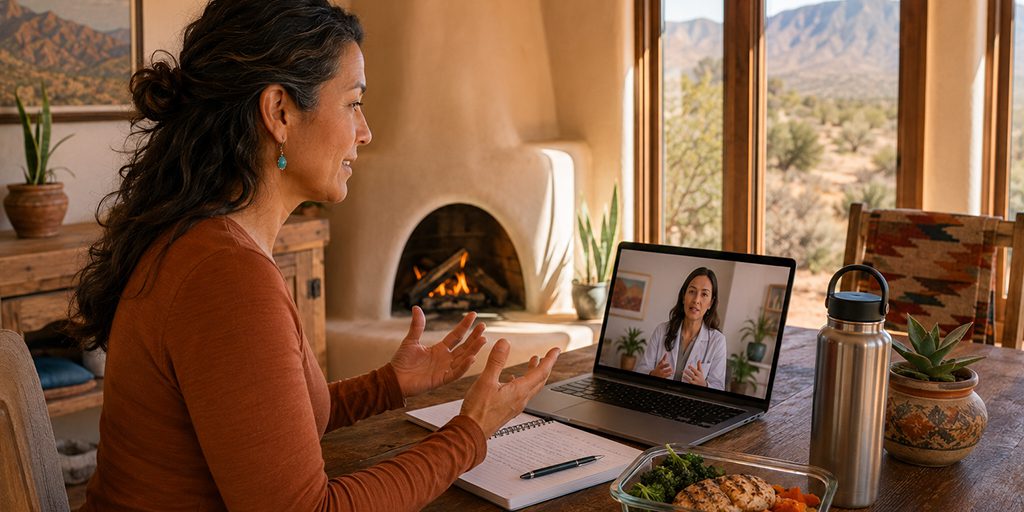
Yes. New Mexico permits licensed telehealth providers to prescribe GLP-1 medications after a clinical evaluation. You don't need an in-person visit to start treatment. Providers assess your medical history, current health status, and goals through a virtual consultation. Medications are then shipped from a licensed pharmacy directly to your address. This is especially helpful for residents in rural areas far from specialty clinics.
How much do GLP-1 medications cost without insurance in New Mexico?
Out-of-pocket costs depend on the specific medication and provider. Brand-name semaglutide or tirzepatide can run over $1,000 per month without insurance. Compounded versions, available through certain telehealth platforms, are often significantly less expensive. Always confirm that compounding pharmacies meet quality and safety standards. Providers like Trava offer transparent pricing so you know your total cost before committing.
Are there side effects I should know about?
The most common side effects are gastrointestinal: nausea, constipation, diarrhea, and occasional bloating. These tend to be most noticeable during the dose titration phase and typically improve within a few weeks. Serious side effects are rare but can include pancreatitis or gallbladder issues. Report any unusual symptoms to your provider promptly. Staying hydrated and eating smaller, protein-focused meals can help manage early discomfort.
How long do I need to take GLP-1 medications?
Treatment duration varies by individual. Many patients use GLP-1 medications for six months to a year or longer. Some clinicians recommend ongoing use if the benefits outweigh the risks. Stopping the medication can lead to weight regain if lifestyle habits aren't maintained. Your provider should discuss a long-term plan with you, including strategies for sustaining results if you eventually discontinue.
Do I need to exercise while on a GLP-1 medication?
Exercise isn't strictly required for the medication to work, but it significantly improves outcomes. Physical activity supports muscle retention, cardiovascular health, and metabolic function. In New Mexico, the climate is well suited for year-round outdoor movement. Even 20 to 30 minutes of daily walking can make a measurable difference. Your clinician can help you build a realistic activity plan that fits your schedule and fitness level.
Conclusion
GLP-1 medications represent a meaningful option for New Mexico residents working toward better metabolic health and sustained weight management. The state's rural geography and limited specialist access once made these treatments harder to reach. Telehealth has changed that equation.
Whether you're in a metro area or a small town hours from the nearest clinic, clinician-guided virtual care puts treatment within reach. Providers like Trava combine licensed medical oversight, pharmacy quality controls, and honest pricing into a structured experience designed for long-term progress. That's the kind of accountability that builds trust.
If you've been considering GLP-1 therapy, start by scheduling a consultation with a licensed provider who can evaluate your health history and goals. Ask direct questions about costs, support, and follow-up care. You deserve clear answers and a plan that fits your life in New Mexico.
Disclaimer: TRAVA is not affiliated with, Mounjaro, Ozempic, Rybelsus, Saxenda, Trulicity, Wegovy, or Zepbound. However, we do offer alternatives such as Semaglutide and Tirzepatide. Before beginning any treatment, it's essential to consult with a licensed healthcare provider to ensure the best approach for your individual health needs.