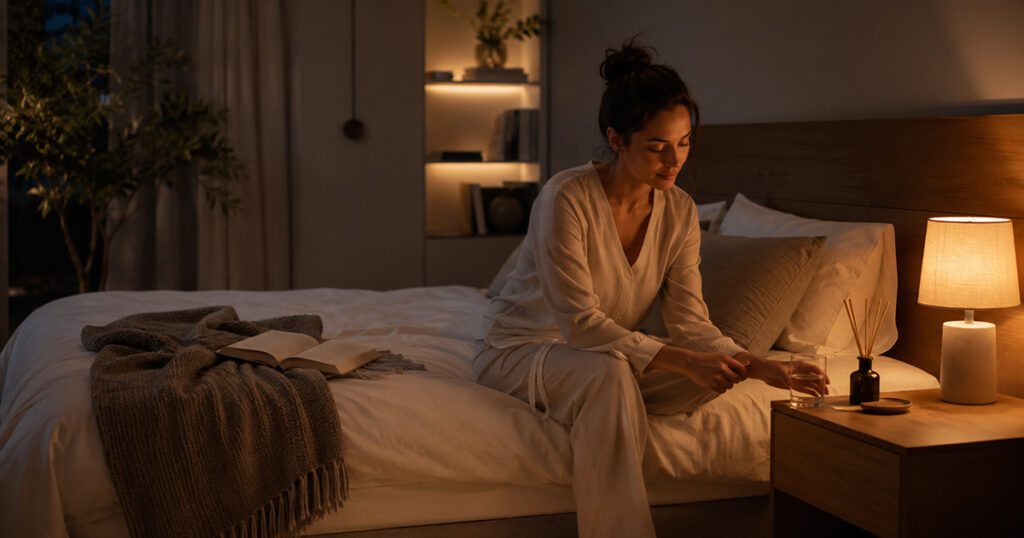
National Sleepy Head Day is a lighthearted reminder of something that matters year-round: sleep is one of the foundations of recovery, healthy aging, and overall wellness. If you have been researching sermorelin support, you may be wondering how sleep, recovery routines, and provider-guided peptide therapy all fit together.
Sermorelin Support: Sleep, Recovery, and What to Ask Your Provider is about understanding the connection without overpromising the outcome. Sermorelin is sometimes discussed as part of age-related wellness support, but it is not a shortcut around healthy sleep habits, consistent routines, nutrition, stress management, or medical guidance.
Quick Answer
Sleep and recovery are closely connected to sermorelin support because the body’s natural repair processes depend on consistent rest, nutrition, movement, and stress regulation. Sermorelin is a provider-guided peptide therapy sometimes discussed in age-related wellness conversations, but it should not be viewed as a guaranteed sleep solution or replacement for healthy routines. A licensed provider can help determine whether it fits your goals, health history, and expectations.
Key Takeaways
- Sermorelin support is a provider-guided wellness option that may be discussed for recovery, sleep-related wellness goals, and healthy aging support.
- Sleep habits still matter. Sermorelin is not a substitute for a consistent bedtime routine, stress management, movement, and balanced nutrition.
- Results and timelines can vary, and no outcome should be assumed or guaranteed.
- A provider should review your health history, medications, goals, and expectations before you consider sermorelin.
- Recovery is not one single treatment. It is a combination of rest, routine, nutrition, activity, and follow-up care.
- TRAVA offers provider-guided wellness options for adults who want education, structure, and medical oversight.
Personalized Compounded Sermorelin
Looking for peptide therapy? Start your free assessment now!
Why Sleep Is Central to Recovery
Sleep is one of the body’s most important recovery windows. It supports many everyday functions, including energy regulation, mood, appetite patterns, immune function, and how well you feel after physical activity or a stressful week.
When sleep is inconsistent, recovery can feel harder. You may notice lower motivation, more cravings, poor focus, slower workout recovery, or a general sense that your body is not bouncing back the way it used to. These issues can have many causes, which is why it is important not to assume one treatment is the answer.
Good sleep is not just about the number of hours you spend in bed. Quality matters too. A person who sleeps eight hours but wakes often may not feel as restored as someone who gets a steady, consistent night of rest.
That is why recovery-focused wellness plans often begin with the basics. Before adding any provider-guided therapy, it helps to look at your daily habits, schedule, stress level, nutrition, alcohol intake, caffeine timing, movement routine, and evening screen use.
What Sermorelin Support Means
Sermorelin is a peptide therapy that may be discussed with a licensed provider as part of age-related wellness support. In general terms, peptides are short chains of amino acids that can play signaling roles in the body. Sermorelin is commonly associated with wellness conversations around recovery, sleep routines, and healthy aging goals.
That does not mean sermorelin guarantees better sleep, faster recovery, hormone changes, body composition changes, or anti-aging results. It also does not mean it is appropriate for everyone.
Provider-guided sermorelin support means a licensed provider evaluates whether this type of therapy may make sense based on your personal health history, symptoms, wellness goals, medications, lifestyle, and risk factors. It also means expectations should be realistic and follow-up should be part of the process.
TRAVA is a modern telehealth and wellness brand focused on provider-guided support. Through telehealth, adults can connect with qualified providers online to discuss wellness goals, eligibility, safety considerations, and possible next steps.

Is Sermorelin Related to Sleep or Recovery?
Sermorelin is often discussed in the same wellness category as sleep, recovery, and healthy aging because these areas can overlap. People interested in sermorelin may be asking questions such as:
- Why do I feel less recovered than I used to?
- Why does my sleep not feel restorative?
- What can I do to support healthy aging?
- Are my habits helping or working against my recovery?
- Should I talk to a provider about age-related wellness options?
These are fair questions. However, it is important to separate association from promise. Sermorelin may be part of a provider-guided conversation, but it should not be framed as a guaranteed fix for sleep or recovery.
Sleep can be affected by stress, nutrition, alcohol, caffeine, hormones, medications, work schedule, sleep apnea, anxiety, pain, and other health factors. Recovery can also be affected by training intensity, protein intake, hydration, inflammation, and overall lifestyle.
A provider can help look at the bigger picture instead of focusing on one therapy alone.
How Recovery Habits and Provider-Guided Support Work Together
Recovery works best when the basics are in place. A provider-guided option may support a broader wellness plan, but the daily habits still carry a lot of weight.
Build a More Consistent Sleep Routine
A consistent bedtime and wake time can help your body settle into a rhythm. This does not mean every night has to be perfect. It means your routine should be steady enough that your body knows when to wind down.
Helpful sleep habits may include:
- Keeping a regular sleep schedule
- Reducing bright screens before bed
- Creating a cooler, darker sleep environment
- Avoiding heavy meals too close to bedtime
- Limiting caffeine later in the day
- Giving yourself a quiet transition period before sleep
These habits may sound simple, but consistency often matters more than complexity.
Support Recovery With Protein and Balanced Nutrition
Your body needs building blocks to recover. Protein, fiber-rich carbohydrates, healthy fats, hydration, and micronutrients all play a role in how you feel day to day.
A recovery-focused routine does not have to be extreme. For many adults, a practical plan may include protein at each meal, enough fluids, balanced meals, and fewer late-night choices that interfere with sleep.
Use Movement Without Overtraining
Movement supports circulation, metabolic health, mood, and sleep quality for many people. But more is not always better. If you are constantly pushing your body without rest, recovery can suffer.
A balanced routine may include walking, strength training, mobility work, and rest days. If you feel unusually fatigued, sore, or run down, it may be worth reviewing your routine with a provider or qualified fitness professional.
Manage Stress as Part of Recovery
Stress can affect sleep, appetite, energy, and how rested you feel. Recovery is not only physical. It is also mental and emotional.
Simple stress support habits may include breathing exercises, journaling, quiet time, light evening stretching, outdoor walks, or setting boundaries around work and screen time. These habits are not dramatic, but they can help create a more recovery-friendly routine.

Sermorelin Support vs. Sleep Habits: What Each One Supports
Sermorelin support and sleep habits are not the same thing. They may be discussed together, but they serve different roles in a wellness plan.
| Area | Sleep and Recovery Habits | Sermorelin Support |
|---|---|---|
| Main role | Helps create a foundation for rest, energy, and daily recovery | May be considered as a provider-guided wellness option |
| Access | Can be started with lifestyle changes | Requires provider evaluation |
| Expectations | Supports better routine consistency over time | Outcomes vary and should not be guaranteed |
| Best use | Daily foundation for recovery and wellness | Possible part of a broader provider-guided plan |
| Important caution | Sleep issues may have medical causes | Not appropriate for everyone and requires medical oversight |
The goal is not to choose between healthy habits and provider-guided care. The stronger approach is to understand how they may work together when appropriate.
Who Might Ask a Provider About Sermorelin Support?
Adults who are interested in recovery, healthy aging, sleep routines, and longevity wellness may ask a provider about sermorelin support. This does not mean they will qualify or that it will be the right option.
A person may want to ask about sermorelin if they are:
- Interested in provider-guided age-related wellness support
- Feeling less recovered despite trying to improve their routine
- Looking for a structured conversation about sleep and recovery
- Curious about peptide therapy but wants medical guidance
- Interested in a broader wellness plan that includes lifestyle review and follow-up
A provider may also help identify when a different approach is more appropriate. For example, sleep issues may require evaluation for stress, medication effects, sleep apnea, hormone concerns, nutrition gaps, or other medical factors.
Why Provider Guidance Matters
Sermorelin is not a casual wellness add-on. Like other provider-guided therapies, it should be reviewed with your health history in mind.
A licensed provider may ask about:
- Your current sleep patterns
- Your recovery goals
- Your medical history
- Medications or supplements you use
- Prior lab work or symptoms
- Lifestyle habits
- Possible side effects or risks
- Whether another evaluation is needed first
This is especially important because symptoms like fatigue, poor sleep, low motivation, or slow recovery can come from many different causes. A provider-guided approach helps avoid guessing.
Telehealth can make that conversation more convenient, but it should still be medically responsible. Online wellness care should include review, eligibility guidance, realistic expectations, and follow-up when appropriate.
What to Ask Your Provider About Sermorelin
Before starting sermorelin or any provider-guided wellness therapy, it helps to come prepared. The best questions are specific, practical, and focused on safety.
Consider asking:
- Am I a good candidate for sermorelin support based on my health history?
- What goals would be realistic for me?
- Are there any medical conditions, medications, or symptoms that could affect my eligibility?
- What side effects or concerns should I understand before starting?
- How would my progress be monitored over time?
- What sleep, nutrition, movement, or stress habits should support my plan?
- How will we know if this option is not the right fit for me?
These questions help keep the conversation grounded. They also make it easier to understand whether sermorelin belongs in your plan or whether another path may make more sense.
Common Misunderstandings About Sermorelin Support
Misunderstanding 1: Sermorelin replaces healthy sleep habits
It does not. Healthy routines still matter. Sleep quality, bedtime consistency, nutrition, movement, and stress management remain important parts of recovery.
Misunderstanding 2: Sermorelin guarantees better sleep or recovery
No outcome should be guaranteed. People respond differently, and many factors can affect sleep and recovery.
Misunderstanding 3: Sermorelin is only for fitness transformation goals
TRAVA’s approach to sermorelin support should not be framed around bodybuilding, dramatic transformations, or unrealistic before-and-after claims. The more responsible conversation is about provider-guided wellness, recovery routines, and realistic expectations.
Misunderstanding 4: If you feel tired, sermorelin is automatically the answer
Fatigue and poor recovery can have many causes. A provider can help determine whether additional evaluation, lifestyle changes, or another option may be more appropriate.
FAQs
What is sermorelin support?
Sermorelin support refers to provider-guided care that may include a discussion of sermorelin as part of a broader wellness plan. It is commonly associated with age-related wellness, recovery, and sleep-related conversations. It should be reviewed by a licensed provider and should not be presented as a guaranteed solution.
Does sermorelin help with sleep?
Sermorelin is often discussed alongside sleep and recovery, but it should not be described as a guaranteed sleep treatment. Sleep quality depends on many factors, including routine, stress, medications, alcohol, caffeine, sleep disorders, and overall health. A provider can help evaluate what may be affecting your sleep.
Do I still need healthy habits if I use sermorelin?
Yes. Healthy habits remain important. Sermorelin support, when appropriate, should be considered part of a broader provider-guided plan. Sleep consistency, nutrition, movement, hydration, stress management, and follow-up care still matter.
Who should not use sermorelin?
Sermorelin may not be appropriate for everyone. Your provider should review your health history, medications, symptoms, goals, and possible risks before discussing whether it may fit your plan. If you have unresolved symptoms or medical concerns, your provider may recommend additional evaluation first.
How do I talk to a provider about sermorelin?
Start by explaining your main goals, such as recovery, sleep quality, healthy aging support, or overall wellness. Share your current routine, medical history, medications, and any symptoms you are experiencing. Then ask what options may be appropriate, what expectations are realistic, and how follow-up would work.
Conclusion
National Sleepy Head Day is a simple reminder that recovery starts with rest. If you are exploring sermorelin support, the most responsible approach is to view it as one possible part of a broader wellness conversation, not a shortcut or guaranteed solution.
Sleep routines, nutrition, movement, stress management, and provider guidance all matter. A licensed provider can help you understand whether sermorelin makes sense for your health history, goals, and expectations.
TRAVA offers provider-guided wellness options for adults interested in recovery, healthy aging support, and practical next steps. If you are curious about sermorelin or other wellness options, you can start with an online consultation and have a medically guided conversation about what may be appropriate for you.
Disclaimer: TRAVA is not affiliated with, Mounjaro, Ozempic, Rybelsus, Saxenda, Trulicity, Wegovy, or Zepbound. However, we do offer alternatives such as Semaglutide and Tirzepatide. Before beginning any treatment, it's essential to consult with a licensed healthcare provider to ensure the best approach for your individual health needs.